What to Know About South Carolina Bar Owner Liability
Did you know that a single overserved drink can expose a South Carolina bar owner to million-dollar lawsuits? Most bar owners don’t realize the sheer magnitude of risk that comes with every cocktail poured across the counter. In South Carolina, where state law holds bars and restaurants to strict standards, one lapse in judgment—or one poorly trained server—can spell disaster, both legally and financially. This article delivers everything you need to know about South Carolina bar owner liability, from dram shop regulations to new insurance mandates, ensuring you’re not caught off guard by the industry’s evolving landscape.
“Did you know that a single overserved drink can expose a South Carolina bar owner to million-dollar lawsuits?” – industry expert on liquor liability
A Surprising Reality: Bar Owner Liability in South Carolina
If you own or run a bar in South Carolina, understanding your liability isn’t just good business—it’s a necessity for survival. Many bar owners underestimate the breadth of their legal responsibilities, especially when it comes to how they serve alcohol and supervise their staff. The reality is that South Carolina’s dramatic shifts in liquor liability law can leave even seasoned operators unprepared. Whether you serve alcohol in a bustling downtown, a rural tavern, or a trendy rooftop lounge, your exposure to personal injury lawsuits, dram shop claims, and insurance costs is higher than ever before. Lawsuits from accidents involving drunk drivers or overserved patrons can quickly spiral into multi-million-dollar legal battles, making comprehensive liquor liability insurance and strict compliance crucial.
So, what exactly are the core elements of bar owner liability in the state? Liability in South Carolina goes beyond serving responsibly; it encompasses insurance compliance, staff training protocols, adherence to evolving statutes like South Carolina Code 61-2-145, and maintaining vigilant operational standards. In a state where legislative changes in 2017, championed by Henry McMaster and others, transformed liquor liability expectations, every bar owner must keep pace—not only to protect themselves from legal jeopardy but also to create a safer environment for patrons and communities alike.

What You’ll Learn About South Carolina Bar Owner Liability
- Understanding dram shop and alcohol server liabilities
- Navigating liquor liability insurance requirements
- Examining server training obligations
- Exploring recent changes to South Carolina liquor laws
- Tips to minimize risk as a bar owner
The Foundation: What to Know About South Carolina Bar Owner Liability
Core Principles of Bar Owner Liability in South Carolina
At the heart of what to know about South Carolina bar owner liability are the principles that have shaped the industry for decades. South Carolina’s dram shop laws, which impose responsibility on entities that serve alcohol to clearly intoxicated individuals, have roots dating back to concerns over drunk driving and public safety. The historical background is rooted in recognizing the power—and risk—bars and restaurants wield in shaping social behaviors and, by extension, impacting public health and safety. As a law firm specializing in hospitality cases would warn, the connection between serving alcohol and catastrophic real-world consequences shapes both civil liability claims and state regulations.
Practically, this means that bars and restaurants are not simply service providers; they are potential gatekeepers whose decisions can have life-altering ramifications for patrons, innocent bystanders, and business owners alike. The South Carolina Code stipulates that serving alcohol to someone who is noticeably intoxicated or underage can render a business owner liable for actual damages resulting from subsequent accidents or injuries. This extends beyond the physical premises; liability can follow a patron out the door, creating ongoing risk after each drink poured. As such, understanding the role of the establishment, their staff, and their responsibility in preventing accidents is fundamental to limiting exposure in a litigious climate.
- Historical background of dram shop laws
- Role of bars and restaurants in liability cases
- Relationship between serving alcohol and legal risk

Decoding Dram Shop Laws and Liquor Liability
How Dram Shop Laws Affect South Carolina Bars
Dram shop laws are among the most significant factors shaping what to know about South Carolina bar owner liability. At their core, these laws create tangible consequences for businesses serving alcohol who fail to prevent overconsumption, underage drinking, or service to already intoxicated patrons. In South Carolina, the courts have enforced these standards in both criminal and civil domains, making it clear that ignorance is no defense. For example, if a personal injury attorney can prove that a South Carolina bar contributed to a drunk driver’s access to alcohol or ignored evidence of intoxication, liability for subsequent damages (sometimes in the millions) can be assigned directly to the establishment.
Real-life dram shop cases underscore how alcohol server responsibility is more than a theoretical concern. Think of the bar staff member who does not verify an ID with a proper ID scanner or fails to recognize the signs of intoxication—this oversight could mean the difference between safe service and a catastrophic drunk driving incident, for which the bar owner will be held accountable. This is why insurance burden, rigorous server training, and a deep understanding of dram shop law are woven into every successful operation in South Carolina. Today’s business owners must navigate these challenges daily, ensuring every server understands both their authority and duty when it comes to serving alcohol responsibly.
- Definition and significance of dram shop
- Examples of dram shop cases in South Carolina
- How alcohol server responsibility is enforced
For a deeper dive into the specifics of liquor liability insurance requirements and how they impact your business, you can explore the comprehensive guide on South Carolina liquor liability insurance policies. This resource breaks down coverage options, legal obligations, and practical steps for bar owners to stay compliant and protected.
The Costly Side: Liquor Liability Insurance and Its Implications
Why Liquor Liability Insurance Is Crucial for South Carolina Bar Owners
Getting liquor liability insurance is not just a recommendation for South Carolina bar owners—it’s an operational imperative. Most people don’t realize that the financial risks associated with serving alcohol can easily exceed the value of the business itself. Standard liability insurance often does not cover claims arising from alcohol-related incidents, hence the need for a specialized liquor liability policy. This insurance helps protect bars and restaurants from claims of personal injury, property damage, and suits connected to the actions of intoxicated patrons. Recent years have seen a sharp increase in insurance costs due to rising lawsuit frequency, large payouts from incidents involving drunk drivers, and ongoing legal changes.
South Carolina is one of the few states to mandate a million in liquor liability coverage for bar owners, making the region’s insurance requirements among the strictest in the nation. State regulations now stipulate exact coverage minimums and conditions, reflecting lawmakers’ recognition of the real and present dangers in alcohol service. For bar owners, failing to secure comprehensive liability insurance is not only a legal misstep but a potentially ruinous financial oversight. Protecting your business starts with understanding exactly what your policy covers, comparing standard liability with dedicated liquor liability insurance, and staying up to date with evolving legislative demands.
| Policy Type | What It Covers | Typical Requirements | Exclusions |
|---|---|---|---|
| Standard Liability Insurance | General slip-and-fall, property damage, non-alcohol-related injury claims | Not usually required for serving alcohol | Alcohol-related claims, overserving, drunk driving |
| Liquor Liability Insurance | Alcohol-related lawsuits, third-party damages (e.g., drunk driver injuries), dram shop liability | Often required for liquor license in South Carolina (minimum $1 million coverage) | Intentional acts outside legal compliance |
“Every bar and restaurant owner in South Carolina should understand that liquor liability insurance isn’t just smart—it’s often required by law.”
Server Training Requirements: Preventing Drunk Driving and Legal Trouble
How Proper Alcohol Server Training Mitigates Bar Owner Risk
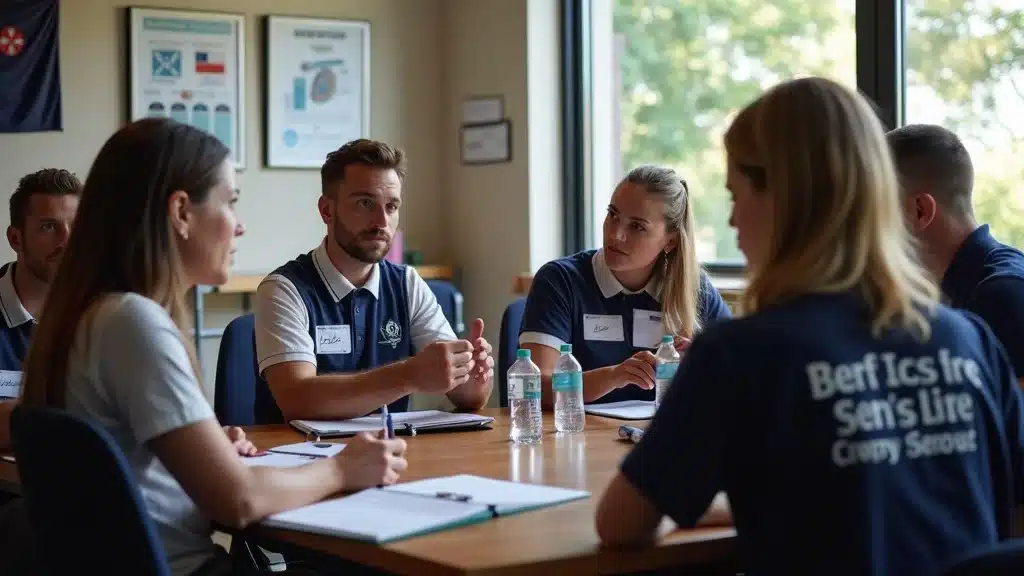
Robust server training isn’t just another task on a checklist; it’s one of the most effective ways to limit bar owner liability in South Carolina. Training ensures that all staff, from novice servers to seasoned bartenders, understand the signs of intoxication, legal duties for checking identification, and the non-negotiable importance of complying with South Carolina law. Alcohol server training mandates, embedded in both state law and industry best practices, are preventative tools—helping to intercept potential infractions before they escalate into personal injury lawsuits or worst-case drunk driving incidents. Regular, ongoing alcohol server training arms your staff with the confidence and knowledge needed to refuse service when appropriate, handle difficult situations with tact, and document interactions if questions about due diligence arise.
The impact of high-quality, repeated server training is far-reaching. Not only does it reduce legal risk for businesses serving alcohol, but it pays dividends by creating a safer bar environment and reassuring patrons, regulators, and insurers alike. Programs such as TIPS or ServSafe, which focus on the specifics of South Carolina’s laws, reinforce a culture of compliance. For any business owner, an investment in training is an investment in peace of mind, lower insurance premiums, and a reputation for responsible alcohol service. As South Carolina continues to tighten dram shop enforcement and insurance standards, training is the first—and sometimes last—line of defense against catastrophic claims.
- Overview of server training and alcohol server training mandates
- Best practices for serving alcohol responsibly
- Impact of training on liability claims and drunk driving incidents
“Investing in server training is one of the best defenses against costly litigation.”
Navigating the Law: Recent Changes and Key Issues for Carolina Bars
Understanding the New Liquor Liability Law in South Carolina
In the last few years, South Carolina has introduced new liquor liability law provisions that fundamentally change how bars and restaurants must operate. Notably, the requirement for every bar with a liquor license to carry at least one million dollars in liquor liability insurance has set an industry standard. These updates compel owners to rethink their compliance strategies and insurance protections. Lawmakers tightened these laws in response to increasing personal injury litigation and public safety concerns, particularly those stemming from drunk driving incidents but also encompassing broader dram shop claims. The changes, anchored in statutes like South Carolina Code 61-2-145, reflect the state’s intention to protect both the public and responsible business owners who serve alcohol within the law’s boundaries.
As a result, South Carolina bars must adapt by reassessing their insurance, intensifying server training, and reviewing their service policies in light of these new obligations. Adherence is no longer optional; compliance with million in liquor liability coverage and consistent staff education have become legal and financial necessities. In short, staying current on liquor liability law is the best shield against unforeseen penalties, suspension of liquor licenses, or expensive lawsuits related to alcohol service gone awry. By proactively updating policies and training, bar owners can maintain their good standing and reduce their exposure in an environment marked by regulatory change.
- Summary of updated legal requirements for bars
- How south carolina bars are adapting to new million in liquor liability standards
- Key points to know for compliance
Watch a short explainer on South Carolina’s updated liquor liability laws
Risk Factors Unique to South Carolina Bars and Restaurants
- Local regulations impacting liability
- Specific challenges for South Carolina establishments
- Role of environment and event types in liability exposure
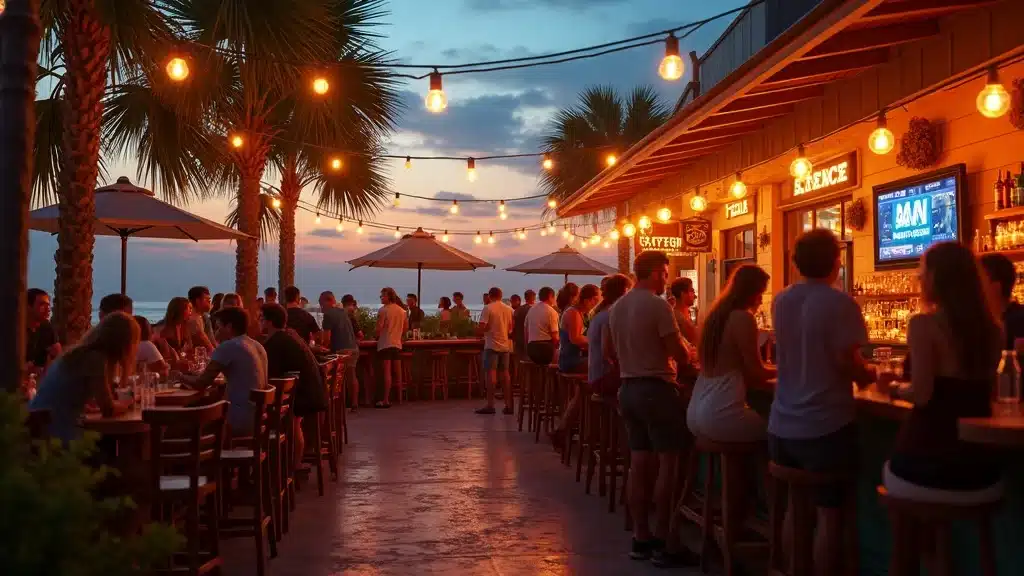
Every bar and restaurant in South Carolina operates amid a unique risk environment defined by local regulations, event-specific exposures, and a climate of heightened general liability. Towns and counties may impose requirements beyond state standards regarding physical security (such as use of ID scanners), the presence of security staff during events, or even hours during which alcohol can be sold. Establishments hosting large events or featuring live entertainment face added scrutiny: environments where alcohol flows freely and crowds become difficult to monitor often experience more legal complications. Event wristbands, strict age verification, and extra security at entrances are becoming industry norms for good reason.
Beyond official statutes, the role of the physical environment—including patio bars, beachfront locations, or venues with open-air layouts—contributes to both the perception and reality of risk. Every unique challenge, from patrons moving easily between indoor and outdoor areas to quick-changes in crowd size, can present new risks for overserving or failing to maintain effective controls. By recognizing and actively managing these factors, bar owners can significantly reduce their exposure and respond quickly to changing legal expectations in the ever-evolving South Carolina hospitality landscape.
Expert Tips: Managing and Reducing Liquor Liability Exposure
- Obtain sufficient liquor liability insurance
- Implement ongoing server training programs
- Monitor alcohol server compliance
- Develop clear serving alcohol and intoxication cutoff policies
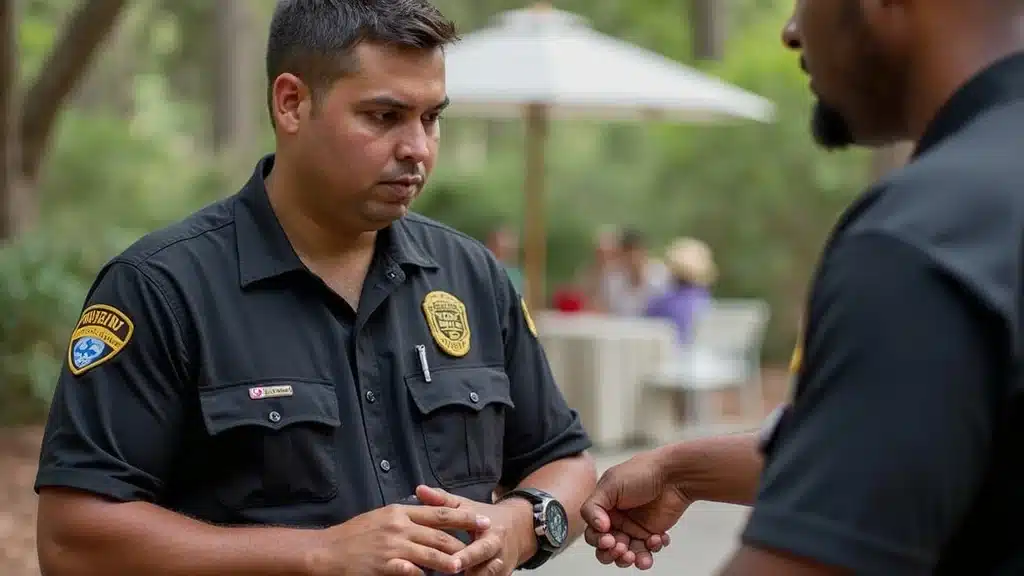
Expert advice for South Carolina bar owners centers on proactive risk management. Start by reviewing your liquor liability insurance—ensure that your liability policy meets or exceeds the one million dollar threshold and genuinely helps protect against South Carolina’s most common claims. Regular server training must be more than a one-time event; a culture of continual education ensures every staff member can spot intoxication, check IDs, and understand when to refuse service. In practice, monitoring compliance with alcohol service standards can prevent incidents while documenting habits that may prove crucial during legal scrutiny. Finally, develop clear, written policies for handling intoxicated individuals, including cutoff protocols and escalation procedures. Training sessions should include scenario practice and roleplay to improve real-world response times, especially when dealing with challenging or repeat customers. The right approach can often make the difference between a minor incident and a multi-million-dollar liability claim.
People Also Ask: South Carolina Bar Owner Liability
What is the new liquor liability law in South Carolina?
Answer:
The new liquor liability law in South Carolina requires bars and restaurants that serve alcohol to carry at least one million dollars in liquor liability insurance. This law aims to protect the public from damages or injuries caused by intoxicated patrons, holding bars accountable through both the court system and insurance mandates. The law also encourages establishments to reinforce staff training and adopt stricter server compliance policies. By having proper coverage, business owners ensure they can appropriately address personal injury claims and stay compliant with updated licensing standards.
What are the liabilities of owning a bar?
Answer:
Owning a bar in South Carolina comes with significant liabilities, including responsibility for the actions of your staff and patrons, particularly if they serve alcohol to underage or already intoxicated individuals. Bar owners face exposure to lawsuits stemming from dram shop laws, especially if a drunk driver or intoxicated individual causes harm after leaving their premises. Other liabilities include compliance with health and safety regulations, maintaining up-to-date liquor licenses, and ensuring all employees undergo regular server training. Proactive management of these factors helps limit both legal and financial risks for South Carolina bar owners.
Why is liquor liability so expensive in South Carolina?
Answer:
Liquor liability insurance costs in South Carolina are higher than many other states due to stringent state laws, frequent litigation, and the increased risk of large payouts for alcohol-related incidents. The state’s legislative requirements, specifically mandating a minimum of one million dollars in coverage for establishments that serve alcohol, reflect lawmakers’ response to public safety concerns, especially involving drunk driving accidents. The high frequency of dram shop claims, large settlements, and the need for businesses serving alcohol to meet evolving regulatory standards all contribute to the rising cost of insuring bars and restaurants in South Carolina.
How much is liquor liability insurance in SC per month?
Answer:
The monthly cost of liquor liability insurance in South Carolina can vary widely depending on the size and location of the bar, annual alcohol sales, claim history, and coverage limits selected. Policies typically meet the state’s $1 million coverage requirement, but rates are shaped by individual risk profiles. It’s advisable to obtain quotes from specialized insurance providers who understand South Carolina law. Always verify that your policy specifically protects your business from dram shop claims and meets local compliance standards for serving alcohol.
FAQs: What to Know About South Carolina Bar Owner Liability
- Do all South Carolina bars need liquor liability insurance?
Yes, any establishment that serves alcohol on-premises in South Carolina is required to maintain a minimum of $1 million in liquor liability insurance to obtain and keep a valid liquor license. - What constitutes due diligence in server training for bars?
Due diligence includes regular, documented training of all employees on recognizing signs of intoxication, checking IDs, refusal of service, and compliance with South Carolina laws to minimize liability claims. - How does drunk driving impact a bar owner’s liability?
If an establishment overserves a patron or fails to prevent an intoxicated individual from continuing to drink or drive, the owner may be liable for damages and injuries resulting from subsequent drunk driving incidents. - What are the penalties for failing to comply with dram shop laws?
Penalties can include fines, suspension or revocation of liquor licenses, civil lawsuits for actual damages, and potentially criminal charges depending on the severity of the infraction and resulting harm.
Key Takeaways on What to Know About South Carolina Bar Owner Liability
- Strong insurance coverage is essential for bar owners
- Dram shop and server training laws demand compliance
- New laws are reshaping South Carolina’s hospitality industry
Final Thoughts: Protecting Your Business with the Right Liquor Liability Insurance
“Being proactive and informed is the best defense against the legal challenges facing South Carolina bar owners today.”
- Review your current liability insurance policy regularly
- Update staff training protocols frequently
- Consult with industry experts to reduce risk
Take action today! Review your liquor liability coverage, educate your staff, and consult the experts at Liquor Liability Insurance to ensure your South Carolina bar is protected.
If you’re ready to take your risk management strategy to the next level, consider exploring the broader landscape of South Carolina liquor liability insurance and how it fits into your long-term business planning. Understanding the nuances of coverage, claims, and compliance can empower you to make smarter decisions that safeguard your establishment’s future. By staying informed about industry trends and legal developments, you’ll be better equipped to adapt to changes and maintain a competitive edge. For bar owners who want to go beyond the basics, delving into advanced insurance solutions and proactive compliance measures is a smart investment in your business’s resilience and reputation.
Sources
- South Carolina Code 61-2-145 – https://www.scstatehouse.gov/code/t61c002.php
- Post and Courier – https://www.postandcourier.com/news/sc-restaurants-brace-for-explosion-in-liquor-liability-premiums/article_1aeea32a-137f-11e7-91b5-7fcd39eb1d6d.html
- Liquor Liability Insurance – https://scliquorliabilityinsurance.com
- TIPS Alcohol Server Training – https://www.tipsalcohol.com/
- South Carolina DHEC Food Safety – https://scdhec.gov/food-safety/food-safety-alcohol-food-service
In South Carolina, bar owners must navigate complex liability issues, particularly concerning the service of alcohol to patrons. Understanding dram shop laws is crucial, as these regulations hold establishments accountable for serving alcohol to visibly intoxicated individuals or minors who subsequently cause harm. Recent legislative changes have further refined these responsibilities, emphasizing the need for comprehensive liquor liability insurance and rigorous staff training. For a detailed exploration of these topics, the article “Dram Shop Laws in South Carolina: Everything You Need to Know” provides valuable insights into the state’s legal framework and its implications for bar owners. (ctlawsc. com) Additionally, “South Carolina Dram Shop Law: Major Changes Taking Effect in 2026” outlines recent legislative updates that impact liability and insurance requirements. (swilleylaw. com) By consulting these resources, bar owners can gain a comprehensive understanding of their legal obligations and implement effective strategies to mitigate risks associated with alcohol service.
