What to Know About Liquor License Regulations SC Today
Did you know there are over 8,000 active liquor licenses in South Carolina? With so many restaurants, bars, and clubs in operation, understanding what to know about liquor license regulations SC is more critical than ever. Ignoring the fine print of South Carolina liquor laws and liquor liability can put your business at risk, lead to hefty penalties, or even a revoked license. In this guide, you’ll discover the insider knowledge and expert strategies every South Carolina business owner needs to safely and successfully navigate the regulatory maze.
A Surprising Look at South Carolina Liquor Laws: What to Know About Liquor License Regulations SC
“In South Carolina, there are more than 8,000 active liquor licenses, highlighting the state’s bustling hospitality industry and the importance of compliance.” – South Carolina Department of Revenue
- How state regulations impact your business: Every alcohol sale must align with strict liquor laws to avoid fines or license suspension.
- Why liquor liability insurance is crucial for South Carolina establishments: Accidents related to alcohol sales can lead to costly lawsuits—insurance protects your livelihood.
- Key requirements from the South Carolina Department of Revenue: Stay current on all forms, inspections, and annual renewals—a missing document can mean denied sales.
- The importance of alcohol server training programs: Trained servers help reduce risks, spot fake IDs with digital ID tools, and create safer environments.
What You’ll Learn About Liquor License Regulations and Liquor Liability in SC
- Overview of South Carolina liquor license requirements
- Best practices for complying with Carolina liquor laws
- Strategies to minimize risks linked to alcohol sales
- The role of alcohol server training and digital ID verification
Understanding What to Know About Liquor License Regulations SC: Key Definitions and Agencies
Who Governs South Carolina Liquor License Regulations? The Role of the Department of Revenue
To fully grasp what to know about liquor license regulations SC, you need to start with the South Carolina Department of Revenue (SCDOR). The SCDOR licensing division manages all facets of liquor laws, including the issuance, renewal, and enforcement of licenses for bars, restaurants, retailers, private clubs, and non-profits. Their regulatory reach also extends to alcohol sales monitoring, compliance checks, and public education programs related to liquor liability and training requirements. Business owners interact with the SCDOR when submitting paperwork, scheduling inspections, and responding to compliance audits. It’s essential to build a good working relationship and understand their expectations to avoid setbacks. Knowing who holds authority makes navigating regulations more efficient and helps business owners remain compliant with all South Carolina liquor laws.
The SCDOR often collaborates with law enforcement and other regulatory bodies when investigating violations or conducting sting operations for underage alcohol sales. This proactive approach highlights why liquor liability insurance and rigorous alcohol server training are critical in South Carolina. When you know the main agency—its processes, deadlines, and rules—you significantly reduce the risk of accidental violations. Always stay updated with regulatory bulletins and newsletters from SCDOR to ensure your compliance strategies are aligned with the latest requirements.
For business owners seeking to strengthen their compliance and risk management strategies, understanding the nuances of liquor liability insurance is essential. You can explore a detailed overview of coverage options and requirements at South Carolina Liquor Liability Insurance, which provides practical guidance tailored to the state’s hospitality industry.
Critical Terms in Carolina Alcohol and Liquor Laws
As you unlock what to know about liquor license regulations SC, several terms come up frequently. Terms like on-premises license (sales for consumption at a location), off-premises license (package sales), “retail liquor dealer,” and “private club” have specific definitions and implications under South Carolina liquor laws. Understanding these distinctions is crucial for choosing the right license and staying compliant. Also, terms such as alcohol server training, digital ID verification, and liquor liability shape the daily operations of any establishment selling alcohol in the state. The Carolina Department of Revenue expects business owners to be fluent in this regulatory language.
Terms regarding forensic digital ID scanning and server training programs are particularly important as regulations increasingly demand technological solutions to combat underage sales and fraudulent activities. When staff know the difference between beer and wine sales regulations, off-site catering rules, and the specific types of liability insurance required, it’s easier to avoid the most common compliance mishaps. Becoming familiar with this glossary helps business owners remain confident whenever a regulatory question arises or during an unexpected inspection.
| License Type | Key Requirements | Responsible Agency |
|---|---|---|
| Retail Liquor License | Physical location, zoning approval, background check | South Carolina Department of Revenue |
| Restaurant Alcohol License | Food service requirement, sales ratio, server training required | SCDOR Licensing Division |
| Private Club License | Members-only, compliance/record-keeping | South Carolina Department of Revenue |
| Special Event/Nonprofit Permit | Limited duration, nonprofit status, onsite controls | SCDOR Special Permits |
South Carolina Liquor Laws: Types of Liquor Licenses Available
What to Know About Retail, Restaurant, and Private Club Liquor Licenses

Whether you’re looking to sell beer and wine in a convenience store or operate a full-service bar, knowing which liquor license fits your business is key to compliance with South Carolina liquor laws. The SCDOR offers distinct options: retail liquor licenses for selling bottled spirits to-go; restaurant licenses for on-premises consumption (requiring a minimum percentage of food sales); and private club licenses for organizations that restrict entry to members. Each type has its own application process, documentation, and compliance standards. For instance, a restaurant must show detailed receipts proving most sales come from food, not alcohol—a critical aspect for those navigating what to know about liquor license regulations SC.
Zoning plays a huge role in determining whether an establishment can obtain a retail or club license, as some neighborhoods restrict alcohol sales altogether or limit where a new business can operate. Documentation such as fingerprints, criminal background checks, and proof of responsible alcohol server training is typically required. Understanding these distinctions not only ensures you’re selling alcohol within the bounds of the law but also protects your business from unintentional violations that could jeopardize your license.
Special Event and Nonprofit Alcohol Sales Permits
The state is home to many festivals, fundraisers, and pop-up events selling alcohol, but these occasions have their own South Carolina liquor laws and permit categories. If you’re organizing a one-time charitable event, you’ll need a special event permit or nonprofit alcohol sales permit. To qualify, nonprofits typically must provide evidence of their status, detailed event plans, and compliance measures such as using digital ID verification tools and documented alcohol server training for all staff and volunteers.
Permits specify hours when alcohol sales are allowed and often require on-site security or crowd control. The application window is short—often 15–30 days before the event—so advance planning and communication with the South Carolina Department of Revenue are critical. These temporary permits are strictly enforced, with violations leading to ineligibility for future approvals or fines that can burden your organization. Always ensure everyone serving alcohol at these events is properly trained to remain compliant with liquor laws and protect your group’s reputation.
- Application criteria for each license type: age, zoning, inspections, and background checks
- Hours and locations of permitted alcohol sales: compliance depends on local ordinances
Alcohol Server Training Programs and Digital ID Requirements in South Carolina
Mandatory Alcohol Server Training: What to Know

Today, mandatory alcohol server training is no longer a recommendation—it’s the law for many license types in South Carolina. Every business selling alcohol must ensure employees complete a training program approved by the SCDOR. These courses cover everything from spotting intoxication and refusing service to recognizing fake IDs and understanding legal limits. If you’re running a bar, restaurant, or club, alcohol server training is not only a regulatory requirement but a key risk-reduction strategy. It provides staff with real-world knowledge of Carolina liquor laws and supports safer alcohol sales.
Training programs may be offered online or in-person and usually require certification renewal every two to three years. A significant advantage is decreased liquor liability exposure: insurance providers often offer more favorable rates to establishments whose staff are fully trained, recognizing the reduced risk of negligent service. If you’re wondering what to know about liquor license regulations SC, remember that sending your staff for server training isn’t just about jumping through hoops; it’s a proven way to protect your business and your clientele.
How Digital ID and Forensic Digital Verification Protect Your Business
With the rise of sophisticated fake IDs, digital ID verification and forensic digital ID scanning are quickly becoming the gold standards in alcohol sales risk management. These tools enable instant scanning and authentication of government-issued IDs, helping South Carolina business owners comply with tough liquor laws prohibiting sales to minors. More importantly, deploying digital ID solutions demonstrates to regulators—and your insurer—that your establishment is committed to responsible service.
Digital ID doesn’t just protect you against fines; it shields you from potential lawsuits and lasting damage to your reputation. Forensic digital verification adds another level, examining details like barcode patterns and embedded data, often catching counterfeits that slip past manual checks. Incorporating these technologies into server training programs can make all the difference between a smooth regulatory inspection and a costly citation. Adopting digital ID tools isn’t just about compliance—it’s about helping South Carolina businesses thrive in a competitive hospitality market.
- Approved training program features: interactive modules, compliance checklists, ID recognition
- Digital ID verification and fraud prevention: fewer underage sales, improved documentation
Navigating Liquor Liability Insurance and Alcohol Server Responsibilities
Why Liquor Liability Insurance Is a Must in SC
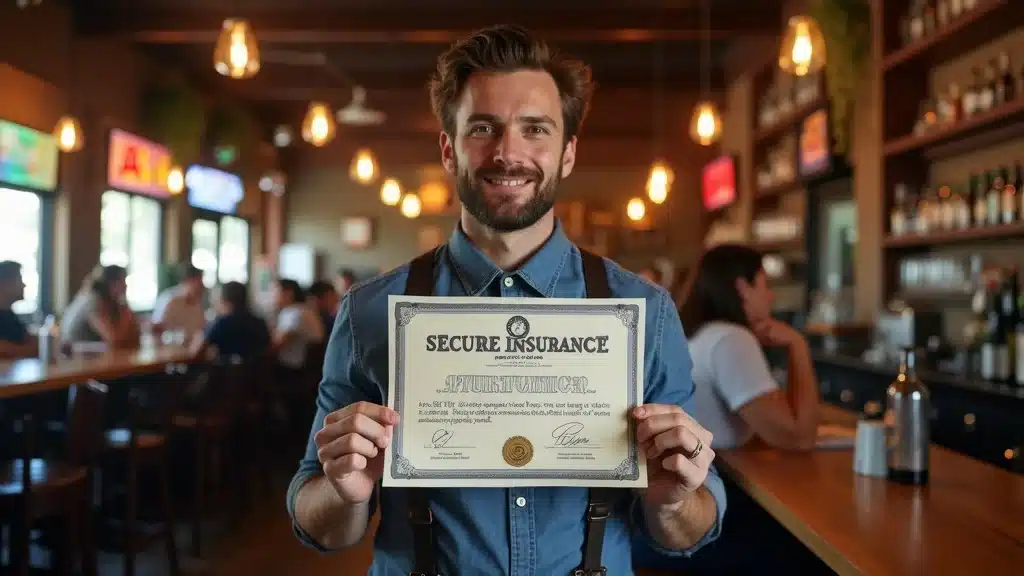
Operating in South Carolina’s vibrant hospitality industry comes with the risk of accidental injury or property damage tied to alcohol sales. Liquor liability insurance is a critical safeguard—it protects your business from claims arising from intoxication, such as accidents, fights, or DUIs traced back to your establishment. Many business owners are surprised to learn that even strict compliance with South Carolina liquor laws doesn’t shield them from lawsuits. Without insurance, a single incident can spell financial ruin. That’s why obtaining the right level of liquor liability insurance has become an essential part of what to know about liquor license regulations SC for every bar, restaurant, or club owner.
Coverage typically includes legal defense costs, settlements, and court-awarded damages, and insurance providers often tailor these policies to match your business type, size, and risk profile. A facility with trained staff and robust digital ID checks may qualify for lower premiums. Regulatory bodies and many landlords increasingly require proof of liquor liability coverage before issuing lease agreements or licenses, making this coverage a functional prerequisite—not just a “nice-to-have. ” Practice due diligence in reviewing policy exclusions and renewal timelines, ensuring there are no coverage gaps that could compromise your operation.
“Carrying liquor liability insurance is not just smart—it can be the difference between a thriving business and financial disaster.” – Liquor Liability Expert
Minimizing Alcohol Sales Risks Through Training and Compliance
Risk doesn’t stop with securing insurance. Every step of the alcohol sales process should be underpinned by comprehensive compliance routines, starting with staff participation in server training programs and continuing with nightly checklists for digital ID use and documentation. Managers should regularly review South Carolina liquor laws with employees, schedule refresher courses, and audit their digital ID verification systems for updates. These preventative measures help reduce liability, protect your customers, and maintain your standing with the Carolina Department of Revenue.
Documentation is just as important as action—records of server certifications, digital ID scans, staff incident reports, and insurance policies should be kept on file for at least five years. This shows inspectors and insurance auditors that you’re operating proactively, not reactively, and establishes a clear line of defense in case of complaints or investigations. By making risk reduction part of your business culture, you not only protect against penalties but also earn the confidence and loyalty of your patrons.
The Application Process: What to Know About Liquor License Regulations SC
Step-by-Step Guide to Getting a Carolina Liquor License

The path to legal alcohol sales in South Carolina begins with a carefully managed application process. Start by identifying which license suits your operations—retail, restaurant, club, or special event. Next, gather essential documentation: proof of ownership or lease, zoning approval, background checks, fingerprinting, and evidence of alcohol server training completion. Digital ID scanner procurement and compliance plans (especially for higher-risk venues) may also be required. Complete the application on the South Carolina Department of Revenue’s licensing division portal, double-checking that all information matches public records and your submitted attachments.
After submission, prepare for an inspection by local authorities. They’ll assess everything from signage to digital ID system integration. This is the stage when attention to detail pays off—missing documents or small compliance issues can delay or derail your application. Remaining in frequent contact with the SCDOR helps business owners troubleshoot problems early, ensuring a timely approval. Keep an eye on your email and postal mail for requests for clarification or additional information, and respond promptly to any communications from the licensing division.
Timeline, Fees, and Documentation for South Carolina License Applications
Typical processing times for liquor licenses in South Carolina can range from four to twelve weeks, depending on your location and the type of application. Fees vary, with higher rates for on-premises consumption or high-risk venues. Each application must be supported by original documents—digital submissions must be carefully scanned, readable, and uploaded in the correct format.
A few common mistakes business owners make include incomplete background information, outdated alcohol server training certificates, or failing to disclose prior license suspensions. Tips for success: review every item on the document checklist provided by the SCDOR, verify the validity of your training program certifications, and consult with an attorney or insurance advisor specializing in South Carolina liquor laws to minimize delays. Always factor in extra time for holidays or peak application periods.
- Common mistakes that delay approval: missing forms, incomplete training documentation, zoning conflicts
- Tips for working with the South Carolina Department of Revenue: respond quickly, keep copies of all correspondence and submissions
Important South Carolina Liquor Laws (Including South Carolina Liquor Liability) Every Business Must Know
South Carolina Liquor Laws on Hours, Advertising, and Prohibited Activities
One of the most important things to know about liquor license regulations SC is that operating within legal hours and rules for advertising is non-negotiable. The majority of alcohol sales are permitted Monday through Saturday, typically from 9:00 AM to 7:00 PM for retail stores, while restaurants and bars have slightly extended hours, provided local ordinances don’t set stricter limits. No retail liquor sales occur on Sundays or state holidays. Advertising alcoholic beverages must avoid targeting those under 21 and cannot include specific promotions or pricing that violate South Carolina liquor laws.
Activities such as serving visibly intoxicated patrons, allowing underage persons to consume alcohol on-premises, or conducting unapproved alcohol-related contests are strictly prohibited. Getting the nuances wrong—like holding a happy hour beyond legal hours or employing servers under age 18—can lead to severe penalties. Staying educated about state and municipal ordinances is essential; what’s legal in Charleston may be off-limits in Greenville, so always verify your license’s scope with local authorities.
Penalties for Non-Compliance with South Carolina Liquor License Regulations
Violating liquor laws can result in warnings, heavy fines, temporary license suspensions, or permanent revocation—putting your business in jeopardy. The South Carolina Department of Revenue and law enforcement frequently conduct undercover stings and compliance audits. Even one staff mistake, such as failing to scan a digital ID or ignoring a server training policy, can place your entire operation at risk.
Repeat or severe violations may result in civil liability, which is where liquor liability insurance becomes an establishment’s safety net. Insurance often covers legal fees and penalties up to policy limits, but prevention is always better than litigation. To remain compliant, provide ongoing refresher courses on carolina liquor laws and regularly audit your alcohol sales records. Keep compliance checklists visible in staff areas and stay in contact with the SCDOR for regulatory updates.
People Also Ask About What to Know About Liquor License Regulations SC
How do I apply for a liquor license in South Carolina?
Answer
To apply for a liquor license in South Carolina, begin by determining the proper license type—retail, restaurant, private club, or special event. Gather all required documents, including identification, zoning approval, background checks, training certificates, and business formation papers. Submit your application via the South Carolina Department of Revenue’s Licensing Division online portal, then schedule and prepare for your compliance inspection. Stay in frequent contact with the SCDOR and promptly reply to their communications for best results.
Is alcohol server training required for all alcohol-selling businesses in South Carolina?
Answer
Yes, most on-premises alcohol sellers—including bars, clubs, and restaurants—must provide documented alcohol server training for all staff responsible for serving or selling alcohol. These training programs ensure staff understand South Carolina liquor laws, are prepared to recognize fake IDs, and can intervene when a customer shows signs of intoxication. Server training is often required for license renewal and may lead to lower insurance rates.
What happens if my business serves alcohol to a minor in South Carolina?
Answer
Serving alcohol to a minor is a serious offense under South Carolina liquor laws. Penalties range from fines and suspension of your liquor license to criminal charges against the server and business owner. In some cases, violations may also lead to lawsuits or increased insurance premiums. Robust compliance practices, digital ID verification, and ongoing alcohol server training can help prevent these costly errors.
Watch: A step-by-step explainer filmed in real South Carolina hospitality venues, spotlighting licensing forms, compliant establishments, insurance signage, and live digital ID verifications. Ideal for business owners new to what to know about liquor license regulations SC.
FAQs About What to Know About Liquor License Regulations SC
- How long does it take to get a liquor license in South Carolina?
The typical processing time ranges from four to twelve weeks and depends on your business location, license type, and whether your application is complete. Meticulous preparations and timely communication with the South Carolina Department of Revenue help avoid unnecessary delays. - Do I need liquor liability insurance to get a license?
In most cases, yes. Many landlords and the Department of Revenue require proof of liquor liability insurance before issuing or renewing a liquor license. Insurance protects your business in case of incidents arising from alcohol sales. - What are the most common liquor license violations in SC?
Frequently cited issues include serving alcohol to minors, exceeding legal sales hours, lack of valid server training documentation, improper digital ID verification, and incomplete application paperwork. Regular training and careful compliance checks reduce these risks.
Key Takeaways: What to Know About Liquor License Regulations SC and Liquor Liability
- Remain compliant to avoid costly penalties and license suspensions
- Invest in thorough alcohol server training programs and digital ID tools to reduce risk
- Secure liquor liability insurance to protect your establishment and your future
Protect Your South Carolina Business—Get a Custom Liquor Liability Insurance Quote
Secure the insurance coverage your business deserves. Visit https://scliquorliabilityinsurance.com today for peace of mind and expert support.
Staying ahead on what to know about liquor license regulations SC is the surest way to grow and protect your restaurant, bar, or nonprofit. Take action today with proper training, digital ID tools, and comprehensive liquor liability insurance.
If you’re ready to take your compliance and risk management to the next level, consider exploring the full spectrum of liquor liability insurance solutions available to South Carolina businesses. By understanding how tailored coverage can support your unique operations, you’ll be better equipped to handle challenges and seize new opportunities in the hospitality industry. For a deeper dive into policy options, expert tips, and the latest regulatory updates, visit South Carolina Liquor Liability Insurance and empower your business with advanced protection and peace of mind.
Sources
- South Carolina Department of Revenue – https://dor.sc.gov/tax/abl
- SC Statehouse – Alcoholic Beverages Laws – https://www.scstatehouse.gov/code/t61c004.php
- SC Liquor Liability Insurance – https://scliquorliabilityinsurance.com
- SC.gov Alcohol Beverage Licenses – https://www.sc.gov/services/Pages/alcohol-beverage-licenses.aspx
Understanding South Carolina’s liquor license regulations is essential for business owners to ensure compliance and protect their establishments. The article “South Carolina Liquor Regulations: Laws, Restrictions, and Penalties” provides a comprehensive overview of licensing requirements, operating hours, age verification, and penalties for violations, offering valuable insights into the state’s structured system for alcohol sales. (legalclarity. org) Additionally, “How to Get a Liquor License in South Carolina” offers a clear, step-by-step guide to obtaining a liquor license, detailing the process, requirements, and expectations for applicants. (legalclarity. org) For those seeking temporary permits, “How to Get a Temporary Alcohol License in South Carolina” outlines the necessary steps and considerations for securing short-term licenses for special events. (legalclarity. org) If you’re serious about navigating South Carolina’s liquor laws effectively, these resources will provide the guidance and clarity you need.
