Opening Times:

9.00 AM - 5.00 PM

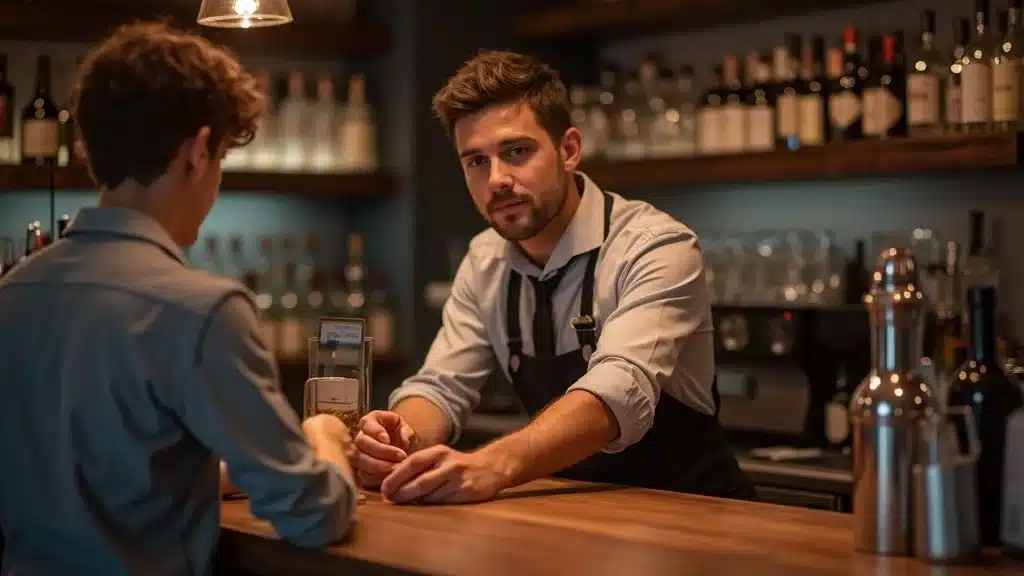
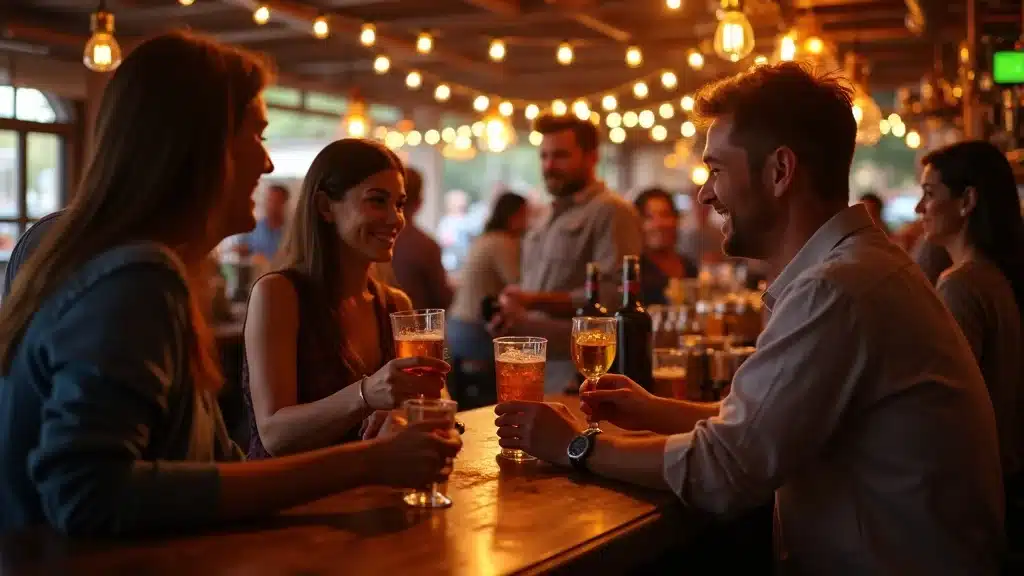
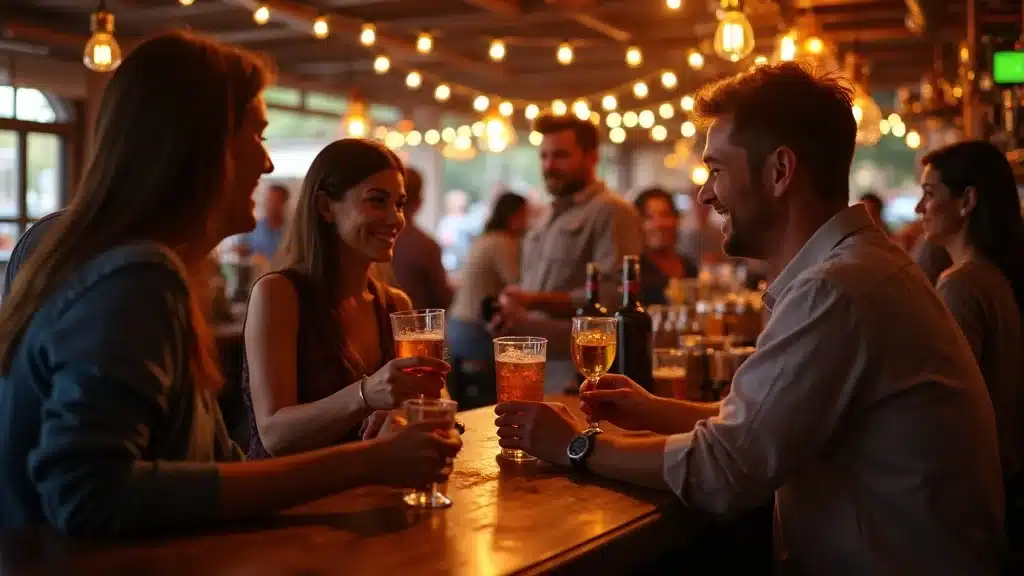
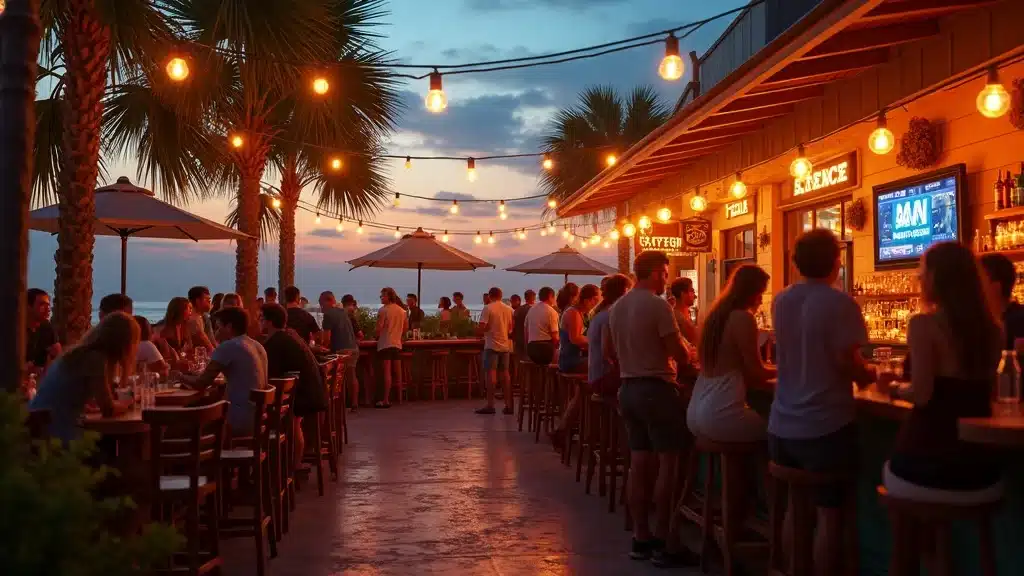
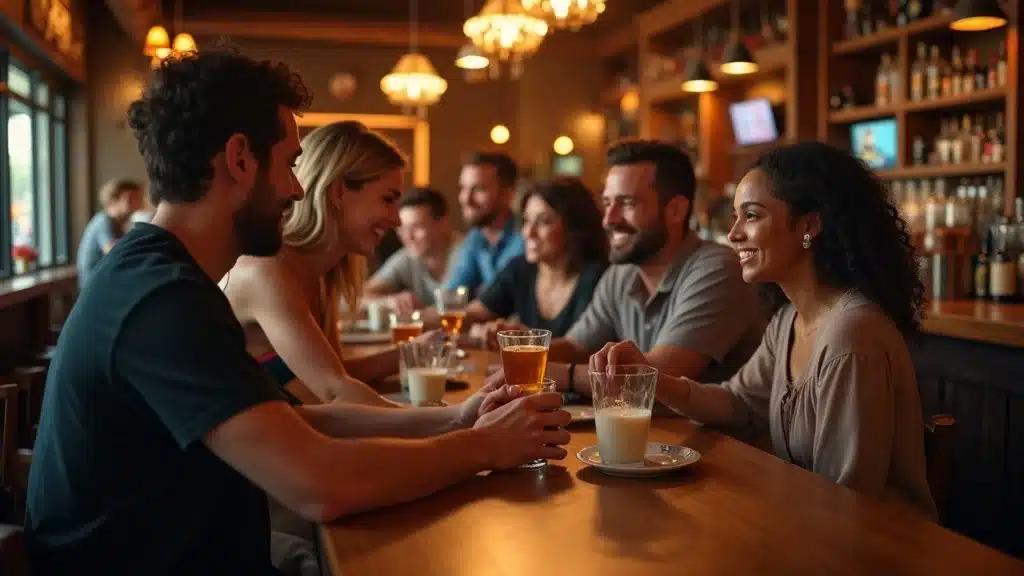
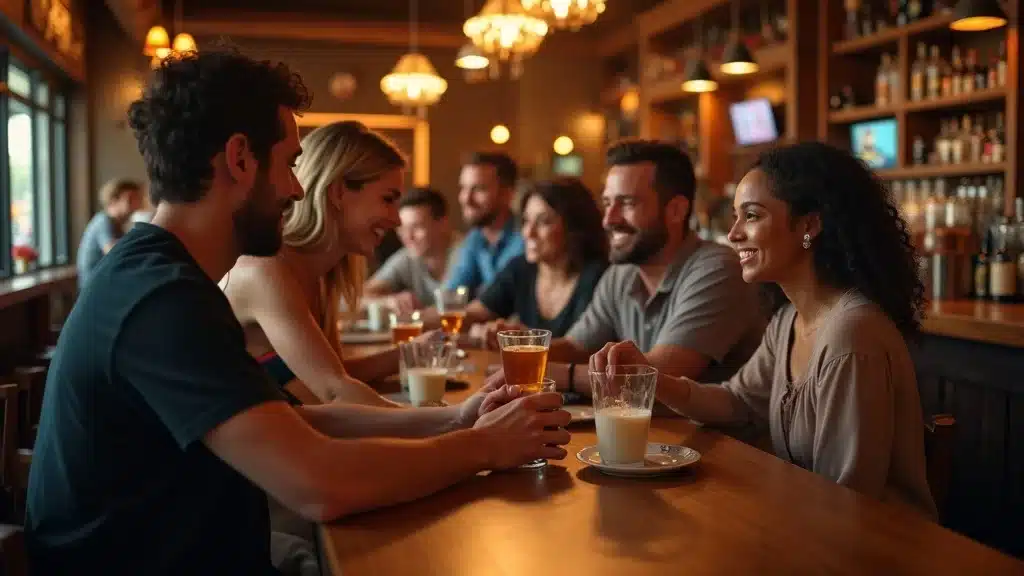
Group of friends at a warmly lit bar, toasting with drinks and chatting across a wooden counter under string lights.

What to Know About Liquor License Regulations SC Today

Did you know there are over 8,000 active liquor licenses in South Carolina? With so many restaurants, bars, and clubs in operation, understanding what to know about liquor license regulations SC is more critical than ever. Ignoring the fine print of South Carolina liquor laws and liquor liability can put your business at risk, lead to hefty penalties, or even a revoked license. In this guide, you’ll discover the insider knowledge and expert strategies every South Carolina business owner needs to safely and successfully navigate the regulatory maze.

A Surprising Look at South Carolina Liquor Laws: What to Know About Liquor License Regulations SC

“In South Carolina, there are more than 8,000 active liquor licenses, highlighting the state’s bustling hospitality industry and the importance of compliance.” – South Carolina Department of Revenue

Bustling hospitality scene in a South Carolina bar with patrons enjoying drinks, bartenders serving, and lively Southern atmosphere. what to know about liquor license regulations sc

  • How state regulations impact your business: Every alcohol sale must align with strict liquor laws to avoid fines or license suspension.
  • Why liquor liability insurance is crucial for South Carolina establishments: Accidents related to alcohol sales can lead to costly lawsuits—insurance protects your livelihood.
  • Key requirements from the South Carolina Department of Revenue: Stay current on all forms, inspections, and annual renewals—a missing document can mean denied sales.
  • The importance of alcohol server training programs: Trained servers help reduce risks, spot fake IDs with digital ID tools, and create safer environments.

What You’ll Learn About Liquor License Regulations and Liquor Liability in SC

  • Overview of South Carolina liquor license requirements
  • Best practices for complying with Carolina liquor laws
  • Strategies to minimize risks linked to alcohol sales
  • The role of alcohol server training and digital ID verification

Understanding What to Know About Liquor License Regulations SC: Key Definitions and Agencies

Who Governs South Carolina Liquor License Regulations? The Role of the Department of Revenue

To fully grasp what to know about liquor license regulations SC, you need to start with the South Carolina Department of Revenue (SCDOR). The SCDOR licensing division manages all facets of liquor laws, including the issuance, renewal, and enforcement of licenses for bars, restaurants, retailers, private clubs, and non-profits. Their regulatory reach also extends to alcohol sales monitoring, compliance checks, and public education programs related to liquor liability and training requirements. Business owners interact with the SCDOR when submitting paperwork, scheduling inspections, and responding to compliance audits. It’s essential to build a good working relationship and understand their expectations to avoid setbacks. Knowing who holds authority makes navigating regulations more efficient and helps business owners remain compliant with all South Carolina liquor laws.

The SCDOR often collaborates with law enforcement and other regulatory bodies when investigating violations or conducting sting operations for underage alcohol sales. This proactive approach highlights why liquor liability insurance and rigorous alcohol server training are critical in South Carolina. When you know the main agency—its processes, deadlines, and rules—you significantly reduce the risk of accidental violations. Always stay updated with regulatory bulletins and newsletters from SCDOR to ensure your compliance strategies are aligned with the latest requirements.

For business owners seeking to strengthen their compliance and risk management strategies, understanding the nuances of liquor liability insurance is essential. You can explore a detailed overview of coverage options and requirements at South Carolina Liquor Liability Insurance, which provides practical guidance tailored to the state’s hospitality industry.

Critical Terms in Carolina Alcohol and Liquor Laws

As you unlock what to know about liquor license regulations SC, several terms come up frequently. Terms like on-premises license (sales for consumption at a location), off-premises license (package sales), “retail liquor dealer,” and “private club” have specific definitions and implications under South Carolina liquor laws. Understanding these distinctions is crucial for choosing the right license and staying compliant. Also, terms such as alcohol server training, digital ID verification, and liquor liability shape the daily operations of any establishment selling alcohol in the state. The Carolina Department of Revenue expects business owners to be fluent in this regulatory language.

Terms regarding forensic digital ID scanning and server training programs are particularly important as regulations increasingly demand technological solutions to combat underage sales and fraudulent activities. When staff know the difference between beer and wine sales regulations, off-site catering rules, and the specific types of liability insurance required, it’s easier to avoid the most common compliance mishaps. Becoming familiar with this glossary helps business owners remain confident whenever a regulatory question arises or during an unexpected inspection.

License Type Key Requirements Responsible Agency
Retail Liquor License Physical location, zoning approval, background check South Carolina Department of Revenue
Restaurant Alcohol License Food service requirement, sales ratio, server training required SCDOR Licensing Division
Private Club License Members-only, compliance/record-keeping South Carolina Department of Revenue
Special Event/Nonprofit Permit Limited duration, nonprofit status, onsite controls SCDOR Special Permits

South Carolina Liquor Laws: Types of Liquor Licenses Available

What to Know About Retail, Restaurant, and Private Club Liquor Licenses

South Carolina business owner reviewing liquor license paperwork and certifications. what to know about liquor license regulations sc

Whether you’re looking to sell beer and wine in a convenience store or operate a full-service bar, knowing which liquor license fits your business is key to compliance with South Carolina liquor laws. The SCDOR offers distinct options: retail liquor licenses for selling bottled spirits to-go; restaurant licenses for on-premises consumption (requiring a minimum percentage of food sales); and private club licenses for organizations that restrict entry to members. Each type has its own application process, documentation, and compliance standards. For instance, a restaurant must show detailed receipts proving most sales come from food, not alcohol—a critical aspect for those navigating what to know about liquor license regulations SC.

Zoning plays a huge role in determining whether an establishment can obtain a retail or club license, as some neighborhoods restrict alcohol sales altogether or limit where a new business can operate. Documentation such as fingerprints, criminal background checks, and proof of responsible alcohol server training is typically required. Understanding these distinctions not only ensures you’re selling alcohol within the bounds of the law but also protects your business from unintentional violations that could jeopardize your license.

Special Event and Nonprofit Alcohol Sales Permits

The state is home to many festivals, fundraisers, and pop-up events selling alcohol, but these occasions have their own South Carolina liquor laws and permit categories. If you’re organizing a one-time charitable event, you’ll need a special event permit or nonprofit alcohol sales permit. To qualify, nonprofits typically must provide evidence of their status, detailed event plans, and compliance measures such as using digital ID verification tools and documented alcohol server training for all staff and volunteers.

Permits specify hours when alcohol sales are allowed and often require on-site security or crowd control. The application window is short—often 15–30 days before the event—so advance planning and communication with the South Carolina Department of Revenue are critical. These temporary permits are strictly enforced, with violations leading to ineligibility for future approvals or fines that can burden your organization. Always ensure everyone serving alcohol at these events is properly trained to remain compliant with liquor laws and protect your group’s reputation.

  • Application criteria for each license type: age, zoning, inspections, and background checks
  • Hours and locations of permitted alcohol sales: compliance depends on local ordinances

Alcohol Server Training Programs and Digital ID Requirements in South Carolina

Mandatory Alcohol Server Training: What to Know

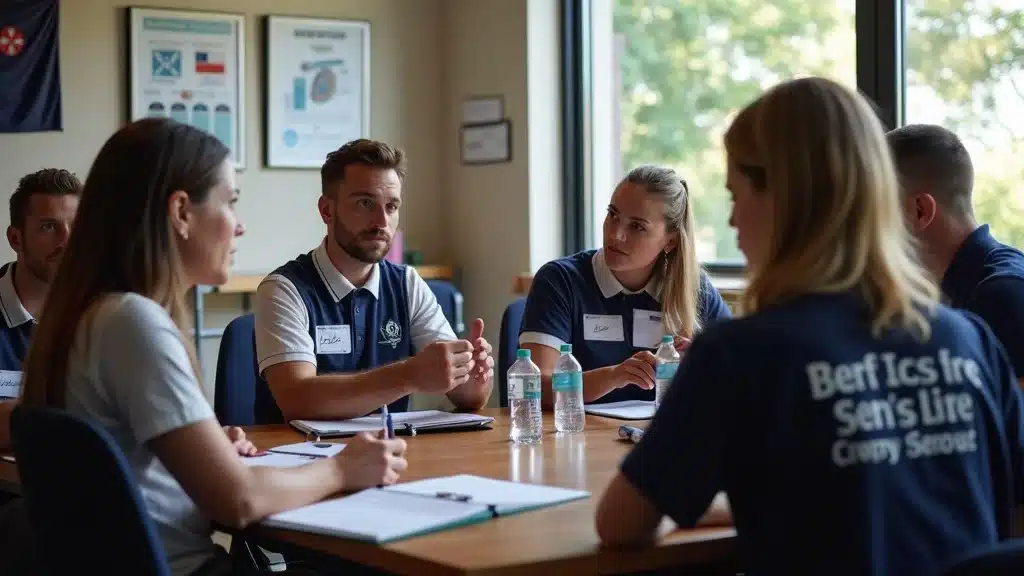
Alcohol server training session in South Carolina featuring bartenders learning digital ID scanning and responsible service. what to know about liquor license regulations sc

Today, mandatory alcohol server training is no longer a recommendation—it’s the law for many license types in South Carolina. Every business selling alcohol must ensure employees complete a training program approved by the SCDOR. These courses cover everything from spotting intoxication and refusing service to recognizing fake IDs and understanding legal limits. If you’re running a bar, restaurant, or club, alcohol server training is not only a regulatory requirement but a key risk-reduction strategy. It provides staff with real-world knowledge of Carolina liquor laws and supports safer alcohol sales.

Training programs may be offered online or in-person and usually require certification renewal every two to three years. A significant advantage is decreased liquor liability exposure: insurance providers often offer more favorable rates to establishments whose staff are fully trained, recognizing the reduced risk of negligent service. If you’re wondering what to know about liquor license regulations SC, remember that sending your staff for server training isn’t just about jumping through hoops; it’s a proven way to protect your business and your clientele.

How Digital ID and Forensic Digital Verification Protect Your Business

With the rise of sophisticated fake IDs, digital ID verification and forensic digital ID scanning are quickly becoming the gold standards in alcohol sales risk management. These tools enable instant scanning and authentication of government-issued IDs, helping South Carolina business owners comply with tough liquor laws prohibiting sales to minors. More importantly, deploying digital ID solutions demonstrates to regulators—and your insurer—that your establishment is committed to responsible service.

Digital ID doesn’t just protect you against fines; it shields you from potential lawsuits and lasting damage to your reputation. Forensic digital verification adds another level, examining details like barcode patterns and embedded data, often catching counterfeits that slip past manual checks. Incorporating these technologies into server training programs can make all the difference between a smooth regulatory inspection and a costly citation. Adopting digital ID tools isn’t just about compliance—it’s about helping South Carolina businesses thrive in a competitive hospitality market.

  • Approved training program features: interactive modules, compliance checklists, ID recognition
  • Digital ID verification and fraud prevention: fewer underage sales, improved documentation

Navigating Liquor Liability Insurance and Alcohol Server Responsibilities

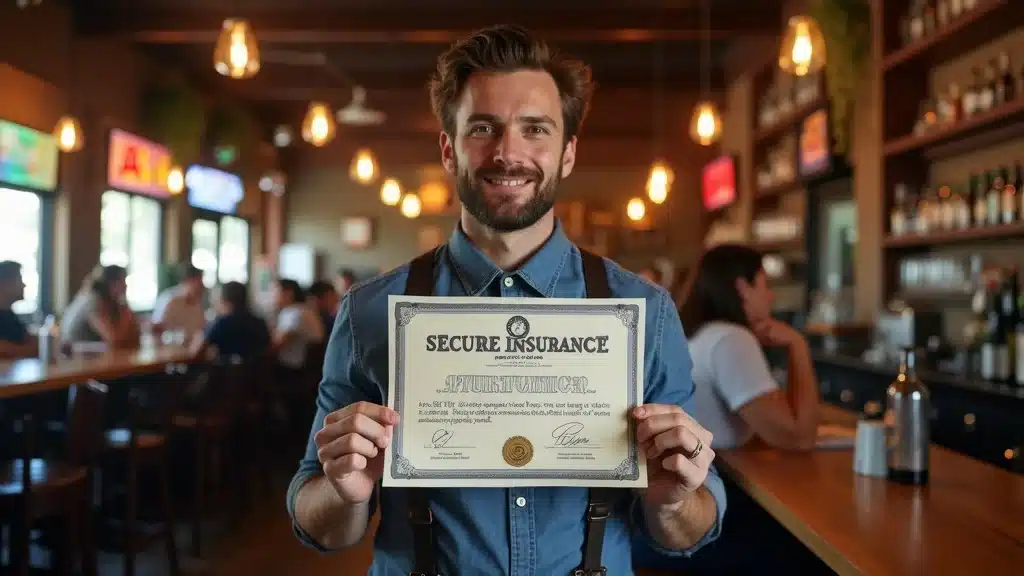
South Carolina bar owner displaying liquor liability insurance certificate in a secure, vibrant establishment. what to know about liquor license regulations sc

Why Liquor Liability Insurance Is a Must in SC

Operating in South Carolina’s vibrant hospitality industry comes with the risk of accidental injury or property damage tied to alcohol sales. Liquor liability insurance is a critical safeguard—it protects your business from claims arising from intoxication, such as accidents, fights, or DUIs traced back to your establishment. Many business owners are surprised to learn that even strict compliance with South Carolina liquor laws doesn’t shield them from lawsuits. Without insurance, a single incident can spell financial ruin. That’s why obtaining the right level of liquor liability insurance has become an essential part of what to know about liquor license regulations SC for every bar, restaurant, or club owner.

Coverage typically includes legal defense costs, settlements, and court-awarded damages, and insurance providers often tailor these policies to match your business type, size, and risk profile. A facility with trained staff and robust digital ID checks may qualify for lower premiums. Regulatory bodies and many landlords increasingly require proof of liquor liability coverage before issuing lease agreements or licenses, making this coverage a functional prerequisite—not just a “nice-to-have. ” Practice due diligence in reviewing policy exclusions and renewal timelines, ensuring there are no coverage gaps that could compromise your operation.

“Carrying liquor liability insurance is not just smart—it can be the difference between a thriving business and financial disaster.” – Liquor Liability Expert

Minimizing Alcohol Sales Risks Through Training and Compliance

Risk doesn’t stop with securing insurance. Every step of the alcohol sales process should be underpinned by comprehensive compliance routines, starting with staff participation in server training programs and continuing with nightly checklists for digital ID use and documentation. Managers should regularly review South Carolina liquor laws with employees, schedule refresher courses, and audit their digital ID verification systems for updates. These preventative measures help reduce liability, protect your customers, and maintain your standing with the Carolina Department of Revenue.

Documentation is just as important as action—records of server certifications, digital ID scans, staff incident reports, and insurance policies should be kept on file for at least five years. This shows inspectors and insurance auditors that you’re operating proactively, not reactively, and establishes a clear line of defense in case of complaints or investigations. By making risk reduction part of your business culture, you not only protect against penalties but also earn the confidence and loyalty of your patrons.

The Application Process: What to Know About Liquor License Regulations SC

Step-by-Step Guide to Getting a Carolina Liquor License

South Carolina business professional completing a step-by-step online liquor license application. what to know about liquor license regulations sc

The path to legal alcohol sales in South Carolina begins with a carefully managed application process. Start by identifying which license suits your operations—retail, restaurant, club, or special event. Next, gather essential documentation: proof of ownership or lease, zoning approval, background checks, fingerprinting, and evidence of alcohol server training completion. Digital ID scanner procurement and compliance plans (especially for higher-risk venues) may also be required. Complete the application on the South Carolina Department of Revenue’s licensing division portal, double-checking that all information matches public records and your submitted attachments.

After submission, prepare for an inspection by local authorities. They’ll assess everything from signage to digital ID system integration. This is the stage when attention to detail pays off—missing documents or small compliance issues can delay or derail your application. Remaining in frequent contact with the SCDOR helps business owners troubleshoot problems early, ensuring a timely approval. Keep an eye on your email and postal mail for requests for clarification or additional information, and respond promptly to any communications from the licensing division.

Timeline, Fees, and Documentation for South Carolina License Applications

Typical processing times for liquor licenses in South Carolina can range from four to twelve weeks, depending on your location and the type of application. Fees vary, with higher rates for on-premises consumption or high-risk venues. Each application must be supported by original documents—digital submissions must be carefully scanned, readable, and uploaded in the correct format.

A few common mistakes business owners make include incomplete background information, outdated alcohol server training certificates, or failing to disclose prior license suspensions. Tips for success: review every item on the document checklist provided by the SCDOR, verify the validity of your training program certifications, and consult with an attorney or insurance advisor specializing in South Carolina liquor laws to minimize delays. Always factor in extra time for holidays or peak application periods.

  • Common mistakes that delay approval: missing forms, incomplete training documentation, zoning conflicts
  • Tips for working with the South Carolina Department of Revenue: respond quickly, keep copies of all correspondence and submissions

Important South Carolina Liquor Laws (Including South Carolina Liquor Liability) Every Business Must Know

South Carolina Liquor Laws on Hours, Advertising, and Prohibited Activities

One of the most important things to know about liquor license regulations SC is that operating within legal hours and rules for advertising is non-negotiable. The majority of alcohol sales are permitted Monday through Saturday, typically from 9:00 AM to 7:00 PM for retail stores, while restaurants and bars have slightly extended hours, provided local ordinances don’t set stricter limits. No retail liquor sales occur on Sundays or state holidays. Advertising alcoholic beverages must avoid targeting those under 21 and cannot include specific promotions or pricing that violate South Carolina liquor laws.

Activities such as serving visibly intoxicated patrons, allowing underage persons to consume alcohol on-premises, or conducting unapproved alcohol-related contests are strictly prohibited. Getting the nuances wrong—like holding a happy hour beyond legal hours or employing servers under age 18—can lead to severe penalties. Staying educated about state and municipal ordinances is essential; what’s legal in Charleston may be off-limits in Greenville, so always verify your license’s scope with local authorities.

Penalties for Non-Compliance with South Carolina Liquor License Regulations

Violating liquor laws can result in warnings, heavy fines, temporary license suspensions, or permanent revocation—putting your business in jeopardy. The South Carolina Department of Revenue and law enforcement frequently conduct undercover stings and compliance audits. Even one staff mistake, such as failing to scan a digital ID or ignoring a server training policy, can place your entire operation at risk.

Repeat or severe violations may result in civil liability, which is where liquor liability insurance becomes an establishment’s safety net. Insurance often covers legal fees and penalties up to policy limits, but prevention is always better than litigation. To remain compliant, provide ongoing refresher courses on carolina liquor laws and regularly audit your alcohol sales records. Keep compliance checklists visible in staff areas and stay in contact with the SCDOR for regulatory updates.

People Also Ask About What to Know About Liquor License Regulations SC

How do I apply for a liquor license in South Carolina?

Answer

To apply for a liquor license in South Carolina, begin by determining the proper license type—retail, restaurant, private club, or special event. Gather all required documents, including identification, zoning approval, background checks, training certificates, and business formation papers. Submit your application via the South Carolina Department of Revenue’s Licensing Division online portal, then schedule and prepare for your compliance inspection. Stay in frequent contact with the SCDOR and promptly reply to their communications for best results.

Is alcohol server training required for all alcohol-selling businesses in South Carolina?

Answer

Yes, most on-premises alcohol sellers—including bars, clubs, and restaurants—must provide documented alcohol server training for all staff responsible for serving or selling alcohol. These training programs ensure staff understand South Carolina liquor laws, are prepared to recognize fake IDs, and can intervene when a customer shows signs of intoxication. Server training is often required for license renewal and may lead to lower insurance rates.

What happens if my business serves alcohol to a minor in South Carolina?

Answer

Serving alcohol to a minor is a serious offense under South Carolina liquor laws. Penalties range from fines and suspension of your liquor license to criminal charges against the server and business owner. In some cases, violations may also lead to lawsuits or increased insurance premiums. Robust compliance practices, digital ID verification, and ongoing alcohol server training can help prevent these costly errors.

Watch: A step-by-step explainer filmed in real South Carolina hospitality venues, spotlighting licensing forms, compliant establishments, insurance signage, and live digital ID verifications. Ideal for business owners new to what to know about liquor license regulations SC.

FAQs About What to Know About Liquor License Regulations SC

  • How long does it take to get a liquor license in South Carolina?
    The typical processing time ranges from four to twelve weeks and depends on your business location, license type, and whether your application is complete. Meticulous preparations and timely communication with the South Carolina Department of Revenue help avoid unnecessary delays.
  • Do I need liquor liability insurance to get a license?
    In most cases, yes. Many landlords and the Department of Revenue require proof of liquor liability insurance before issuing or renewing a liquor license. Insurance protects your business in case of incidents arising from alcohol sales.
  • What are the most common liquor license violations in SC?
    Frequently cited issues include serving alcohol to minors, exceeding legal sales hours, lack of valid server training documentation, improper digital ID verification, and incomplete application paperwork. Regular training and careful compliance checks reduce these risks.

Key Takeaways: What to Know About Liquor License Regulations SC and Liquor Liability

  • Remain compliant to avoid costly penalties and license suspensions
  • Invest in thorough alcohol server training programs and digital ID tools to reduce risk
  • Secure liquor liability insurance to protect your establishment and your future

Protect Your South Carolina Business—Get a Custom Liquor Liability Insurance Quote

Secure the insurance coverage your business deserves. Visit https://scliquorliabilityinsurance.com today for peace of mind and expert support.

Staying ahead on what to know about liquor license regulations SC is the surest way to grow and protect your restaurant, bar, or nonprofit. Take action today with proper training, digital ID tools, and comprehensive liquor liability insurance.

If you’re ready to take your compliance and risk management to the next level, consider exploring the full spectrum of liquor liability insurance solutions available to South Carolina businesses. By understanding how tailored coverage can support your unique operations, you’ll be better equipped to handle challenges and seize new opportunities in the hospitality industry. For a deeper dive into policy options, expert tips, and the latest regulatory updates, visit South Carolina Liquor Liability Insurance and empower your business with advanced protection and peace of mind.

Sources

Understanding South Carolina’s liquor license regulations is essential for business owners to ensure compliance and protect their establishments. The article “South Carolina Liquor Regulations: Laws, Restrictions, and Penalties” provides a comprehensive overview of licensing requirements, operating hours, age verification, and penalties for violations, offering valuable insights into the state’s structured system for alcohol sales. (legalclarity. org) Additionally, “How to Get a Liquor License in South Carolina” offers a clear, step-by-step guide to obtaining a liquor license, detailing the process, requirements, and expectations for applicants. (legalclarity. org) For those seeking temporary permits, “How to Get a Temporary Alcohol License in South Carolina” outlines the necessary steps and considerations for securing short-term licenses for special events. (legalclarity. org) If you’re serious about navigating South Carolina’s liquor laws effectively, these resources will provide the guidance and clarity you need.

What to Know About South Carolina Bar Owner Liability

Did you know that a single overserved drink can expose a South Carolina bar owner to million-dollar lawsuits? Most bar owners don’t realize the sheer magnitude of risk that comes with every cocktail poured across the counter. In South Carolina, where state law holds bars and restaurants to strict standards, one lapse in judgment—or one poorly trained server—can spell disaster, both legally and financially. This article delivers everything you need to know about South Carolina bar owner liability, from dram shop regulations to new insurance mandates, ensuring you’re not caught off guard by the industry’s evolving landscape.

“Did you know that a single overserved drink can expose a South Carolina bar owner to million-dollar lawsuits?” – industry expert on liquor liability

Modern upscale bar interior South Carolina patrons bartender security camera

A Surprising Reality: Bar Owner Liability in South Carolina

If you own or run a bar in South Carolina, understanding your liability isn’t just good business—it’s a necessity for survival. Many bar owners underestimate the breadth of their legal responsibilities, especially when it comes to how they serve alcohol and supervise their staff. The reality is that South Carolina’s dramatic shifts in liquor liability law can leave even seasoned operators unprepared. Whether you serve alcohol in a bustling downtown, a rural tavern, or a trendy rooftop lounge, your exposure to personal injury lawsuits, dram shop claims, and insurance costs is higher than ever before. Lawsuits from accidents involving drunk drivers or overserved patrons can quickly spiral into multi-million-dollar legal battles, making comprehensive liquor liability insurance and strict compliance crucial.

So, what exactly are the core elements of bar owner liability in the state? Liability in South Carolina goes beyond serving responsibly; it encompasses insurance compliance, staff training protocols, adherence to evolving statutes like South Carolina Code 61-2-145, and maintaining vigilant operational standards. In a state where legislative changes in 2017, championed by Henry McMaster and others, transformed liquor liability expectations, every bar owner must keep pace—not only to protect themselves from legal jeopardy but also to create a safer environment for patrons and communities alike.

Modern upscale bar interior South Carolina patrons bartender security camera

What You’ll Learn About South Carolina Bar Owner Liability

  • Understanding dram shop and alcohol server liabilities
  • Navigating liquor liability insurance requirements
  • Examining server training obligations
  • Exploring recent changes to South Carolina liquor laws
  • Tips to minimize risk as a bar owner

The Foundation: What to Know About South Carolina Bar Owner Liability

Core Principles of Bar Owner Liability in South Carolina

At the heart of what to know about South Carolina bar owner liability are the principles that have shaped the industry for decades. South Carolina’s dram shop laws, which impose responsibility on entities that serve alcohol to clearly intoxicated individuals, have roots dating back to concerns over drunk driving and public safety. The historical background is rooted in recognizing the power—and risk—bars and restaurants wield in shaping social behaviors and, by extension, impacting public health and safety. As a law firm specializing in hospitality cases would warn, the connection between serving alcohol and catastrophic real-world consequences shapes both civil liability claims and state regulations.

Practically, this means that bars and restaurants are not simply service providers; they are potential gatekeepers whose decisions can have life-altering ramifications for patrons, innocent bystanders, and business owners alike. The South Carolina Code stipulates that serving alcohol to someone who is noticeably intoxicated or underage can render a business owner liable for actual damages resulting from subsequent accidents or injuries. This extends beyond the physical premises; liability can follow a patron out the door, creating ongoing risk after each drink poured. As such, understanding the role of the establishment, their staff, and their responsibility in preventing accidents is fundamental to limiting exposure in a litigious climate.

  • Historical background of dram shop laws
  • Role of bars and restaurants in liability cases
  • Relationship between serving alcohol and legal risk

South Carolina historic courtroom dram shop law judges attorneys

Decoding Dram Shop Laws and Liquor Liability

How Dram Shop Laws Affect South Carolina Bars

Dram shop laws are among the most significant factors shaping what to know about South Carolina bar owner liability. At their core, these laws create tangible consequences for businesses serving alcohol who fail to prevent overconsumption, underage drinking, or service to already intoxicated patrons. In South Carolina, the courts have enforced these standards in both criminal and civil domains, making it clear that ignorance is no defense. For example, if a personal injury attorney can prove that a South Carolina bar contributed to a drunk driver’s access to alcohol or ignored evidence of intoxication, liability for subsequent damages (sometimes in the millions) can be assigned directly to the establishment.

Real-life dram shop cases underscore how alcohol server responsibility is more than a theoretical concern. Think of the bar staff member who does not verify an ID with a proper ID scanner or fails to recognize the signs of intoxication—this oversight could mean the difference between safe service and a catastrophic drunk driving incident, for which the bar owner will be held accountable. This is why insurance burden, rigorous server training, and a deep understanding of dram shop law are woven into every successful operation in South Carolina. Today’s business owners must navigate these challenges daily, ensuring every server understands both their authority and duty when it comes to serving alcohol responsibly.

  • Definition and significance of dram shop
  • Examples of dram shop cases in South Carolina
  • How alcohol server responsibility is enforced

For a deeper dive into the specifics of liquor liability insurance requirements and how they impact your business, you can explore the comprehensive guide on South Carolina liquor liability insurance policies. This resource breaks down coverage options, legal obligations, and practical steps for bar owners to stay compliant and protected.

The Costly Side: Liquor Liability Insurance and Its Implications

Why Liquor Liability Insurance Is Crucial for South Carolina Bar Owners

Getting liquor liability insurance is not just a recommendation for South Carolina bar owners—it’s an operational imperative. Most people don’t realize that the financial risks associated with serving alcohol can easily exceed the value of the business itself. Standard liability insurance often does not cover claims arising from alcohol-related incidents, hence the need for a specialized liquor liability policy. This insurance helps protect bars and restaurants from claims of personal injury, property damage, and suits connected to the actions of intoxicated patrons. Recent years have seen a sharp increase in insurance costs due to rising lawsuit frequency, large payouts from incidents involving drunk drivers, and ongoing legal changes.

South Carolina is one of the few states to mandate a million in liquor liability coverage for bar owners, making the region’s insurance requirements among the strictest in the nation. State regulations now stipulate exact coverage minimums and conditions, reflecting lawmakers’ recognition of the real and present dangers in alcohol service. For bar owners, failing to secure comprehensive liability insurance is not only a legal misstep but a potentially ruinous financial oversight. Protecting your business starts with understanding exactly what your policy covers, comparing standard liability with dedicated liquor liability insurance, and staying up to date with evolving legislative demands.

Comparison of Standard Liability Insurance vs. Liquor Liability Coverage for South Carolina Bar Owners
Policy Type What It Covers Typical Requirements Exclusions
Standard Liability Insurance General slip-and-fall, property damage, non-alcohol-related injury claims Not usually required for serving alcohol Alcohol-related claims, overserving, drunk driving
Liquor Liability Insurance Alcohol-related lawsuits, third-party damages (e.g., drunk driver injuries), dram shop liability Often required for liquor license in South Carolina (minimum $1 million coverage) Intentional acts outside legal compliance

“Every bar and restaurant owner in South Carolina should understand that liquor liability insurance isn’t just smart—it’s often required by law.”

South Carolina bar owner discusses liquor liability insurance with agent

Server Training Requirements: Preventing Drunk Driving and Legal Trouble

How Proper Alcohol Server Training Mitigates Bar Owner Risk

Robust server training isn’t just another task on a checklist; it’s one of the most effective ways to limit bar owner liability in South Carolina. Training ensures that all staff, from novice servers to seasoned bartenders, understand the signs of intoxication, legal duties for checking identification, and the non-negotiable importance of complying with South Carolina law. Alcohol server training mandates, embedded in both state law and industry best practices, are preventative tools—helping to intercept potential infractions before they escalate into personal injury lawsuits or worst-case drunk driving incidents. Regular, ongoing alcohol server training arms your staff with the confidence and knowledge needed to refuse service when appropriate, handle difficult situations with tact, and document interactions if questions about due diligence arise.

The impact of high-quality, repeated server training is far-reaching. Not only does it reduce legal risk for businesses serving alcohol, but it pays dividends by creating a safer bar environment and reassuring patrons, regulators, and insurers alike. Programs such as TIPS or ServSafe, which focus on the specifics of South Carolina’s laws, reinforce a culture of compliance. For any business owner, an investment in training is an investment in peace of mind, lower insurance premiums, and a reputation for responsible alcohol service. As South Carolina continues to tighten dram shop enforcement and insurance standards, training is the first—and sometimes last—line of defense against catastrophic claims.

  • Overview of server training and alcohol server training mandates
  • Best practices for serving alcohol responsibly
  • Impact of training on liability claims and drunk driving incidents

“Investing in server training is one of the best defenses against costly litigation.”

South Carolina bar staff alcohol server training session

Navigating the Law: Recent Changes and Key Issues for Carolina Bars

Understanding the New Liquor Liability Law in South Carolina

In the last few years, South Carolina has introduced new liquor liability law provisions that fundamentally change how bars and restaurants must operate. Notably, the requirement for every bar with a liquor license to carry at least one million dollars in liquor liability insurance has set an industry standard. These updates compel owners to rethink their compliance strategies and insurance protections. Lawmakers tightened these laws in response to increasing personal injury litigation and public safety concerns, particularly those stemming from drunk driving incidents but also encompassing broader dram shop claims. The changes, anchored in statutes like South Carolina Code 61-2-145, reflect the state’s intention to protect both the public and responsible business owners who serve alcohol within the law’s boundaries.

As a result, South Carolina bars must adapt by reassessing their insurance, intensifying server training, and reviewing their service policies in light of these new obligations. Adherence is no longer optional; compliance with million in liquor liability coverage and consistent staff education have become legal and financial necessities. In short, staying current on liquor liability law is the best shield against unforeseen penalties, suspension of liquor licenses, or expensive lawsuits related to alcohol service gone awry. By proactively updating policies and training, bar owners can maintain their good standing and reduce their exposure in an environment marked by regulatory change.

  • Summary of updated legal requirements for bars
  • How south carolina bars are adapting to new million in liquor liability standards
  • Key points to know for compliance

Watch a short explainer on South Carolina’s updated liquor liability laws

Risk Factors Unique to South Carolina Bars and Restaurants

  • Local regulations impacting liability
  • Specific challenges for South Carolina establishments
  • Role of environment and event types in liability exposure

Every bar and restaurant in South Carolina operates amid a unique risk environment defined by local regulations, event-specific exposures, and a climate of heightened general liability. Towns and counties may impose requirements beyond state standards regarding physical security (such as use of ID scanners), the presence of security staff during events, or even hours during which alcohol can be sold. Establishments hosting large events or featuring live entertainment face added scrutiny: environments where alcohol flows freely and crowds become difficult to monitor often experience more legal complications. Event wristbands, strict age verification, and extra security at entrances are becoming industry norms for good reason.

Beyond official statutes, the role of the physical environment—including patio bars, beachfront locations, or venues with open-air layouts—contributes to both the perception and reality of risk. Every unique challenge, from patrons moving easily between indoor and outdoor areas to quick-changes in crowd size, can present new risks for overserving or failing to maintain effective controls. By recognizing and actively managing these factors, bar owners can significantly reduce their exposure and respond quickly to changing legal expectations in the ever-evolving South Carolina hospitality landscape.

South Carolina outdoor bar event security staff ID checking palmetto trees

Expert Tips: Managing and Reducing Liquor Liability Exposure

  1. Obtain sufficient liquor liability insurance
  2. Implement ongoing server training programs
  3. Monitor alcohol server compliance
  4. Develop clear serving alcohol and intoxication cutoff policies

Expert advice for South Carolina bar owners centers on proactive risk management. Start by reviewing your liquor liability insurance—ensure that your liability policy meets or exceeds the one million dollar threshold and genuinely helps protect against South Carolina’s most common claims. Regular server training must be more than a one-time event; a culture of continual education ensures every staff member can spot intoxication, check IDs, and understand when to refuse service. In practice, monitoring compliance with alcohol service standards can prevent incidents while documenting habits that may prove crucial during legal scrutiny. Finally, develop clear, written policies for handling intoxicated individuals, including cutoff protocols and escalation procedures. Training sessions should include scenario practice and roleplay to improve real-world response times, especially when dealing with challenging or repeat customers. The right approach can often make the difference between a minor incident and a multi-million-dollar liability claim.

People Also Ask: South Carolina Bar Owner Liability

What is the new liquor liability law in South Carolina?

Answer:

The new liquor liability law in South Carolina requires bars and restaurants that serve alcohol to carry at least one million dollars in liquor liability insurance. This law aims to protect the public from damages or injuries caused by intoxicated patrons, holding bars accountable through both the court system and insurance mandates. The law also encourages establishments to reinforce staff training and adopt stricter server compliance policies. By having proper coverage, business owners ensure they can appropriately address personal injury claims and stay compliant with updated licensing standards.

What are the liabilities of owning a bar?

Answer:

Owning a bar in South Carolina comes with significant liabilities, including responsibility for the actions of your staff and patrons, particularly if they serve alcohol to underage or already intoxicated individuals. Bar owners face exposure to lawsuits stemming from dram shop laws, especially if a drunk driver or intoxicated individual causes harm after leaving their premises. Other liabilities include compliance with health and safety regulations, maintaining up-to-date liquor licenses, and ensuring all employees undergo regular server training. Proactive management of these factors helps limit both legal and financial risks for South Carolina bar owners.

Why is liquor liability so expensive in South Carolina?

Answer:

Liquor liability insurance costs in South Carolina are higher than many other states due to stringent state laws, frequent litigation, and the increased risk of large payouts for alcohol-related incidents. The state’s legislative requirements, specifically mandating a minimum of one million dollars in coverage for establishments that serve alcohol, reflect lawmakers’ response to public safety concerns, especially involving drunk driving accidents. The high frequency of dram shop claims, large settlements, and the need for businesses serving alcohol to meet evolving regulatory standards all contribute to the rising cost of insuring bars and restaurants in South Carolina.

How much is liquor liability insurance in SC per month?

Answer:

The monthly cost of liquor liability insurance in South Carolina can vary widely depending on the size and location of the bar, annual alcohol sales, claim history, and coverage limits selected. Policies typically meet the state’s $1 million coverage requirement, but rates are shaped by individual risk profiles. It’s advisable to obtain quotes from specialized insurance providers who understand South Carolina law. Always verify that your policy specifically protects your business from dram shop claims and meets local compliance standards for serving alcohol.

FAQs: What to Know About South Carolina Bar Owner Liability

  • Do all South Carolina bars need liquor liability insurance?
    Yes, any establishment that serves alcohol on-premises in South Carolina is required to maintain a minimum of $1 million in liquor liability insurance to obtain and keep a valid liquor license.
  • What constitutes due diligence in server training for bars?
    Due diligence includes regular, documented training of all employees on recognizing signs of intoxication, checking IDs, refusal of service, and compliance with South Carolina laws to minimize liability claims.
  • How does drunk driving impact a bar owner’s liability?
    If an establishment overserves a patron or fails to prevent an intoxicated individual from continuing to drink or drive, the owner may be liable for damages and injuries resulting from subsequent drunk driving incidents.
  • What are the penalties for failing to comply with dram shop laws?
    Penalties can include fines, suspension or revocation of liquor licenses, civil lawsuits for actual damages, and potentially criminal charges depending on the severity of the infraction and resulting harm.

Key Takeaways on What to Know About South Carolina Bar Owner Liability

  • Strong insurance coverage is essential for bar owners
  • Dram shop and server training laws demand compliance
  • New laws are reshaping South Carolina’s hospitality industry

Final Thoughts: Protecting Your Business with the Right Liquor Liability Insurance

“Being proactive and informed is the best defense against the legal challenges facing South Carolina bar owners today.”

  • Review your current liability insurance policy regularly
  • Update staff training protocols frequently
  • Consult with industry experts to reduce risk

Take action today! Review your liquor liability coverage, educate your staff, and consult the experts at Liquor Liability Insurance to ensure your South Carolina bar is protected.

If you’re ready to take your risk management strategy to the next level, consider exploring the broader landscape of South Carolina liquor liability insurance and how it fits into your long-term business planning. Understanding the nuances of coverage, claims, and compliance can empower you to make smarter decisions that safeguard your establishment’s future. By staying informed about industry trends and legal developments, you’ll be better equipped to adapt to changes and maintain a competitive edge. For bar owners who want to go beyond the basics, delving into advanced insurance solutions and proactive compliance measures is a smart investment in your business’s resilience and reputation.

Sources

In South Carolina, bar owners must navigate complex liability issues, particularly concerning the service of alcohol to patrons. Understanding dram shop laws is crucial, as these regulations hold establishments accountable for serving alcohol to visibly intoxicated individuals or minors who subsequently cause harm. Recent legislative changes have further refined these responsibilities, emphasizing the need for comprehensive liquor liability insurance and rigorous staff training. For a detailed exploration of these topics, the article “Dram Shop Laws in South Carolina: Everything You Need to Know” provides valuable insights into the state’s legal framework and its implications for bar owners. (ctlawsc. com) Additionally, “South Carolina Dram Shop Law: Major Changes Taking Effect in 2026” outlines recent legislative updates that impact liability and insurance requirements. (swilleylaw. com) By consulting these resources, bar owners can gain a comprehensive understanding of their legal obligations and implement effective strategies to mitigate risks associated with alcohol service.

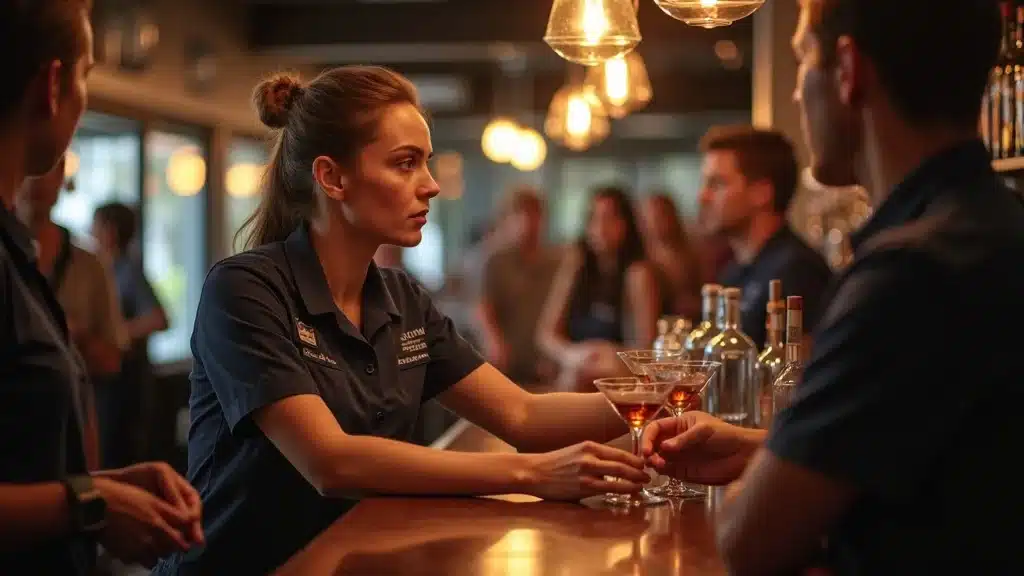
Female bartender hands a cocktail to a customer at a warmly lit bar; blurred patrons in the background.

What to Know About Alcohol Service Liability Risks

Did you know that even a single misstep in serving alcohol could cost a South Carolina business hundreds of thousands in liability claims? The risk is real and can blindside even the most diligent owners and social hosts. Whether you manage a bustling bar or host private gatherings, understanding what to know about alcohol service liability is the difference between safeguarding your reputation and facing fallout from legal, financial, or safety lapses. This comprehensive guide draws from expert insights in South Carolina’s unique legal landscape, giving you the tools to tackle dram shop liability, shop laws, and insurance cover needs like a pro.

Revealing the Reality: Alcohol Service Liability Risks in South Carolina

The landscape of alcohol service liability in South Carolina is as dynamic as it is unforgiving. With liquor liability laws and dram shop regulations holding both businesses and private hosts accountable for serving alcohol, the margin for error is razor-thin. South Carolina’s dram shop laws place a clear responsibility on any individual or establishment that serves alcoholic beverages—whether it’s a trendy downtown bar serving craft cocktails or a neighbor pouring wine at a private event. If an intoxicated patron causes harm or property damage, you could be held liable for the consequences, regardless of intent or awareness.

Unfortunately, many local business owners learn the hard way that even one oversight can lead to staggering legal fees and insurance payouts. With incidents involving intoxicated or underage guests drawing intense scrutiny from authorities, state law, and insurance providers, understanding shop liability is no longer optional; it’s essential. Businesses that fail to document compliance, properly train staff, or secure liquor liability coverage may find themselves on the wrong side of a lawsuit, making proactive education and risk management crucial for survival in today’s hospitality environment.

Alcohol service staff in South Carolina checking IDs while serving drinks - liquor liability focus, bar atmosphere, attentive staff and mingling guests

“Many business owners underestimate the true extent of their exposure to alcohol service liability until a single incident unveils costly risks.” — South Carolina Liquor Liability Insurance Specialist

What You’ll Learn About Alcohol Service Liability

  • Key definitions: what to know about alcohol service liability
  • Main categories of liability for serving alcohol
  • How dram shop liability and liquor liability insurance work in South Carolina
  • Regulatory requirements, consequences, and best practices for responsible alcohol service
  • Expert recommendations on reducing liability exposure

Understanding What to Know About Alcohol Service Liability

Business owners and staff reviewing alcohol service liability policies in South Carolina - professional setting, compliance documents, focus on responsible alcohol service

Defining Alcohol Service Liability: Core Concepts

Alcohol service liability is the legal responsibility that falls on businesses, social hosts, and staff who serve alcohol to others. In South Carolina, this concept is central to both dram shop liability and social host liability laws, which determine when someone can be held liable for damages or injuries caused by an intoxicated patron or guest. At its core, alcohol service liability refers to the risk that a mistake—such as serving alcohol to an intoxicated or underage individual—could lead to serious legal consequences. These risks aren’t limited to bars or nightclubs: they extend to private events, catered gatherings, and even holiday parties where alcoholic beverages are available.

Understanding the scope of this liability starts with knowing local liability laws and what actions—or lack thereof—could trigger claims. Whether you are a business owner applying for a liquor license or hosting a private event at your home, it’s critical to recognize the markers that courts, insurers, and regulators look at: did you take reasonable steps to ensure responsible alcohol service? Did you provide staff with a training program tailored to dram shop laws or liability coverage requirements? Legal responsibility is not just a theoretical risk; it is the basis for real-world lawsuits and administrative actions every year in South Carolina.

To further strengthen your understanding of how dram shop liability specifically impacts South Carolina businesses, it’s helpful to review real-world scenarios and compliance strategies. For a deeper dive into dram shop law essentials and actionable steps for bar and restaurant owners, explore the comprehensive guide to dram shop liability in South Carolina.

The Legal Foundation of Liquor Liability, Dram Shop Liability, and Social Host Responsibility

The legal foundation for liability in serving alcohol revolves around several key areas. Dram shop liability applies primarily to commercial establishments—such as bars and restaurants—that serve alcohol to patrons who then cause harm to themselves or others. South Carolina law allows injured parties to file claims against these establishments if they can prove negligence or failure to follow proper procedures. Liquor liability extends to maintaining insurance cover, which is now essential for business owners to protect against such claims.

On the other hand, social host liability applies to private individuals who provide alcohol during personal gatherings. Though less regulated than dram shop laws, social hosts can still be held accountable if an intoxicated guest goes on to cause property damage or personal injury. Understanding the key differences between dram shop, host liquor liability, and general liability insurance is vital, as each comes with specific implications and requirements under South Carolina law.

Why Responsible Alcohol Service Is Essential for Businesses and Hosts

For both businesses and private hosts, responsible alcohol service is not just about following the law—it’s about proactively minimizing risk and protecting reputations. Serving alcohol responsibly reduces the chance of accidents, DUI-related incidents, and injuries linked to intoxicated patrons. When a business fails to enforce a robust responsible alcohol policy, it not only exposes itself to lawsuits but also jeopardizes its license and insurance status.

Private hosts, meanwhile, can avoid potentially devastating personal liability by understanding their obligations under social host laws and host liquor liability policies. Formal staff training programs, clear alcohol service policies, and strict documentation protocols all form the backbone of effective risk reduction. Ultimately, investing time and resources in responsible alcohol service demonstrates commitment to guest safety and shields against the potentially ruinous costs of being held liable in a dram shop or social host claim.

Categories of Liabilities for Serving Alcohol

  • Liquor liability for businesses
  • Dram shop liability for bars and restaurants
  • Social host liability for private events

People Also Ask: What are the categories of liabilities for serving alcohol?

Answer: Types of Alcohol Service Liability Exposures

Liability exposures for serving alcohol generally fall into three main categories: liquor liability, dram shop liability, and social host liability. Liquor liability refers to the broad legal responsibility that any business owner or entity with a liquor license faces if their provision of alcohol leads to harm. This includes claims resulting from property damage, bodily injury, or even fatalities connected to intoxicated patrons. Dram shop liability is a legal doctrine holding commercial sellers of alcohol—bars, restaurants, and similar establishments—accountable if they provide alcohol to an intoxicated or underage person who then causes injury or damage.

Social host liability, on the other hand, applies to non-commercial environments like private parties. Here, the host may be held liable if an intoxicated guest injures another party or damages property after being served alcohol. South Carolina law recognizes all three types, meaning every provider—commercial or private—needs to know the full range of potential risks and required liability coverage to truly be protected. This layered exposure is why responsible alcohol service is critical for anyone who serves alcohol in any context.

Legal Framework: Dram Shop Laws, Host Liquor Liability, and Regulatory Compliance

Attorney reviewing South Carolina laws on liquor liability and alcohol service compliance in legal office

Key Differences: Dram Shop Liability vs. Social Host Liability

The main distinction between dram shop liability and social host liability lies in the environment where alcohol is served and the degree of legal scrutiny involved. Dram shop liability is enforced against commercial establishments such as bars, clubs, and restaurants that profit from the sale of alcohol. Under South Carolina dram shop laws, if one of these venues serves an obviously intoxicated person who later causes injury or property damage, the injured party can pursue damages from that establishment. These laws are stringent and are designed to encourage responsible alcohol sales and discourage risky service habits.

Conversely, social host liability targets non-commercial scenarios. A social host is someone who provides alcohol in their private capacity during social gatherings, weddings, barbecues, or tailgates. While the regulations governing social hosts are less explicit, the risks remain significant. A social host can be held accountable if they provide alcoholic beverages to an intoxicated or underage guest who then causes harm. Host liquor liability insurance is typically available to cover these risks. Understanding these distinctions helps you select the right insurance cover and adopt risk mitigation strategies appropriate to your alcohol service model.

Understanding Liability Laws in South Carolina: An Expert Explanation

South Carolina is known for its strict approach to liability law concerning the service of alcohol. The state enforces a robust legal framework encompassing dram shop liability law, which specifically holds establishments responsible for serving alcohol to intoxicated or underage patrons. If a personal injury or property damage results, courts will often examine not only whether the alcohol service was responsible but also the establishment’s compliance with state-mandated rules, such as server training and ID verification protocols.

Host liquor liability is similarly prevalent in South Carolina’s liability regulations. Employers hosting office parties or private individuals organizing celebrations must remain vigilant about who they serve and how much. Regulators often look for comprehensive incident documentation and visible compliance with responsible alcohol service requirements as part of their assessment following any incident. Failing to meet these requirements may lead to administrative action and possibly disqualification from key liability insurance protections, jeopardizing the future of your business or event.

How Administrative Liability Applies to Illegal Alcohol Service

Not all alcohol service liability risks result in civil lawsuits—some lead to administrative penalties that can be equally damaging. In South Carolina, serving alcohol illegally, such as to a minor or a clearly overserved patron, triggers regulatory responses from state authorities. Administrative liability refers to direct actions taken by licensing boards or regulatory agencies, including fines, suspension, or revocation of a liquor license.

This form of liability is about protecting the public and upholding standards in alcohol service. Administrative investigations can occur even when no injury has resulted, and penalties are typically swift and strict. Staying compliant through training, thorough ID verification, and adhering to established responsible alcohol service policies remains the best defense. Businesses must view administrative liability as another potential exposure requiring the right liquor liability coverage through dedicated liability policies.

People Also Ask: Can bartenders be blamed for DUIs?

Answer: When Bartenders and Servers Bear Legal Responsibility for DUIs

Under South Carolina dram shop law, bartenders and servers can absolutely be held liable for serving alcohol to someone who then causes a DUI-related accident. If a bartender continues to serve a visibly intoxicated patron or fails to check adequate identification, legal responsibility for the consequences of that guest’s actions may follow. Courts have ruled that businesses and individuals involved in alcohol service who neglect responsible practices—such as refusing service to intoxicated patrons—face lawsuits, license suspension, or steep fines.

It’s not uncommon for legal action to extend to the individual bartender or manager if evidence shows they disregarded responsible alcohol service requirements. A strong staff training program, proper documentation, and robust oversight stand as critical safeguards against these risks, reinforcing that every drink served comes with a duty of care to both the guest and the broader community.

Insurance Solutions: Liquor Liability Insurance and Related Liability Policies

Insurance Type What It Covers Who Needs It
Liquor Liability Insurance Claims arising from alcohol-related incidents Bars, restaurants, caterers
Host Liquor Liability Coverage for non-commercial hosts serving alcohol Event hosts, employers
General Liability Broader coverage for non-alcohol incidents All businesses

Why Liquor Liability Insurance Is Critical for South Carolina Businesses

Securing liquor liability insurance is not just about compliance—it’s a strategic shield against financial devastation. With South Carolina’s unforgiving dram shop and liability laws, even a minor incident can spiral into protracted lawsuits, settlement demands, or administrative penalties. Liquor liability insurance provides a lifeline by covering costs related to bodily injury, property damage, or legal defense when claims arise from incidents linked to your alcohol service. It also reassures landlords, investors, and regulators that your business is proactively managing its risks.

Such insurance cover is tailored to the unique exposures found in bars, restaurants, catering companies, and private events. Moreover, host liquor liability fills the gap for non-commercial settings where social hosts might be liable under South Carolina law. Failure to obtain adequate liability coverage not only threatens your financial stability but could also result in business closure if a claim occurs. For business owners serious about longevity and community safety, liquor liability insurance is as critical as any physical security measure.

South Carolina insurance agent explaining liquor liability insurance coverage to local restaurant owners

What Does Liquor Liability Insurance Cover?

Liquor liability insurance, sometimes called dram shop coverage, is designed to defend your business or private event against claims resulting from the service of alcohol. Policies usually cover legal defense costs and settlements linked to bodily injury or property damage where your alcohol service is alleged to be a contributing factor. For example, if a patron you served causes a car accident or property damage as a result of being intoxicated, your liquor liability insurance policy can address the resulting financial fallout.

Coverage extends to accusations of serving underage persons, failing to verify IDs, and overlooked risks tied to overserving guests. Some policies provide extra protection for intoxicated persons causing harm on your premises, and others offer host liquor liability options for non-commercial clients. Knowing your policy’s exclusions is crucial: general liability insurance typically does not respond to claims related to the sale or service of alcohol, making dedicated liquor liability insurance an essential layer of risk management for South Carolina establishments.

People Also Ask: What is an example of a liquor liability claim?

Answer: Typical Scenarios and Claims Handled by Liquor Liability Insurance

A classic liquor liability claim might occur when a bar serves multiple drinks to a guest who already appears intoxicated. After leaving the establishment, that individual is involved in a car crash that results in injuries to a third party. The injured party sues the bar, alleging their alcohol service enabled the incident. Under South Carolina dram shop law, the bar can be held responsible for damages.

Another example could involve a private host (protected by host liquor liability) who neglects to monitor alcohol consumption at a house party. If an underage or obviously intoxicated guest leaves and causes harm, both the host and their insurer may face claims. Such cases highlight the importance of proper liability coverage and diligent responsible alcohol service practices—no matter the scale or nature of the event.

People Also Ask: Can liability for illegal alcohol service be administrative?

Answer: Administrative Penalties and Enforcement in South Carolina

Yes—liability for illegal alcohol service can absolutely be administrative as well as civil or criminal. In South Carolina, regulatory agencies can impose fines, require mandatory retraining, suspend, or even revoke a liquor license when an establishment or private event is found violating dram shop or alcohol service laws. Administrative liability often arises from insufficient staff training program implementation, inadequate documentation, or recurring violations spotted during compliance checks.

Beyond monetary penalties, administrative actions send a strong signal to the business community and public about the seriousness of responsible alcohol service. Developing comprehensive documentation and incident tracking systems, alongside scalable training initiatives, significantly reduces the risk of administrative censure. Proactive compliance is not just about “checking boxes”—it demonstrates your long-term commitment to guest safety and South Carolina’s high standards for liquor liability.

Practical Strategies for Responsible Alcohol Service

Bartender in South Carolina using ID scanner for responsible alcohol service, vibrant bar atmosphere

  • Staff training requirements (responsible alcohol, dram shop law awareness)
  • Implementing ID verification systems
  • Establishing clear service and cutoff policies
  • Documenting incidents and compliance efforts

Putting responsible alcohol service into practice starts long before the first drink is poured. Robust and recurring staff training programs are vital, ensuring every team member understands dram shop laws, refuses service to intoxicated patrons, and knows the legal implications of poor judgment. Investing in digital or manual ID verification systems also helps catch mistakes before they escalate into liability claims.

Another essential strategy is adopting clear, written service policies—including criteria for refusing service and mandatory documentation of all alcohol-related incidents. Consistently recording these details not only prepares your defense should a claim occur but also demonstrates your commitment to regulatory compliance during inspections. Taken together, these best practices build a culture of safety, minimize exposures, and reinforce your standing with insurers, regulators, and the public alike.

Lists: Most Common Mistakes Leading to Alcohol Service Liability

  • Serving visibly intoxicated guests
  • Not checking identification adequately
  • Lack of staff training on social host liability
  • Ignoring state-specific dram shop laws

South Carolina’s Unique Dram Shop and Liquor Liability Landscape

State-Specific Regulations for Alcohol Service Liability

South Carolina’s dram shop and alcohol service liability framework stands apart for its rigor. Recent regulatory updates now require all businesses with a liquor license to maintain minimum levels of liability insurance for alcohol-related claims. Unlike some states, South Carolina’s dram shop laws allow for direct legal action against both the business and individual employees involved in a service mistake. This means a single lapse—like serving an obviously intoxicated person—can trigger lawsuits, insurance claims, and administrative actions, often simultaneously.

The state also maintains a high bar for compliance documentation and proactively searches for patterns of neglect through unannounced inspections. For private hosts, awareness of state law and the boundaries of social host liability is essential, especially during holidays or large gatherings. In all cases, the safest path is a layered approach: proper training, airtight documentation, ongoing risk assessment, and comprehensive insurance coverage.

Recent Legal Cases Highlighting Dram Shop Liability

Recent court decisions underscore how seriously South Carolina treats dram shop liability. In one landmark case, an establishment was found liable after serving multiple drinks to a patron who then caused a high-profile accident. The court looked at staff training records, surveillance footage, and even prior incident documentation when assigning liability. Such rulings demonstrate that meticulous compliance and training are no longer nice-to-have—they are essential defenses against substantial financial loss and reputational harm.

For private events, several cases have highlighted risk exposure for social hosts, such as parents allowing underage guests to consume alcohol at a graduation party. In these situations, having host liquor liability insurance and a clear, enforced responsible alcohol service policy proved vital in minimizing damages. These precedents serve as a stern warning: stay alert, stay compliant, and never underestimate the risks of serving alcohol in South Carolina.

Key Takeaways: What to Know About Alcohol Service Liability

Infographic summary: Key points on South Carolina alcohol service liability, insurance, staff training, and dram shop laws

  • South Carolina imposes strict liability standards for alcohol service
  • Proper liquor liability insurance is a must for businesses and hosts
  • Comprehensive training and procedures are essential to reduce risks

FAQs: What to Know About Alcohol Service Liability

  • What does South Carolina law say about dram shop liability?
    South Carolina law allows for bars, restaurants, and other commercial establishments to be sued if they serve an intoxicated or underage guest who then causes injury or property damage. Dram shop liability is strictly enforced, with requirements for server training, documentation, and sufficient liquor liability coverage.
  • Who is required to carry liquor liability insurance?
    Any business or organization with a South Carolina liquor license serving alcohol to the public must carry liquor liability insurance. Many venues also require proof of coverage for private events or caterers. Non-commercial hosts are strongly encouraged to obtain host liquor liability policies for protection.
  • Can a private party host be sued for over-serving alcohol?
    Yes. Under social host liability rules, individuals hosting private parties in South Carolina can be held liable if an intoxicated or underage guest causes harm after being served alcohol. Host liquor liability coverage is recommended to mitigate these risks.
  • How do I get coverage for my business?
    Contact a licensed insurance agent specializing in South Carolina liquor liability. They can tailor a policy to your needs, factoring in your type of business, capacity, and service model. Compare several policies to ensure comprehensive protection.
  • What are best resources for staff training on responsible alcohol service?
    Industry-approved training courses like ServSafe Alcohol, TIPS, or state-specific dram shop and responsible alcohol service courses offer reliable education. Document every staff member’s completion and make training a regular part of your compliance strategy.

Expert Quotes on Alcohol Service Liability

“Investing in staff education and proper coverage doesn’t just protect your business — it saves lives and reputations.” — Industry veteran, South Carolina

Next Steps: Protect Your Business with Liquor Liability Insurance

Visithttps://scliquorliabilityinsurance.comto secure the right liquor liability insurance for your South Carolina business today.

Proactive training, diligent recordkeeping, and the right liquor liability coverage are your best defenses—start protecting your business today.

If you’re ready to take your risk management strategy to the next level, consider exploring the full spectrum of liquor liability insurance options available in South Carolina. The main site offers in-depth resources on policy selection, compliance updates, and expert tips tailored to your business or event needs. By staying informed and proactive, you can confidently navigate the evolving landscape of alcohol service liability and ensure your establishment is protected from every angle. Discover more about comprehensive coverage and advanced protection strategies at South Carolina Liquor Liability Insurance—your trusted partner in safeguarding your reputation and future.

Sources

Understanding alcohol service liability is crucial for businesses and social hosts in South Carolina. The South Carolina Department of Revenue outlines comprehensive requirements for liquor liability insurance, alcohol server training, and digital ID verification to ensure compliance with state laws. (scrla. org) Additionally, the South Carolina Code of Laws mandates that establishments serving alcohol after 5 p. m. maintain a minimum of $1 million in liquor liability insurance coverage. (law. justia. com) By familiarizing yourself with these regulations and implementing responsible alcohol service practices, you can effectively mitigate liability risks and protect your business or event.

Three adults sit at a warmly lit bar, deep in conversation with drinks on the counter between them.

What to Know About Dram Shop Laws South Carolina Rules

Did you know South Carolina is among the states with the highest alcohol-related fatalities in the U. S. —a trend profoundly tied to its dram shop laws? This reality makes understanding dram shop liability more than just a legal obligation; it’s a crucial component of public safety and business stewardship. Whether you own a bar, serve at a restaurant, or simply want to enjoy a night out responsibly, learning what to know about dram shop laws South Carolina has never been more vital. This comprehensive guide shares essential facts, explains legal responsibilities, and provides actionable advice for anyone impacted by South Carolina’s evolving dram shop regulations.

Surprising Facts About Dram Shop Laws South Carolina

“Did you know that South Carolina ranks among the highest in the U.S. for alcohol-related fatalities, significantly influenced by state dram shop laws?”

Many business owners are startled to discover how dramatically dram shop laws shape South Carolina’s landscape for alcohol service and liability. These laws determine when a business or individual can be held responsible for injuries, property damage, or even fatalities resulting from serving alcohol to minors or visibly intoxicated persons. South Carolina’s unique combination of legal precedents, recent case law, and local culture has led to a heightened awareness of alcohol-related incidents, including drunk driving and personal injury claims. Understanding these regulations is essential not only for legal compliance but also for mitigating the risk of shop law claims and protecting your establishment from costly lawsuits.

What sets South Carolina apart is the frequency and seriousness of dram shop claims, especially when a car accident or injury case is involved. It’s not just large establishments that are scrutinized—laws extend to smaller venues and even social hosts in certain circumstances. Research shows a direct correlation between stringent enforcement of these laws and improved public safety. For business owners, this creates an imperative to train employees, verify patron age, and secure solid liquor liability insurance. The main takeaway: awareness of south carolina dram shop law is crucial at every level of alcohol service, not just for legal reasons, but for community safety and business survival.

South Carolina dram shop law compliance in bar setting, bartender checking ID of patron

Why Understanding Dram Shop Laws South Carolina Matters

Dram shop liability can have life-altering consequences for bar and restaurant owners, individual servers, and the victims of alcohol-related incidents. When a dram shop case unfolds after a severe car accident or injury caused by an intoxicated patron, lawsuits often target both the individual and the business. South Carolina’s courts have consistently emphasized the role of responsibility when serving alcohol—meaning every improperly served drink could have cascading legal, financial, and social repercussions. That’s why knowing what to know about dram shop laws South Carolina is more than legalese; it’s about protecting people and livelihoods.

This topic matters to everyone, especially in a state where alcohol consumption is high and fatal collisions frequently make headlines. With strong legal representation, the victims of dram shop cases in South Carolina can recover damages, while the establishments held liable may lose their business, reputation, or both. These risks are not abstract—they play out in courtrooms across the state every year. If you serve alcohol in any capacity, taking dram shop laws seriously isn’t optional; it’s essential for risk management, business continuity, and public trust.

For those seeking a deeper understanding of how insurance can specifically protect against dram shop claims, reviewing the essentials of South Carolina liquor liability insurance coverage can provide practical, actionable steps for business owners and managers alike.

What You’ll Learn about Dram Shop Laws South Carolina

  • Core principles of dram shop law in South Carolina
  • Liability implications for businesses and individuals
  • Steps to protect your assets through liquor liability insurance
  • The difference between dram shop and social host liability
  • Recent changes and notable dram shop cases

Defining Dram Shop Laws South Carolina: Key Terminology

What is a Dram Shop Law?

A dram shop law is a legal doctrine that allows victims to file shop law claims against businesses or individuals that knowingly serve alcohol to intoxicated persons or minors who later cause harm. The term “dram shop” dates back centuries to English taverns that sold gin by the “dram,” a small unit of liquid. In South Carolina, the dram shop law specifically enables injured parties to hold a bar, restaurant, or shop liable for damages related to a drunk driver or alcohol-fueled incident. These laws are civil, not criminal, but the penalties can be severe—including lawsuits, damages, and loss of license.

Recognizing the gravity of a dram shop claim is essential. Liability is typically triggered when alcohol is served recklessly or in violation of state rules. This means not only understanding the written statute but also staying up to date on interpretations from recent dram shop cases. For any business with an alcohol license in South Carolina, grasping these key legal concepts is the first step toward smart risk management and compliance.

South Carolina’s Unique Approach to Dram Shop Laws

South Carolina’s approach to dram shop law is defined by a combination of statutes and a growing body of shop case law. Unlike some states with very broad liability, South Carolina law requires a clear link between the alcohol service and the resulting injury case. Establishments can be held liable if it is proven they served alcohol to an already obviously intoxicated person or a minor, and that this service directly led to harm—such as a car accident or personal injury.

The state’s courts have carved out unique thresholds for evidence, such as proof that employees didn’t verify a patron’s age, or that they knowingly served someone showing visible intoxication. It’s also important to remember that “dram shop” extends to a variety of venues: any business licensed to sell or serve alcohol—including bars, restaurants, retail stores, and sometimes clubs or event spaces—can be targeted in a dram shop claim. As a result, South Carolina businesses must stay vigilant and proactive in ensuring compliance and managing risk.

Dram Shop Liability and Shop Law Basics

Dram shop liability refers to the legal responsibility of a business or individual for harm caused by the improper service of alcohol. Under South Carolina dram shop law, a shop can be sued for damages if it’s proven they served alcohol to someone who was already intoxicated or underage, and that individual went on to cause a drunk driving accident or a personal injury incident. The law exists to protect both public safety and the victims of preventable tragedies.

The basics include understanding the role of due diligence in alcohol service—such as proper employee training and consistent ID checks. Failing to implement these safeguards can make it far easier for accident victims to hold a business responsible. The law also involves distinctions between commercial service (like a bar or restaurant) and social host liability, which comes up frequently in South Carolina shop cases involving private events. Knowing these fundamentals is fundamental for anyone operating in the alcohol industry or hosting gatherings of any kind.

Historical Evolution of Dram Shop Laws in South Carolina

Major Legislative Milestones

The evolution of dram shop laws in South Carolina stretches back several decades, shaped by key legislative milestones and landmark court decisions. The state’s legislature has periodically updated statutes to clarify the parameters of shop law claims, specifically regarding what it means to “knowingly serve” alcohol and what evidence is necessary to hold a business legally responsible. These legislative changes demonstrate South Carolina’s commitment to balancing business interests with the need for public safety.

One major development was the expansion of dram shop law applications to cover not just traditional bars and restaurants, but also retailers and private clubs with liquor licenses. Over time, lawmakers have also raised the standards for staff training and documentation. Today, businesses are expected to keep detailed records, implement regular employee training, and maintain adequate liquor liability insurance as part of standard shop law best practices.

Notable Dram Shop Cases That Shaped the Law

Some of South Carolina’s most influential dram shop cases have established critical precedents, directly impacting how courts interpret liability and damages. For example, several high-profile cases involved wrongful death claims after a car accident caused by patrons who were knowingly served while visibly intoxicated. These cases often featured evidence such as surveillance footage, eyewitness testimony, and records showing staff violated shop law service protocols.

Court decisions in these cases have clarified what counts as “obvious intoxication” and emphasized the responsibility of establishments to prevent foreseeable harm. In certain shop cases, businesses that failed to train their workforce or adequately check IDs have faced massive legal judgments. These outcomes highlight the immense risks—and underscore why business owners and social hosts alike must keep up with the evolving state of dramatic shop law in South Carolina.

Dram shop law courtroom in South Carolina with attorneys and judge, legal files on desk

Who Can Be Held Liable under Dram Shop Laws South Carolina?

Bars, Restaurants, and Retailers’ Shop Liability

Under South Carolina dram shop law, liability extends beyond just bartenders—it includes business owners, managers, and sometimes entire entities. Bars, restaurants, and retailers with a license to serve or sell alcohol can all find themselves held liable in a dram shop claim if they serve a minor or a person who is visibly intoxicated. The standard for proving shop law violations often centers on whether the business performed adequate diligence, such as requesting photo identification, monitoring customer behavior, and following best practices for responsible alcohol service.

It’s important for these businesses to remember that liability isn’t limited to their premises; if a customer is overserved and goes on to cause a drunk driving accident, victims can pursue shop law damages even if the incident occurs offsite. That’s why risk management—including mandatory employee training and strong alcohol service policies—is more than just a formality in South Carolina. Proactively addressing these risks with robust policies and insurance coverage is key to both legal and financial protection.

Social Host Liability in South Carolina

While dram shop law typically focuses on commercial establishments, social host liability is a separate but related concept that has real implications in South Carolina. Social host liability applies when a private individual—such as someone hosting a party at home—serves alcohol to a minor or an intoxicated person who then causes harm to others. Unlike licensed bar or restaurant owners, social hosts don’t face the same regulatory scrutiny, but courts have increasingly recognized their role in alcohol-related injury cases.

This is especially true in cases involving minors. If a social host provides alcohol to someone under 21, and that individual later causes a personal injury, the host may be held responsible just like a commercial bar or restaurant in a shop case. Parties and gatherings must be managed carefully to avoid unexpected and potentially life-altering lawsuits. The bottom line: both commercial enterprises and private individuals need to understand their liability under South Carolina’s comprehensive shop laws.

“Any establishment serving alcohol in South Carolina must be aware of the dram shop laws to avoid significant legal repercussions.”

What Triggers Dram Shop Liability in South Carolina?

Serving Minors or Intoxicated Persons

The two most common triggers for dram shop liability in South Carolina are serving alcohol to a minor or to a person who is already visibly intoxicated. The law acknowledges that certain individuals—especially those who are underage or clearly impaired—are at elevated risk for involvement in a car accident or injury case. The consequences of violating these rules can be severe, making them a focal point for accident victims and attorneys pursuing damages via a shop claim.

It’s not enough to simply deny knowledge; bartenders and servers must actively check IDs, assess patrons for signs of intoxication, and document any refused sales or incidents as part of good shop law practice. Courts look for evidence of negligence—if staffers ignore red flags or skip recommended procedures, liability almost always follows. Knowing these triggers is crucial, as shop law claims can be initiated for actions taken both on-premises and at private functions where alcohol is served.

Responsible alcohol service in South Carolina, waitress stops service to intoxicated patron

Dram Shop Case Examples: Drunk Driving Accident and Personal Injury

Many of the highest-profile dram shop cases in South Carolina involve a drunk driving accident following the irresponsible service of alcohol. In these shop law scenarios, the sequence often starts with a bartender or retailer serving alcohol to a minor or visibly intoxicated person. Later, that individual causes a car accident, inflicting injuries or worse. Lawsuits quickly follow, targeting the establishment that served alcohol—sometimes even when the event happened miles away from the original venue.

Besides drunk driving, another major category involves personal injury cases. For example, if a minor is served alcohol at a restaurant and subsequently injures another patron in a bar fight, both the perpetrator and the business could be targets of liability. The common denominator in all these shop cases is the direct connection between improper alcohol service and the harm that results, whether it’s on the road or within the establishment’s walls.

  • Sale to a minor
  • Sale to an already intoxicated person
  • Resulting car accident or injury case

Understanding How Dram Shop Laws South Carolina Affect Car Accidents and Injury Cases

The Connection Between Drunk Driving and Dram Shop Laws

South Carolina’s dram shop laws play a critical role in the ongoing fight against drunk driving. When a bar, restaurant, or retail shop serves alcohol irresponsibly, they can be named in lawsuits alongside the intoxicated driver following a car accident or injury case. These dual avenues of liability mean personal injury attorneys often pursue damages from both the individual driver and the establishment, making venue owners and staff keenly aware of their legal exposure. Recent shop law cases have further cemented this relationship, often resulting in significant settlements that serve both as compensation to victims and as a deterrent for future negligence.

The logic behind the law is clear: establishments that serve alcohol are uniquely positioned to prevent tragedies before they happen. By denying service to the visibly intoxicated and refusing sales to minors, businesses can prevent catastrophic drunk driving events. This approach is a cornerstone of South Carolina dram shop law and underlines the need for thorough employee training, real-time vigilance, and full compliance with all shop law regulations.

South Carolina dram shop law and drunk driving accident, night scene with police lights

Personal Injury and Dram Shop Cases

Dram shop claims often extend beyond car accidents to include a broad array of personal injury scenarios. These cases typically involve altercations, falls, or injuries that result from a person’s overconsumption of alcohol served at a business or private event. The same rules apply: if a business or host can be shown to have contributed to the accident by irresponsible service, they can face a shop law claim and be held liable for medical costs, lost wages, pain, suffering, and more.

Personal injury shop cases hinge on the strength of witness statements, video evidence, and documentation—making proper incident reporting and staff training all the more important. When an injury unfolds on or off the property as a direct consequence of being overserved, courts consider whether the business failed to follow established shop law safety protocols. Strengthening these internal controls can reduce the likelihood of devastating liability findings.

Incident Type Liability Conditions Example Outcome
Drunk Driving Accident Served while visibly intoxicated Bar may be sued for damages
Personal Injury Case Alcohol served to minor Liability falls on establishment

South Carolina Dram Shop Law Compliance Checklist

  1. Verify photo ID for all patrons
  2. Train staff on responsible alcohol service
  3. Monitor signs of intoxication
  4. Maintain proper liquor liability insurance

“Compliance is not just legal protection—it’s a business imperative in South Carolina’s alcohol service industry.”

Practical Steps for Business Owners: Protecting Against Dram Shop Cases

Liquor Liability Insurance as a Shield

In South Carolina, liquor liability insurance is not just recommended—it’s a critical shield against the potentially devastating effects of a dram shop lawsuit. This insurance provides coverage for damages, legal defense, and settlements if your business is accused of violating dram shop law. For bars, restaurants, retailers, and clubs, maintaining current and comprehensive liquor liability insurance should be a foundational business strategy. The peace of mind and financial protection it provides far outweigh the relatively modest investment in the policy itself.

Without this coverage, a single dram shop claim following a drunk driving accident or injury case could jeopardize your entire enterprise. Insurance advisors who specialize in South Carolina shop law can tailor policies to reflect your unique risks, business size, and alcohol service model. Integrating insurance as part of your overall compliance strategy is a smart and necessary move.

Employee Training and Shop Law Best Practices

Another cornerstone of liability protection is training employees on responsible service. South Carolina dram shop law requires diligence at every level—bartenders, servers, and even door staff play a role in preventing improper service. Comprehensive training programs educate staff on how to spot signs of intoxication, execute proper ID checks, and handle difficult situations where service must be refused. Establishing written alcohol service policies and logging incident reports are essential elements of risk management.

Ongoing education and regular refresher courses can help keep these best practices top of mind for your team. Documented training not only reduces the chances of a shop law violation but also provides an important paper trail if you ever need to defend your business in a dram shop case. In South Carolina, being proactive is always preferable to responding after an incident has occurred.

Liquor liability insurance training for bar staff in South Carolina

Real-World Dram Shop Case Prevention Tips

  • Establish and enforce clear alcohol service policies
  • Document all incidents and refusals of service
  • Consult legal or insurance experts regularly

Taking real-world, proactive steps to prevent dram shop claims can shield your business from legal threats and demonstrate a culture of safety. Simple actions—like posting visible reminders about age restrictions, making sure all refusals to serve alcohol are written up, and seeking regular guidance from a law firm or insurance provider—can collectively create a strong line of defense. When your staff fully understands these steps, your business is much better equipped to avoid costly mistakes that lead to shop law violations.

With the right mix of policies, documentation, and professional guidance, you not only protect your business; you foster greater safety for patrons and your community at large. These investments pay off, especially in a state like South Carolina where dram shop cases are closely watched and vigorously litigated.

Differences Between Dram Shop Laws and Social Host Liability in South Carolina

Understanding Social Host Responsibilities

The boundaries between dram shop and social host liability are often blurred, leading to confusion among both party hosts and business owners. In South Carolina, social host liability arises when an individual who is not a licensed alcohol seller provides alcohol to their guests—typically in a private setting such as a home. If a guest (especially a minor) goes on to cause a car accident or personal injury, the social host could be held liable if they knowingly provided alcohol irresponsibly.

This level of responsibility places a burden on hosts to pay close attention to their guests’ age and sobriety, mirroring expectations placed on commercial businesses under dram shop law. The main difference is that such liability is typically limited to situations where the guest is underage or where there is clear recklessness. The safest course for social hosts in South Carolina is to adopt the same vigilance and documentation standards that are expected from commercial establishments.

Legal Distinctions for Dram Shop and Social Host

While both dram shop and social host liability exist to prevent tragedies, South Carolina law draws important distinctions between the two. Dram shop laws apply broadly to any business or entity that is licensed to serve or sell alcohol, regardless of the event or setting. Liability in such cases is triggered by violations like serving to a minor or obviously intoxicated individual.

Social host liability, by contrast, is narrower in focus—most commonly coming into play when underage drinking is involved. In some cases, a social host could face the same shop law standards as a bar or restaurant, particularly if evidence suggests they knowingly facilitated underage drinking. The primary takeaway is to treat alcohol service—whether commercial or private—with extreme caution and to err on the side of prevention at every opportunity.

Social host liability gathering in South Carolina with adults holding drinks

Recent Dram Shop Cases and Legal Trends in South Carolina

Case Study: Notable Shop Cases Involving Drunk Drivers

Shop case law in South Carolina has been shaped by a series of high-profile lawsuits involving drunk drivers. In several well-publicized incidents, bars and restaurants were held responsible after serving patrons who then caused deadly car accidents. These shop cases often feature in media reports, sparking renewed calls for accountability and policy reform.

The lesson for business owners is straight-forward: every drink served comes with the risk of legal action if proper oversight isn’t exercised. By analyzing these legal precedents, South Carolina establishments can better understand how even a single oversight can lead to a catastrophic shop law claim. It also highlights why the partnership with a knowledgeable law firm and appropriate insurance provider is essential for navigating this challenging environment.

Emergent Legal Interpretations of Dram Shop Liability

Recent years have seen courts in South Carolina interpret shop law and dram shop liability in new and evolving ways. Many courts now look closely at staff training records, surveillance footage, and even the timing of drink sales relative to an incident. As social issues around alcohol shift and new forms of service—like delivery and takeout—proliferate, legal interpretations are expanding. This makes ongoing education, up-to-date compliance checklists, and continual legal review the best protection against being caught off guard by emerging dram shop law risks.

Staying current with these trends is crucial for anyone in the hospitality industry, as outdated practices or assumptions could be costly. Businesses that thrive are the ones who anticipate change and adapt early through ongoing partnerships with a specialized law firm or insurance provider focused on dram shop cases and compliance.

Dram Shop Laws South Carolina Frequently Asked Questions (FAQs)

How do dram shop laws differ from state to state?

Dram shop laws vary significantly across the U. S. Some states have very strict liability laws that hold bars and restaurants responsible for nearly any injury resulting from alcohol service, while others, including South Carolina, require clear evidence of negligence (like serving a minor or a visibly intoxicated person). It’s important to research your specific state’s dram shop laws for precise guidance.

Who is most at risk under South Carolina dram shop laws?

Bars, restaurants, retail shops, and private clubs that serve or sell alcohol are most at risk of being sued under South Carolina dram shop law. However, social hosts who serve alcohol to minors at private events can also face substantial liability if that leads to an accident or injury. Proper staff training, strict alcohol policies, and reliable insurance coverage are the best defenses against being held liable.

Does a personal injury case always result in dram shop liability?

No—a personal injury case does not automatically trigger dram shop liability. Courts look for evidence that the business knowingly served alcohol to an underage or intoxicated person, and that this act directly contributed to the injury or car accident. Valid shop law claims require proof of negligence or disregard for legal obligations.

Is liquor liability insurance required by law in South Carolina?

While South Carolina strongly encourages businesses to carry liquor liability insurance, it is not universally mandated by law. However, many venues, municipalities, and events require proof of insurance before operations can legally commence. Carrying comprehensive insurance is considered a best practice for any business serving alcohol, as it significantly reduces legal and financial risk in shop law claims.

People Also Ask: Dram Shop Laws South Carolina

[[paa – Use exact questions]]

Answer to [[paa – question 1]]

South Carolina dram shop laws hold alcohol-serving businesses liable if they serve a minor or someone visibly intoxicated who later causes harm. Victims can file lawsuits against the business for damages resulting from accidents, injuries, or even fatalities caused by individuals served alcohol irresponsibly. The law is intended to encourage businesses to exercise caution in every alcohol sale or service.

Answer to [[paa – question 2]]

Businesses can protect themselves under South Carolina dram shop law by consistently checking IDs, training staff to recognize signs of intoxication, refusing service when appropriate, documenting all incidents, and maintaining comprehensive liquor liability insurance. Proactive compliance and regular legal reviews are the most effective strategies to reduce dram shop liability risk.

Key Takeaways: What to Know About Dram Shop Laws South Carolina

  • Businesses can be held liable for injuries caused by intoxicated patrons
  • Proper employee training and policies are essential for risk management
  • Liquor liability insurance is a critical protective measure
  • Awareness of changing dram shop laws is vital for legal compliance

Expert Video Overview: Dram Shop Laws South Carolina in Practice

Video Description: Short educational segment with a South Carolina legal expert, standing in a modern office setting, summarizing dram shop law essentials and compliance advice for businesses, with engaging motion graphics, clear voiceover, and cutaways to visuals of ID checks and bar scenarios.

Conclusion: Dram Shop Laws South Carolina — Why Knowledge and Compliance Matter

Understanding what to know about dram shop laws South Carolina is key to responsible alcohol service, risk reduction, and community safety. Compliance isn’t just a regulation—it’s best business practice.

If you’re ready to take your risk management strategy to the next level, consider exploring the broader landscape of South Carolina liquor liability insurance solutions. By staying informed about evolving legal requirements and advanced coverage options, you can safeguard your business and reputation against unforeseen challenges. Proactive planning not only ensures compliance but also positions your establishment as a leader in responsible service. Dive deeper into expert guidance and discover how comprehensive insurance can be a cornerstone of your long-term success in South Carolina’s dynamic hospitality industry.

Liquor Liability Insurance Solutions for South Carolina Businesses

Ready to protect your business? Get specialized guidance and competitive coverage for South Carolina liquor liability insurance. Visit Liquor Liability Insurance to request your personalized policy review today.

Sources

Understanding South Carolina’s dram shop laws is crucial for businesses and individuals involved in alcohol service. These laws hold establishments accountable for serving alcohol to visibly intoxicated individuals or minors who subsequently cause harm. Recent legislative changes have introduced significant updates to these regulations. For a comprehensive overview of these changes, including the shift from full joint liability to proportionate liability and the new “knowing” requirement for serving intoxicated patrons, refer to the article “South Carolina Dram Shop Law: Major Changes Taking Effect in 2026. ” This resource provides detailed insights into how these amendments impact liability and compliance for alcohol-serving establishments. Additionally, the article “What You Need To Know About the Major Changes to Dram Shop Laws in South Carolina in 2026” offers an in-depth analysis of the 2026 updates, discussing topics such as comparative fault, liability for joint verdicts, and mandatory insurance requirements. This resource is invaluable for understanding the nuances of the new legal landscape. If you’re serious about ensuring compliance with South Carolina’s dram shop laws and protecting your establishment from potential liabilities, these resources will provide the essential information and guidance you need.

Group of friends sitting at a bar, smiling and chatting, with drinks on the wooden counter and warm lighting behind them.

Do I Need Liquor Liability Insurance in SC? Find Out Fast

Did you know South Carolina law now requires most establishments that serve alcohol to carry at least a $1 million liquor liability insurance policy? This strict rule catches many business owners by surprise and has made South Carolina a hotspot for dram shop lawsuits. If you run or are opening a bar, restaurant, or event venue, not having the right liquor liability coverage could put your dreams, your finances, and your reputation at serious risk. In this article, you’ll quickly discover why South Carolina business owners must pay close attention to unique state laws regarding alcohol service—and how proper coverage can keep you protected.

Unusual Facts: Why South Carolina Stands Out for Liquor Liability

“South Carolina’s liquor liability laws can catch business owners off guard without the right protection in place.”

South Carolina’s approach to liquor liability is among the strictest in the nation. Unlike some states where liquor liability insurance is optional, the Carolina Department of Revenue and recent legislation make coverage mandatory for most businesses that serve alcohol. High-profile legal cases involving million in liquor settlements and tough new dram shop laws have put an unprecedented spotlight on the liability risks facing Myrtle Beach bars, Charleston restaurants, and venues statewide. For business owners new to the industry, these rules aren’t just formalities—they’re a non-negotiable part of operating safely and legally.

Inviting bar interior in South Carolina with bartender serving drinks and patrons socializing responsibly, showing liquor liability insurance requirements

What You’ll Learn About Liquor Liability Insurance in South Carolina

  • The core aspects of liquor liability insurance in South Carolina
  • Who needs liquor liability coverage under state law
  • How dram shop laws impact south carolina bars and restaurants
  • What’s covered (and what’s not) by a typical liability insurance policy
  • Why serve alcohol operations face unique risks in SC

Understanding Liquor Liability Laws in South Carolina

What Is Liquor Liability Insurance and Who Needs It in SC?

Liquor liability insurance is specialized coverage designed to protect businesses and individuals who serve alcohol from claims resulting from the actions of intoxicated patrons. In South Carolina, this insurance is not just advisable—it’s often a legal requirement. The state’s dram shop laws make it clear: if you are a bar, restaurant, caterer, or event venue that serves alcohol, you will be held liable if a patron causes injury or property damage due to intoxication. This legal landscape is unique because South Carolina business owners are required to carry liquor liability coverage, usually for at least $1 million, to keep their operation compliant with carolina department of revenue guidelines. The insurance is also necessary for acquiring or renewing a liquor license. Even social hosts in some scenarios may face risks, highlighting the importance of understanding these obligations whether you’re running a bustling South Carolina bar or catering off-site events.

For a deeper dive into the specific requirements and coverage options available, you can explore the comprehensive guide on South Carolina liquor liability insurance, which breaks down policy features and legal obligations for local businesses.

Dram Shop Laws and Their Impact on South Carolina Bars

Dram shop laws give victims of alcohol-related incidents the right to pursue damages from establishments that serve alcohol irresponsibly. South Carolina has one of the most aggressive positions in enforcing these laws, leading to legal action not just for obvious wrongdoing (like serving minors), but even for less clear-cut situations where a patron causes harm after being overserved. Recent changes empower individuals to pursue sizeable settlements, as many South Carolina bars have discovered after lawsuits resulted in multi-million dollar judgments. For business owners, these rules make liquor liability insurance more than just peace of mind—it’s a fundamental tool to defend your assets and stay in business. Anyone serving alcohol without proper coverage is assuming huge financial risks that could close their doors for good.

General Liability vs. Liquor Liability Insurance Coverage

It’s a common misconception among business owners that standard general liability policies cover every exposure. While general liability insurance will respond to many third-party risks like slips and falls, it does not cover alcohol-related incidents—unless they’re specifically included (which is rare). Only liquor liability insurance shields your bar, restaurant, or venue from claims involving property damage or bodily injury caused by intoxicated guests. In South Carolina’s regulatory climate, this means your general liability policy alone leaves a significant liability coverage gap—and you’ll need a dedicated liquor liability insurance policy to fill it.

Professional insurance agent advising South Carolina business owners about liquor liability insurance and general liability policy differences

Risks of Serving Alcohol Without Liability Insurance Policy

  • Potential for lawsuits after alcohol-related incidents
  • Penalties under South Carolina dram shop regulations
  • Loss of business license for non-compliance
  • Financial risks for south carolina bars and restaurants

Every South Carolina bar or venue serving alcohol is exposed to serious risks by operating without proper liquor liability insurance. Lawsuits from alcohol-related claims can involve multiple parties and astronomical settlements, threatening your business and personal assets. Failing to comply with the department of revenue requirements can also result in suspension or loss of your license to operate. Plus, if you don’t keep up with current dram shop laws, you might mistakenly believe your liability policy provides coverage—when it likely does not. That’s why it’s crucial for all business owners, from Myrtle Beach to Charleston, to regularly review their insurance cover and make sure it meets evolving state standards.

What Does a Liquor Liability Insurance Policy Cover in South Carolina?

Coverage Type Included in Standard Policy? Notes
Bodily Injury Yes Covers injuries to third parties
Property Damage Yes Damage resulting from intoxicated patrons
Legal Defense Costs Yes Legal fees for defending claims
Assault & Battery Varies Depends on specific policy
Liquor-related Accidents Off-premise Possible Must be specified in policy

Knowing what your liquor liability insurance policy covers (and what it doesn’t) is essential for South Carolina bar and restaurant owners. Standard coverage typically includes third-party bodily injury, property damage, and defense costs tied directly to the service of alcohol. Some policies can extend coverage to off-site events or incidents involving assault & battery, but these are not guaranteed and must be clearly stated in your insurance policy. Without careful policy review, significant coverage gaps can leave your business vulnerable despite being technically insured.

Who Needs Liquor Liability Insurance in SC? (Restaurants, Bars, and More)

  • Restaurants and South Carolina bars
  • Caterers and event venues
  • Retailers selling or serving alcohol
  • Special event organizers
  • Anyone hiring staff to serve alcohol

Any business or person involved in serving alcohol in South Carolina must consider liquor liability coverage. This includes well-known Myrtle Beach nightclubs, neighborhood pubs, upscale Charleston eateries, and even companies organizing one-time special events. If you employ alcohol server staff or operate in a venue where alcohol is sold or provided, liability exposure is unavoidable, and insurance is often required by law. Some businesses lose their license—and even face lawsuits—if caught without appropriate liquor liability insurance. Reviewing whether your operation meets all licensing and contractual requirements for insurance should be part of your business plan from the start.

South Carolina restaurant staff serving drinks responsibly with guests and visible table settings, demonstrating liquor liability compliance

South Carolina Bar Owners: Special Considerations When You Serve Alcohol

Server Training and Insurance Cover Requirements

State regulators like the carolina department of revenue emphasize that insurance compliance is only the start; proper server training is now mandated in many situations. Many liability insurance policies even require proof of an alcohol server training program as a condition of coverage. A well-trained staff can spot risky behaviors (like overserving or failing to check IDs), reducing both the risk of incidents and the insurance costs you’ll face year over year. Some South Carolina bars partner with certified training organizations to stay current and compliant—helping with audits, reducing claims, and positioning themselves for better premium rates. No responsible bar owner can afford to treat training as optional, especially when it directly impacts both legal compliance and liquor liability policy terms.

South Carolina bar staff learning about server training and liquor liability insurance cover requirements

Carolina Bar Industry Trends in Liquor Liability

The South Carolina hospitality scene is evolving quickly. Laws are interpreted and enforced more strictly, so keeping up-to-date with statewide liquor liability coverage trends is critical. Industry experts notice a trend toward higher minimum coverage limits and mandatory inclusion of assault & battery protection—especially in nightlife venues. Furthermore, insurers increasingly evaluate your business’s training programs, hiring practices, and history of related claims when pricing policies. For bar owners, working with an insurance expert who understands these local nuances isn’t just a good idea—it’s essential for business survival and for staying a step ahead of upcoming regulations.

Key Differences Between Liquor Liability Insurance and General Liability Coverage

Aspect Liquor Liability Insurance General Liability
Focus Alcohol-related incidents Bodily injury & property damage (not alcohol-specific)
Required by Law? Yes, for serving alcohol Often, but not alcohol coverage
Best For Bars, restaurants, caterers All businesses
Covers Dram Shop Incidents? Yes No

This clear distinction reinforces why relying only on generic business insurance is a mistake for any South Carolina bar or eatery. Liquor liability insurance is fine-tuned for the exposures tied to serving alcohol and is specifically written to address dram shop laws. In contrast, general liability insurance plays a broader, supporting role but won’t protect you from alcohol-related lawsuits or regulatory infractions. The right combination of both may be needed—so review your coverage annually and talk to an expert if you’re unsure.

Why Is Liquor Liability Insurance Important for South Carolina Businesses?

  • Protects assets and reputation
  • Helps comply with state dram shop laws
  • Reduces liability coverage gaps
  • Required for licensing and contracts

Forgoing liquor liability insurance is one of the biggest mistakes a business owner can make in South Carolina. The legal environment here leaves businesses wide open to lawsuits, even if staff and management take extensive precautions. Laws can shift quickly; failing to update your insurance cover in time could jeopardize contracts, licensing, and much more. Proper liquor liability coverage shields your assets, satisfies legal requirements from the department of revenue, and reassures patrons, partners, and event hosts that you are a responsible operator.

People Also Ask: Frequently Raised Questions

How much does liquor liability insurance cost in SC?

The cost of liquor liability insurance in South Carolina varies widely, depending on factors such as business type, annual alcohol sales, claim history, and coverage limits. Generally, higher-risk venues or those serving late hours will pay more. It is essential to compare multiple insurance policy options and insurers to ensure appropriate protection for your unique operation.

What is the new liquor liability law in South Carolina?

South Carolina passed stricter dram shop laws requiring most establishments that serve alcohol to carry a minimum amount of liquor liability insurance. These changes are intended to protect both patrons and the public from alcohol-related damages stemming from negligent service.

Why is liquor liability so expensive in South Carolina?

Liquor liability premiums in South Carolina tend to be higher due to the strong enforcement of dram shop laws and the heightened risk associated with serving alcohol, especially in environments prone to accidents or violence. Insurers price this risk accordingly.

South Carolina bar manager thoughtfully reviewing liquor liability insurance documents for compliance and protection

Is liability insurance required in SC?

Yes. South Carolina law generally requires most businesses that serve alcohol to carry liability insurance, specifically liquor liability insurance. This covers claims resulting from alcohol-related injuries or damages linked to your establishment’s alcohol service.

FAQs: Liquor Liability Insurance in SC

  • Are social hosts in South Carolina affected by dram shop statutes? Social host liability is less strict than for commercial establishments, but under certain conditions, hosts can still face lawsuits.
  • What’s the process for filing a claim on a liquor liability policy? Contact your insurer immediately after an incident, provide incident details and cooperate fully during any investigation.
  • Does server training impact my premium? Yes; insurers typically reward businesses with certified server training through lower premiums or better terms.
  • Can liability insurance cover off-site events? Sometimes, but this must be specified in your policy. Always check coverage specifics before hosting off-premise functions.

Key Takeaways: Do You Need Liquor Liability Insurance in SC?

  1. Liquor liability insurance is a legal requirement for most businesses serving alcohol in South Carolina.
  2. Dram shop laws create significant financial exposure for businesses lacking proper insurance cover.
  3. Compliance requires an understanding of your policy’s coverage limits and clauses.
  4. Consult with a South Carolina insurance expert for guidance tailored to your operation.

Confident South Carolina bar owner displaying new liquor liability insurance certificate, celebrating business protection

Take the Next Step: Secure Your Liquor Liability Insurance

“Don’t leave your business exposed in a state with some of the strictest liquor liability regulations — protect your assets and reputation today.”

Ready for peace of mind and legal compliance? Get your Liquor Liability Insurance now.

Watch an easy-to-understand explainer video covering South Carolina dram shop laws, who needs coverage, key legal and business risks, and how to secure your business from costly claims. Featuring clear graphics, practical scenarios, and actionable tips for bar and restaurant owners statewide.

Discover what to look for when selecting a liquor liability insurance policy, how to compare options, and ways to tailor your coverage—delivered by South Carolina experts, with practical examples and key questions to ask every insurer you interview.

Protecting your South Carolina business starts with proper liquor liability insurance—don’t wait until it’s too late to shield your future.

If you’re looking to deepen your understanding of how liquor liability insurance fits into your overall risk management strategy, consider exploring the broader landscape of South Carolina liquor liability insurance. This resource offers valuable insights into evolving state regulations, industry trends, and advanced coverage options that can help you stay ahead of compliance requirements. By staying informed and proactive, you’ll not only protect your business but also position it for long-term success in South Carolina’s dynamic hospitality sector. Take the next step to ensure your operation is fully prepared for whatever challenges may arise.

Sources

In South Carolina, businesses that serve alcohol after 5 p. m. are legally required to maintain a liquor liability insurance policy with a total coverage of at least $1 million during the period of the biennial permit or license. (law. justia. com) This mandate applies to establishments such as bars, restaurants, and event venues that offer on-premises consumption of alcoholic beverages. To comply with this requirement, businesses must submit an ACORD 25 form listing the South Carolina Department of Revenue (SCDOR) as the Certificate Holder. The insured party must be the business itself, not listed as an Additional Insured. (dor. sc. gov) Certain mitigation factors can reduce the required coverage amount. For instance, ceasing alcohol service by midnight can lower the coverage requirement by $250,000, and ensuring all servers complete SCDOR-approved training can reduce it by $100,000. However, the minimum coverage cannot drop below $300,000 for permanent licenses or $150,000 for special event licenses. (scrla. org) Failure to maintain the mandated liquor liability insurance can result in suspension or revocation of the business’s license or permit. Therefore, it’s crucial for business owners to understand and adhere to these regulations to operate legally and protect their establishments from potential liabilities.

Group of friends sitting at a wooden table in a warmly lit bar, toasting with beers in hand.

What to Know About South Carolina Alcohol Laws Today

Did you know: South Carolina only stopped requiring bars to serve liquor exclusively from mini-bottles in 2006? This surprising fact is just one chapter in a story of changing regulations balancing individual freedoms, business interests, and public safety. If you operate a bar, restaurant, or simply want to drink responsibly in the Palmetto State, keeping up with what to know about South Carolina alcohol laws is crucial to avoid legal troubles and to protect your business or personal record. In this detailed guide, you’ll quickly gain practical, must-know insights to confidently navigate South Carolina’s unique alcohol landscape.

A Surprising Glimpse Into South Carolina Alcohol Laws

“Did you know that until 2006, South Carolina bars served liquor exclusively from mini-bottles? The state’s evolving policies tell a fascinating story about responsibility, safety, and legal compliance.”

South Carolina’s alcohol law has a fascinating and unconventional past. Not only was the state the very last in the nation to switch from mandatory mini-bottles to traditional liquor pouring for bars, but its approach to alcohol sales has always been unique. This history sets the tone for a regulatory environment where compliance isn’t just an afterthought—it’s a constant, evolving responsibility. These laws were designed to improve transparency, boost public safety, and make it easier for authorities to oversee alcohol in South Carolina. Business owners, servers, and consumers all play significant roles in following—sometimes challenging—regulations. Understanding these laws is not only about avoiding tickets or fines; it’s about cultivating a safer, more responsible drinking culture in the state. For anyone involved in alcohol service or sales, a deep understanding of these regulations can be the difference between costly legal mistakes and smooth, reputable operation.

What You’ll Learn About South Carolina Alcohol Laws

  • Overview of South Carolina alcohol laws and recent updates
  • Key requirements for alcohol sales and drinking age enforcement
  • Obligations for alcohol server training and liquor liability
  • Rules for sales on Sunday and the significance of red dots on liquor stores
  • The impact of legal liability and compliance for alcohol service

Overview: What to Know About South Carolina Alcohol Laws

Diving into what to know about South Carolina alcohol laws reveals a set of strict requirements and longstanding traditions in the regulation of beer, wine, and liquor across the state. These laws cover who can consume, buy, or sell alcohol, where and when sales are permitted, and how liability is assigned when things go wrong. South Carolina’s alcohol law framework includes licensing programs, legal drinking age restrictions, defined sales hours, and landmark policies such as the infamous red dots on liquor stores. Over time, lawmakers and enforcement officials have refined the code to keep pace with rising concerns around public safety, youth access, and responsible service.

Whether you are a hospitality business owner, an alcohol server, or someone enjoying the social scene, understanding these core regulations ensures not only legal compliance but also community trust. Knowledge of local, state, and even county-specific rules protects individuals and establishments from unintentionally breaking the law. As a professional in liquor liability insurance in South Carolina, I see these laws in action daily—even the most minor detail can lead to costly mistakes if overlooked. Let’s break down the basics and guide you toward compliance in this ever-evolving legal environment.

Defining Alcohol Law in South Carolina

South Carolina’s alcohol law encapsulates a comprehensive network of regulations controlling every aspect of alcohol in South Carolina—from distribution and sales to consumption and liability. Unlike some neighboring states, it blends state-mandated statutes with a patchwork of local ordinances, resulting in unique compliance hurdles for both businesses and consumers. The law distinguishes between the sale and consumption of beer, wine, and alcoholic liquors, with each category having its own set of rules, required licenses, and permissible sale timings.

For example, while beer and wine are sold more freely in grocery and convenience stores, hard liquor can generally only be purchased at designated liquor stores—and only at specific times. Sales at bars and restaurants require additional compliance steps, including alcohol server training and sometimes even insurance, especially for places where liquor is served late at night. Taken together, these rules reflect the state’s ongoing goal of balancing access, industry growth, and community safety. Every stakeholder in alcohol service—servers, managers, owners, and patrons—must remain aware of the latest changes to avoid severe legal liability.

For those seeking a deeper understanding of how to protect their establishment from the risks associated with serving alcohol, exploring the essentials of South Carolina liquor liability insurance can provide practical guidance on coverage options and compliance strategies.

Inviting modern bar interior in South Carolina showing adults socializing and sipping drinks, reflecting contemporary southern style with historic cues, highlighting South Carolina alcohol law compliance.

Recent Changes in Alcohol Laws

The dynamics of alcohol laws in South Carolina are in constant flux, reflecting shifting social views, economic interests, and emerging safety concerns. A major shift took place in the mid-2000s with the abolition of mandatory mini-bottles for mixed drinks—making way for standard pouring from traditional bottles in bars and restaurants. This change alone reduced “heavy-handed” pouring, aligning the state’s practices with national standards and improving consistency in drinks served. More recently, updates focus on alcohol server training requirements, stricter liquor liability for bars and restaurants, and occasionally, local referendums relaxing or restricting sales on Sunday.

Another significant update impacts the process for verifying IDs, increasing efforts to curb fake id use and protect the drinking age in South Carolina. Establishments are often now required to use digital verification devices and maintain ongoing education for compliance. The ripple effects of these reforms mean that owners and servers must stay proactive, updating policies and training regularly in order to protect themselves from both fines and lawsuits. These legislative refinements underscore the importance of not just knowing but actively applying what to know about South Carolina alcohol laws in daily operation.

Comparison Table: Key Aspects of South Carolina Alcohol Laws vs. Neighboring States
Category South Carolina Georgia North Carolina
Drinking Age 21 21 21
Liquor Store Hours Mon-Sat: 9am–7pm
No Sunday sales
Mon–Sat: 8am–11:45pm
Sunday sales by local option
Mon–Sat: 9am–9pm
No Sunday sales
Beer/Wine in Groceries Allowed Allowed Beer allowed; wine in ABC stores
Open Container Law Strict enforcement Strict enforcement Strict enforcement
Server Training Required Yes No (recommended) Yes
Sunday Sales in Restaurants By local referendum Allowed by permit Restricted; by permit

Understanding the Legal Drinking Age and Rules for Alcohol Sales

The foundation of alcohol safety and compliance begins with understanding the drinking age and alcohol sales rules in South Carolina. The legal drinking age in South Carolina is strictly 21, and selling or providing alcohol to anyone under this threshold can result in harsh consequences for both individuals and businesses. Enforcement is increasingly technology-driven, with many establishments relying on electronic ID verification to identify fake IDs and to maintain consistency.

Controls over alcohol sales are not just state-directed; they are often hyper-local, with individual municipalities deciding limits on hours of operation, proximity restrictions (such as near schools or churches), and special conditions for sales on Sunday. If you are planning to purchase beer or liquor, or operate any establishment serving alcohol, you must be well-versed in both statewide and local alcohol law to ensure full compliance. Ignorance of these rules is no defense against potential legal issues—especially when it comes to underage service or after-hours violations, both of which can lead directly to heavy fines or even jail time for repeat offenders.

Drinking Age: What You Need to Know in South Carolina

For residents and visitors alike, the drinking age in South Carolina is straightforward: you must be 21 to purchase, possess, or consume alcohol. This applies to every type of alcoholic beverage, including beer and wine, not just hard liquor. Retailers are required to check identification for any customer who appears under 40—a practice designed to curb the risk of serving minors and to reduce liability for the business. Attempting to use a fake id to purchase alcohol is a criminal offense, and both the provider and the individual can face severe penalties, including hefty fines and even short stints in jail for repeat offenses.

There are very limited exceptions to the under-21 restriction. For instance, exceptions may apply in religious ceremonies, or when a minor is employed in certain roles that require handling but not consuming alcohol (such as busboys in restaurants). However, it remains illegal for anyone under 21 to attempt to purchase or knowingly possess alcoholic beverages except in prescribed scenarios. The state’s approach is strict because violations often result in tragic consequences—especially those tied to underage drinking and drunk driving. For business owners and alcohol servers, regular training in then-current identification practices is not just a recommendation, but often a legal requirement.

Who Can Purchase Alcohol and When? Alcohol Sales Regulations

Regulations for alcohol sales in South Carolina are complex, intertwining state statutes with county-level rules and local ordinances. Generally, beer and wine can be sold in grocery stores, convenience stores, and supermarkets during specified hours, typically Monday through Saturday, but never during prohibited hours or on certain holidays. Liquor, by contrast, is available only through licensed liquor stores (also called red dot stores) with even tighter restrictions on sales times.

Alcohol sales are usually restricted after 7 p. m. , and virtually all liquor stores remain closed on Sundays—with rare exceptions made by local referendum for select Sundays or holidays. For both retail and hospitality establishments, sales to anyone under 21 are strictly forbidden, as is selling outside of the allowed window. Attempting to skirt these laws can result in heavy fines, suspended licenses, or loss of business. This means constant vigilance and rigorous employee training are required to ensure every transaction is fully compliant with evolving laws. For consumers, always remember to bring valid, government-issued identification—and expect to have it checked, especially if you look younger than 40.

Liquor store clerk in South Carolina checking young adult’s ID for alcohol sales, highlighting responsible compliance with South Carolina alcohol law.

Sales on Sunday: What to Know About Sunday Restrictions

One of the more unique aspects of alcohol law in South Carolina is the patchwork approach to sales on Sunday. By default, state law prohibits liquor store operations and restricts the sale of liquor entirely on Sundays. However, municipalities can hold referendums to allow Sunday sales for beer and wine—typically affecting grocery and convenience stores, but rarely liquor stores themselves. Restaurants and bars may serve alcoholic drinks on Sundays, but only if they’ve obtained a special permit and are located in areas that have passed the required local legislation. This means that in some places, you can purchase beer and wine on Sundays, while in others, you’ll find nothing for sale until Monday morning.

If you’re running a bar, restaurant, or convenience store, it’s important to verify your specific town or county’s stance on Sunday alcohol sales before advertising or serving. Violating these rules can result in fines or suspension of your operating license. For consumers, this means planning ahead, especially for events or gatherings falling on a Sunday. Remember—South Carolina’s Sunday alcohol restrictions maintain a strong presence, and knowing these nuances is essential for both compliance and convenience.

Beer, Wine, and Alcoholic Liquors: South Carolina Alcoholic Beverage Categories

South Carolina alcohol law makes a clear distinction between beer, wine, and alcoholic liquors, regulating each category separately in terms of licensing, distribution, and legal sale. This classification is important because it determines where and when you can purchase or serve these beverages and what licensing your business may require. For instance, the rules for selling beer and wine are less restrictive than those for hard liquor—which may only be sold through licensed stores and during certain hours. Understanding these distinctions ensures all parties comply with the law and avoid heavy liabilities.

For businesses, especially those serving alcohol in bars and restaurants, knowing which licenses cover which types of alcoholic beverages is more than just administrative detail—it is a crucial component of legal compliance, insurance eligibility, and long-term operational success. For consumers, this means varying levels of convenience (or restriction) depending on the type of beverage they wish to enjoy. Staying informed about South Carolina’s categorical regulations is one of the most effective strategies for smooth business operations and trouble-free social occasions.

What Is Considered Beer and Wine in South Carolina?

Beer and wine are widely available throughout the state, but each is clearly defined under South Carolina alcohol law. Beer is broadly classified as any beverage containing 5% alcohol by weight or less, made by fermentation from barley, malt, hops, and similar grains. Wine, on the other hand, includes any beverage produced from the fermentation of grapes or other fruits containing no more than 21% alcohol by volume—exceeding which, it is typically regulated as a spirit.

Both beer and wine can be legally sold in grocery stores, convenience stores, and specialty retailers that possess the appropriate licenses. Hours for sales are often governed at the county or municipal level, so it’s not uncommon to find counties with extended sale times or restrictions due to voter referenda. These beverages form the most accessible segment of the alcohol market—though even here, serving or selling to anyone under the drinking age in South Carolina carries the same legal risks as with liquor sales. Business owners must ensure staff are strictly trained, ID checks are consistently enforced, and compliance is maintained to minimize incidents and avoid severe penalties.

Alcoholic Liquors: Regulations and Licensing

Regulation of alcoholic liquors is considerably stricter than that for beer and wine. According to South Carolina’s alcohol law, “alcoholic liquor” refers to distilled spirits intended for beverage purposes, with over 21% alcohol by volume. These beverages can only be sold by licensed package stores (also known as red dot or ABC stores) and may not be sold in grocery or convenience stores. These stores are mandated to close by 7 p. m. Monday through Saturday and cannot operate at all on Sundays or most major holidays.

Anyone wishing to operate a liquor store or serve distilled spirits in an on-premise setting (like a bar or restaurant) must obtain the appropriate license through the state Department of Revenue and comply with regular inspections and strict recordkeeping. Failure to follow these provisions can result in license revocation and even criminal charges, further illustrating the importance of understanding both the letter and the spirit of South Carolina’s alcoholic liquor regulations.

Beer, wine, and liquor bottles on a South Carolina bar counter displaying glassware and compliance with South Carolina alcohol laws.

Alcohol Server Training and Certification in South Carolina

One of the most significant recent developments in alcohol law is the emphasis on alcohol server training. South Carolina now requires most alcohol servers to complete state-approved training to ensure they understand legal responsibilities, proper identification techniques, how to recognize intoxication, and effective intervention strategies to prevent illegal sales or service. This change is designed to reduce incidents of intoxication, underage drinking, and legal liability, protecting patrons and businesses alike.

For employers, ensuring compliance with alcohol server training requirements is a critical step for business risk management and insurance eligibility. Servers without proper certification expose the business to significant fines and may even lead to suspension or loss of liquor licenses. For employees, server training equips them with practical skills not only to recognize fake id usage but to intervene safely when needed—all while protecting their own employment status and the public at large.

Why Alcohol Server Training Is Required

Alcohol server training is now essential in South Carolina and plays a pivotal role in the safe and responsible sale of alcohol in South Carolina across all establishments. The program covers everything from understanding the state’s complex alcohol laws to practical steps on how to prevent service to minors, recognize signs of intoxication, and manage challenging customer situations. Trained servers help reduce the risk of both alcohol-related accidents and legal actions against their employers, which is especially important given the heightened liquor liability attached to bars and restaurants.

For business owners, investing in alcohol server training enhances compliance, protects against fines, and reduces liquor liability insurance costs. Many insurance providers require proof of training for all staff before issuing or renewing policies. For servers, state-approved certification is not just a job requirement—it’s a key professional credential. Regular refresher courses and policy updates keep everyone on the same page as new legal challenges or reforms arise, facilitating a culture of ongoing responsibility and safety in the South Carolina nightlife and hospitality scene.

Alcohol Server Training Programs and Certification Process

State-approved alcohol server training programs in South Carolina typically include interactive, in-person, or online courses. Employees are taught core concepts such as carding procedures, the importance of refusing service to visibly intoxicated patrons, and the liability risks of ignoring red flags. Upon passing an exam at the end of the course, individuals receive documentation that must be kept on file for labor inspectors and licensing authorities. Some programs even offer advanced modules for managers and owners, expanding awareness around compliance, legal shifts, and updating best practices.

  • Who must complete alcohol server training? Virtually all servers and sellers in licensed establishments, including bartenders, waitstaff, and store clerks.
  • Penalties for non-compliance: Establishments employing uncertified servers risk fines, license suspension, or increased insurance costs.
  • Role in preventing legal liability: Proper training safeguards businesses by demonstrating good faith and due diligence, which can mitigate liability in lawsuits related to accidents, underage drinking, or drunk driving incidents.

Liquor Liability: Responsibilities for Alcohol Service

Perhaps the most significant challenge for bars, restaurants, and stores operating in South Carolina is managing liquor liability. In this state, establishments can be held responsible for harm caused by intoxicated customers—especially if the business served alcohol when it shouldn’t have. This broad liability applies not just to on-site accidents, but also to incidents like drunk driving, which can result in personal injury lawsuits, criminal charges, and major civil penalties. For this reason, even a single lapse in judgment or paperwork can put your entire operation at risk, underlining the importance of liquor liability insurance and a rigorous server training program.

Knowing where, when, and to whom you can legally sell alcohol is only part of the equation. It’s just as crucial to understand your duty to monitor consumption, verify IDs, and intervene when patrons appear intoxicated. Effective compliance requires a firm grasp of alcohol law as well as practical, real-world experience in spotting potential risks. For business owners, a combination of staff training, stringent operational policies, and comprehensive liability insurance is the gold standard for risk mitigation in South Carolina’s challenging regulatory climate.

What Is Liquor Liability and Why Does It Matter?

Liquor liability refers to the legal responsibility of businesses and servers who sell or provide alcohol in South Carolina for damages or injuries caused by intoxicated patrons. When a bar or restaurant fails to refuse service to an obviously impaired customer, it opens itself up to massive legal claims and lawsuits—especially if that individual goes on to cause harm off-premises, such as in a drunk driver incident. State and local courts have consistently reinforced that serving establishments can face both civil and criminal penalties, leading to costly settlements, business closures, or even jail time for negligent parties.

This immense legal exposure is why every business in the alcohol sales sector must prioritize server training, strict identification protocols (to avoid fake id risks), and purchasing adequate liquor liability insurance. The latter helps protect assets and ensures ongoing business viability, even when human error or unavoidable mistakes occur. As a South Carolina liquor liability insurance specialist, I strongly advise every operator to treat this coverage not as an optional extra, but as the cornerstone of a sound risk management plan.

South Carolina bar owner reviewing liquor liability insurance paperwork with legal advisor to ensure alcohol law compliance and reduce business legal liability.

Legal Liability for Businesses Serving Alcohol

For businesses engaged in alcohol service, legal liability extends far beyond the walls of your bar, restaurant, or liquor store. Under South Carolina law, owners and managers can be prosecuted or sued for crimes or accidents arising from improperly served alcohol—even if the incident occurs miles away from the point of sale. For example, if a server ignores warning signs and continues to serve an obviously intoxicated person who then causes a traffic accident, both the individual and the business can face devastating legal and financial consequences.

Key elements affecting liability include failure to check IDs (enabling fake id purchases), not enforcing the drinking age, or serving after legal hours. The best defense against such risk is threefold: comprehensive alcohol server training for all front-line employees, clear recordkeeping to document diligence and refusal of service, and robust liquor liability insurance to offset potential damages. Minimizing liability is not just about legal compliance—it’s about safeguarding your livelihood, reputation, and community standing.

How to Protect Your Business with Liquor Liability Insurance

Liquor liability insurance is a non-negotiable element in the risk management plan for any South Carolina enterprise selling or serving alcohol. This specialized policy protects businesses from financial damages resulting from lawsuits, injuries, or property damage caused by intoxicated patrons. Coverage often extends to legal defense costs, medical payments, and settlements or judgments reached in court. Failing to invest in appropriate coverage can result in personal financial loss, closure of the business, or protracted legal battles that devastate resources.

Most insurance providers tailor policies to the specific risks of South Carolina’s alcohol law environment, considering factors like hours of operation, staff training levels, server certification status, and previous compliance history. Prioritizing proper training and demonstrating a strong track record of legal compliance can help lower your premiums and avoid policy exclusions. If you need guidance, consult a specialist in South Carolina liquor liability insurance to ensure your protection is comprehensive and up-to-date. For deeper insight or to get started, visit Liquor Liability Insurance.

Alcohol Law Compliance: Avoiding Common Legal Pitfalls

Staying compliant with alcohol law in South Carolina involves more than memorizing statutes—it demands actionable steps at every point of sale or service to minimize risk. Most legal pitfalls occur due to oversight or complacency: neglecting to update server training, letting staff get comfortable with ID checks, failing to maintain proper insurance policies, or misinterpreting nuances around sales on Sunday. With severe penalties only one violation away (including fines, license loss, or days in jail), vigilance is your ally.

A smart compliance program should incorporate regular refresher training, consistent review of local ordinances (which may change with referendums or city council action), robust recordkeeping (for server certifications and denied sales), and periodic consultation with insurance experts. Owners who embed compliance in their culture enjoy smoother operations, reduced litigation risk, and higher standing within their communities. Remember: in South Carolina, ignorance of the law is never excused, and the cost of mistakes is simply too high to ignore.

Recognizing and Preventing Fake ID Use

The use of a fake id to circumvent the legal drinking age is a persistent challenge for retailers, bars, and restaurants across South Carolina. With sophisticated new counterfeiting technologies, spotting false IDs can be increasingly difficult for untrained staff. This is why alcohol server training must always stress proven ID-checking techniques, reference guides for state identification, and proper use of electronic scanners. Refusing to accept student IDs, out-of-date cards, or identification showing any sign of tampering is standard protocol for anyone selling alcohol in South Carolina.

A zero-tolerance policy on fake id use sends a clear message to employees and patrons while preventing substantial fines, criminal charges, or liability lawsuits that may come from a single negligent transaction. Investing in technologies and recurring staff education is a small price to pay when weighed against the possible business and legal fallout from serving alcohol to underage patrons.

Drunk Driver Laws and Host Responsibility in South Carolina

South Carolina’s approach to drunk driver laws is equally strict—making it critical for hosts and businesses serving alcohol to understand their roles in prevention. Under “dram shop” liability, an establishment serving a visibly impaired patron can be held responsible if that individual is subsequently involved in an accident or causes harm. Prosecutors and victims’ families may pursue both civil and criminal action against the business and the server involved. In tragedy’s wake, this legal exposure can mean not only financial ruin, but irreparable reputational damage.

To reduce risk, host responsibility includes refusing further service to intoxicated guests, calling alternative transportation, and demonstrating through policy and training that every reasonable step was taken to prevent an incident. Failure to do so can sharply increase insurance costs and spell the end for careless operators. It is always better to err on the side of caution, and to ensure every employee understands the real stakes behind responsible alcohol service in South Carolina.

Bartender in South Carolina verifying customer’s ID to prevent fake ID use and enforce drinking age alcohol law.

The Meaning Behind the Three Red Dots: Iconic South Carolina Liquor Stores

Few symbols are as instantly recognizable in South Carolina’s alcohol landscape as the famous “three red dots” found above the doors of package liquor stores. This quirky tradition started as a way to signal alcohol availability without explicit signage—a relic of more restrictive eras in the state’s alcohol law history. Over time, the red dots became as iconic as the laws themselves, representing both a nod to the past and a clear visual cue for those seeking spirits outside of bars and restaurants.

Today, while other states have abandoned such coded signage, South Carolina’s red dot tradition persists, entwined with local lore and the specifics of how liquor sales are regulated. Understanding the story behind these markers is more than trivia; it’s a reminder of how cultural attitudes, legal reforms, and business practice all intersect under the state’s evolving alcohol laws. For both residents and newcomers, red dots serve as a unique part of South Carolina’s social and regulatory heritage—one of many small but meaningful details in the journey to understanding what to know about South Carolina alcohol laws.

Historical Context of Red Dots and State Alcohol Laws

The origin of the red dot system is rooted in the restrictive nature of past alcohol law in South Carolina. When liquor sales were tightly regulated and overt advertising or mention of “liquor” was prohibited, store owners began marking their businesses with three prominent red dots—a symbol easily spotted by those in the know. This allowed customers to identify package stores without legal risk to operators or excessive public scrutiny. In many ways, the dots offered a discrete method of communication, preserving privacy while enabling commerce despite strict social mores.

As time progressed and attitudes toward alcohol sales thawed, the need for such discretion waned, but the tradition lingered. Even today, newly established liquor stores often display the three red dots as a signal of legitimacy, evoking nostalgia but also serving as a warning to patrons about the boundaries of legal purchase. For the historian, the dots tell the story of resistance, adaptation, and eventual normalization—a microcosm of South Carolina’s larger journey with alcohol in south carolina.

Current Regulations for Retail Liquor Stores

Today, South Carolina’s liquor stores operate under clear state statutes that establish strict hours, licensing standards, and operational rules—yet many still proudly bear the red dots as a visual heritage. Sales are permitted only from Monday through Saturday from 9 a. m. until 7 p. m. , with all locations closed on Sundays and most holidays. Store layouts, age verification protocols, and even proximity limits to schools or churches are carefully regulated under modern alcohol law. Failure to adhere to these rules can result in costly penalties or closure.

For those operating—or patronizing—liquor stores in South Carolina, knowing these contemporary requirements is essential. The red dots may now be more tradition than law, but the operational realities remain just as important, closing the gap between a colorful past and a heavily regulated present.

“The three red dots are not just a symbol—they’re a relic of a time when South Carolina did things differently with alcohol sales and regulation.”

Classic South Carolina liquor store with three red dots above doorway, symbolizing historic alcohol law customs and regulations.

Watch: Animated explainer on the evolution of South Carolina alcohol laws and the symbolism of the three red dots — features historic images, modern compliance scenes, and easy-to-understand animations for business owners and patrons.

People Also Ask About South Carolina Alcohol Laws

Does South Carolina have strict liquor laws?

Yes, South Carolina is known for its strict liquor laws. The state controls sales through detailed statutes limiting hours, requiring specialized licenses, enforcing server training, imposing severe penalties for serving underage or intoxicated patrons, and applying unique restrictions such as Sunday sales bans. These tough laws protect public safety and hold both businesses and servers to high standards of compliance.

How many drinks is the 0.08 alcohol limit?

The 0. 08 blood alcohol concentration (BAC) limit is the maximum allowed for drivers over 21 in South Carolina. The number of drinks it takes to reach 0. 08 BAC can vary widely by individual—factors such as body weight, gender, metabolism, and rate of consumption play significant roles. As a rule of thumb, most people reach 0. 08 after two to four standard drinks in an hour, but this is not a safe guideline for everyone. The safest approach is to avoid driving after any alcohol consumption.

Why do liquor stores in South Carolina have three red dots?

The three red dots are a historic tradition dating back to a time when explicit “liquor store” signs were not permitted statewide. Owners used three red dots as a discrete signal for customers seeking alcohol. Today, the red dots remain a unique legal and cultural marker, symbolizing South Carolina’s storied relationship with alcohol regulation.

Can you buy beer 24 hours a day in South Carolina?

No, you cannot buy beer 24 hours a day in South Carolina. Beer (and wine) sales are restricted to licensed hours set by local ordinances, typically not later than midnight and only during permitted days. Statewide, no alcohol sales—beer, wine, or liquor—are allowed during prohibited hours, on Sundays (except where specially permitted), or on certain holidays.

FAQs: What to Know About South Carolina Alcohol Laws

  • Do I need a permit for alcohol service at events in South Carolina? Yes, temporary event permits for alcohol service are required. Apply with the South Carolina Department of Revenue, and follow all relevant alcohol law guidelines for age and sales compliance.
  • What are the penalties for serving alcohol to minors? Serving alcohol to anyone under 21 is a criminal offense in South Carolina, punishable by substantial fines, potential suspension or revocation of licenses, and in severe cases, days in jail or even license loss for repeat offenders.
  • Are there differences in alcohol law between counties? Yes. Many aspects, such as permitted sale hours and Sunday sales, are governed by local referendums. Always check with your county or municipality for additional rules beyond statewide requirements.
  • How do I become a certified alcohol server in South Carolina? Complete a state-approved alcohol server training course, pass the certification exam, and ensure your credentials are kept current and on file with your employer.
  • Is there a difference between beer, wine, and liquor laws? Yes. Each has unique definitions, sales regulations, and licensing requirements under South Carolina alcohol law. Beer and wine are generally more widely available than hard liquor, which has tighter controls and sale restrictions.

Key Takeaways: What to Know About South Carolina Alcohol Laws Today

  • South Carolina has unique and often strict alcohol laws affecting drinking age, alcohol sales, and business liability.
  • Comprehensive server training and liquor liability insurance are essential for compliance and safety.
  • Being informed about state-specific rules helps avoid costly legal mistakes.

Secure Your Business: Learn More About Liquor Liability Insurance

For expert guidance and to protect your business, visitLiquor Liability Insurance.

If you’re ready to take your compliance and risk management to the next level, consider exploring the broader landscape of South Carolina liquor liability insurance. Understanding the full spectrum of coverage options and legal protections can empower you to make informed decisions that safeguard your business, your staff, and your patrons. Whether you’re a seasoned operator or new to the industry, staying proactive about insurance and compliance is the key to long-term success in South Carolina’s evolving alcohol market. Dive deeper into expert resources to ensure your establishment is prepared for every challenge and opportunity that comes your way.

Sources

South Carolina’s alcohol laws encompass regulations on consumption, possession, sales, and driving under the influence (DUI). Age Restrictions: – Individuals under 21 are prohibited from purchasing, attempting to purchase, consuming, or possessing alcoholic beverages. Violations can result in fines up to $200, imprisonment for up to 30 days, mandatory alcohol prevention programs, and driver’s license suspension for 120 days on a first offense. (sc. lawforkids. org) Sales Regulations: – Retail liquor sales are permitted from 9 a. m. to 7 p. m. , Monday through Saturday; Sunday sales are generally prohibited unless local referendums allow beer and wine sales. (en. wikipedia. org) – Ready-to-drink cocktails are classified based on their alcohol content and base ingredient, affecting their sale and distribution. (dor. sc. gov) Driving Under the Influence (DUI): – Operating a vehicle with a blood alcohol concentration (BAC) of 0. 08% or higher is illegal. Penalties for a first offense include fines up to $400, imprisonment from 48 hours to 30 days, and a six-month driver’s license suspension. (scdps. sc. gov) Open Container Laws: – Possessing an open container of beer or wine in a moving vehicle is prohibited, except in the trunk or luggage compartment. Violations can lead to fines up to $100 or imprisonment for up to 30 days. (scdps. sc. gov) Underage Drinking: – Adults are prohibited from providing alcohol to individuals under 21. Penalties include fines up to $1,075 and potential imprisonment. (daodas. sc. gov) For comprehensive information, refer to the South Carolina Code of Laws Title 61, which details regulations on alcohol and alcoholic beverages. (law. justia. com)

Gavel resting on a block with a brightly lit courthouse dome in the background, symbolizing justice and the legal system in warm light.

SC Senate Votes to Suspend $1M Liquor Liability Insurance Mandate — What Bar Owners Need to Know

On April 2025, the South Carolina Senate voted to suspend the state’s $1 million liquor liability insurance mandate for bars, restaurants, and other alcohol-serving businesses. The bill still requires House approval before becoming law.

What Is the South Carolina Liquor Liability Insurance Mandate?

In 2017, South Carolina passed a law requiring all businesses that serve alcohol to carry a minimum of $1 million in liquor liability insurance coverage. This applies to bars, restaurants, nightclubs, breweries, event venues, and any establishment holding a South Carolina liquor license.

The law was designed to protect the public from alcohol-related incidents, including drunk driving accidents, overservice injuries, and assault claims tied to alcohol consumption.

Why Did the SC Senate Vote to Suspend the Mandate?

The Senate voted to suspend the requirement because the mandate was financially devastating small businesses across South Carolina. Specifically:

  • Insurance premiums increased by 100% to 150% or more for many establishments after the law took effect.
  • Multiple bars and restaurants were forced to close because they could not find affordable coverage.
  • A Florence County bar owner was forced to shut down entirely because no carrier in the country would write an affordable policy.
  • The SC Bar and Tavern Association lobbied heavily for relief, calling the vote a major win for mom-and-pop establishments.

Is the $1 Million Liquor Liability Mandate Still in Effect in South Carolina?

Yes, as of 2025, the $1 million liquor liability insurance mandate is still in effect in South Carolina. The Senate vote is the first step, but the bill must also pass the South Carolina House of Representatives before it becomes law. Bar and restaurant owners should not cancel or reduce their coverage until the legislative process is complete.

Do South Carolina Bars Still Need Liquor Liability Insurance If the Mandate Is Suspended?

Yes. Even if the state mandate is suspended or repealed, South Carolina businesses that serve alcohol still need liquor liability insurance for the following reasons:

1. South Carolina Dram Shop Laws Still Apply

Under South Carolina’s dram shop laws, a business can be held legally liable if it serves alcohol to a visibly intoxicated person who then causes injury or death. This liability exists regardless of any insurance mandate. A single dram shop lawsuit can result in judgments ranging from $50,000 to over $1 million.

2. Liquor Distributors May Require Coverage

Many South Carolina liquor distributors require bars and restaurants to show proof of liquor liability insurance before supplying product. Without coverage, a business may lose access to its alcohol inventory — effectively shutting down operations.

3. Commercial Leases and Venue Contracts Often Require It

Landlords, property management companies, and event venue contracts in South Carolina frequently require tenants to carry liquor liability coverage as a condition of the lease. These contractual requirements exist independently of any state mandate.

4. The Financial Risk of Operating Without Coverage

The average alcohol-related liability claim in the United States costs between $50,000 and $250,000. Verdicts exceeding $1 million are not uncommon. A single incident — one overserved customer, one fight, one DUI accident traced back to your bar — can bankrupt an uninsured business.

What Should South Carolina Bar Owners Do Now?

The recommended course of action for South Carolina bar and restaurant owners is:

  1. Keep your current liquor liability coverage active. Do not cancel or reduce coverage while the mandate is still legally in effect.
  2. Shop your rate. If you have not received a competitive quote in the last 12 months, you may be overpaying. The insurance market shifts regularly, and new carriers are entering the South Carolina market.
  3. Work with a South Carolina specialist. National insurance carriers often lack understanding of SC-specific dram shop law, local compliance requirements, and the unique risk profile of South Carolina alcohol-serving businesses.
  4. Review your policy limits. Even if the mandate is reduced or eliminated, make sure your coverage limits are adequate based on your business size, revenue, and risk exposure.

How Much Does Liquor Liability Insurance Cost in South Carolina?

Liquor liability insurance premiums in South Carolina vary based on several factors:

FactorImpact on Premium
Type of establishment (bar vs. restaurant vs. event venue)Bars and nightclubs pay higher rates due to higher alcohol-to-food ratios
Annual alcohol revenueHigher revenue = higher premiums
LocationUrban areas like Charleston and Columbia may have higher rates
Claims historyPrior claims significantly increase premiums
Hours of operationLate-night establishments pay more
Security measuresBouncers, cameras, and training programs can reduce rates

For a general estimate, most South Carolina bars pay between $3,000 and $25,000 per year for liquor liability coverage, depending on the factors above. High-risk nightclubs or large-volume establishments may pay more.

Get a South Carolina Liquor Liability Insurance Quote

Whether the $1 million mandate stays in place or gets suspended, your South Carolina bar, restaurant, or venue needs protection. We specialize exclusively in liquor liability insurance for South Carolina businesses — fast quotes, clear answers, and no jargon.

📞 Call: (803) 477-3731
🌐 Visit: scliquorliabilityinsurance.com

Frequently Asked Questions

Did South Carolina eliminate the liquor liability insurance requirement?

No. As of 2025, the SC Senate voted to suspend the $1 million mandate, but the bill still needs to pass the House of Representatives. The requirement remains in effect until the full legislature acts.

What is the minimum liquor liability insurance required in South Carolina?

Currently, South Carolina requires a minimum of $1 million in liquor liability insurance coverage for businesses that serve alcohol. This mandate was established in 2017 and remains in effect pending further legislative action.

Can I operate a bar in South Carolina without liquor liability insurance?

Under current law, no. South Carolina requires all alcohol-serving establishments to carry liquor liability insurance. Operating without it can result in license suspension, fines, and personal liability for any alcohol-related incidents.

What is dram shop liability in South Carolina?

Dram shop liability is a legal principle that holds bars, restaurants, and other alcohol-serving businesses responsible for injuries or damages caused by patrons they served. In South Carolina, a business can be sued if it serves alcohol to a visibly intoxicated person who then causes harm to themselves or others.


Source: WSPA News — SC Senate Votes to Suspend Liquor Liability Insurance Requirement

Last updated: April 2025. This article is for informational purposes only and does not constitute legal or insurance advice. Contact a licensed insurance professional for guidance specific to your business.

What to Know About Liquor Liability South Carolina Risks

Did you know? In South Carolina, failing to meet liquor liability insurance requirements could close your doors after just one claim — even if you did everything right. For bar and restaurant owners, understanding what to know about liquor liability South Carolina could mean the difference between surviving a lawsuit and losing everything. This guide takes you inside the unique risks, laws, and proactive steps every South Carolina business owner needs to know to stay not just compliant, but protected.

Modern upscale South Carolina bar interior with responsible staff and patrons, highlighting liquor liability risk awareness

“In South Carolina, a single misstep in liquor liability can upend the future of even the most diligent bar or restaurant owner.” – Industry Expert

Understanding Liquor Liability: Why South Carolina is Unique

South Carolina stands apart from many states when it comes to liquor liability. State law places a considerable burden on business owners who sell or serve alcohol, meaning even a minor error can have severe financial and legal consequences. The state’s liability insurance landscape is defined by strict laws, frequent updates, and increased minimum coverage requirements that other states don’t always enforce. If you’re a business owner, being aware of these factors is your first defense against costly liability claims, civil case judgments, and personal injury lawsuits stemming from bar incidents or accidents involving a drunk driver.

Carolina liquor businesses are under constant scrutiny to ensure all staff are properly trained and certified. South Carolina’s unique legal environment has led to heightened insurance requirements and law firm involvement in regular compliance checks and incident response. This focus on responsibility and prevention puts a premium on choosing the right liquor liability insurance policy and developing comprehensive server training programs tailored to these state-specific risks. By understanding what to know about liquor liability South Carolina, you prepare your business to handle claims, meet ever-evolving compliance standards, and foster safer alcohol service – protecting not only your business, but your community as well.

For a deeper dive into the specific coverage options and policy features available to South Carolina businesses, you can explore the comprehensive guide on South Carolina liquor liability insurance. This resource breaks down the essentials of selecting the right policy and staying compliant with state regulations.

What You’ll Learn about Liquor Liability in South Carolina

  • Key South Carolina liquor liability laws affecting business owners
  • Why liability insurance is critical for bars and restaurants
  • The risks specific to Carolina liquor sales and service
  • Expert tips on meeting insurance requirements
  • How server training can lower risk and liability

Startling Realities: Liquor Liability in South Carolina

South Carolina’s tough stance on liquor liability can catch even seasoned business owners off guard. The combination of strict insurance requirements, ongoing server training mandates, and active law firm oversight means compliance is a moving target. Even a small misstep—like serving alcohol to someone who later becomes a drunk driver involved in a car accident—can escalate into a civil case or significant personal injury claim. It isn’t just about protecting your bottom line; it’s about safeguarding your reputation and the safety of your patrons and community.

What makes Carolina liquor risks so pronounced? The state has a history of high-profile liability claims involving bars and restaurants after major incidents, leading to rapid changes in liability policy requirements. Insurance costs have risen in response, making it more important than ever to understand how coverage minimums and compliance documentation work. The reality is, a comprehensive liquor liability policy in South Carolina doesn’t just protect against lawsuits—it’s often the only barrier between your business and closure. Business owners who review compliance regularly, invest in certified server training, and maintain a close relationship with a law firm have a better chance of minimizing potential damages and navigating claims successfully.

South Carolina street at night with police presence near a bar and business owner observing, illustrating liquor liability risks

How South Carolina Stands Out in Liquor Liability Risk

Unlike neighboring states, South Carolina enforces continuous updates to its liquor liability insurance laws. There’s an expectation for business owners to understand not just the basics of liquor liability, but the nuances: what it means for alcohol server training, when to consult a law firm, and how to respond swiftly to incidents on or off-premises. If a drunk driver leaves your establishment and causes harm, liability may return to your business faster than anticipated thanks to South Carolina’s legal precedents. This puts undue pressure on bar and restaurant owners to implement robust staff training, closely adhere to insurance requirements, and maintain diligent logs of every special event or incident involving alcohol service.

In addition, South Carolina has elevated its minimum insurance coverage thresholds—meaning business owners need higher limits and more comprehensive policies than ever before. Greater insurance costs are offset by the peace of mind that comes from knowing you are protected against the worst-case scenario. But financial protection is only one piece of the puzzle. Compliance, staff education, and regular risk assessments remain vital. Ultimately, understanding what to know about liquor liability South Carolina is the proactive step that distinguishes prepared businesses from those one lawsuit away from disaster.

Key South Carolina Liquor Liability Insurance Requirements

Requirement Applicability Notes
Mandatory Insurance Businesses with on-premise alcohol sales Recent legal changes increased coverage minimums
Server Training All alcohol-serving staff Certification required
Law Firm Support Recommended Helps with compliance and claims

In South Carolina, liquor liability insurance and verified server training are non-negotiable for any business owner holding an alcohol license. Recent updates require that all establishments with on-premise alcohol service hold a minimum level of liability coverage—and that coverage is often higher in South Carolina compared to other states. If you’re planning a special event or regular operations involving liquor service, every alcohol server must be certified through a recognized training program, with documentation often requested in the event of a civil case or personal injury claim. Navigating these insurance requirements is not just about protecting your business in theory—it’s a real-world necessity.

The involvement of a law firm is considered best practice: legal professionals can help you interpret the latest amendments to South Carolina liquor law, audit your compliance, and position your business for a successful defense should a liability claim arise. Waiting to seek legal advice until after a problem surfaces is risky. Proactive consultations, even short free consultations, can help you choose the right liability insurance policy, train your staff effectively, and develop response protocols that reduce overall insurance costs while keeping you on the right side of the law.

The Role of Server Training in Liquor Liability Defense

Professional server training session in South Carolina, participants learning ID checks and compliance for liquor liability insurance

Effective server training is more than a regulatory requirement—it is a strategic defense against liability claims in South Carolina. Every business owner who serves alcohol should know that insurance costs, liability coverage options, and the very ability to defend your business against a lawsuit are shaped by your training program. A well-run server training course focuses on more than just checking IDs; it educates alcohol servers on refusal techniques, recognizing signs of intoxication, and best practices for handling special event scenarios. Completion of certified alcohol server training not only meets legal mandates but may also be viewed favorably by insurance carriers and law firms evaluating your compliance efforts.

Create a culture of continuous education around liquor service. Consider periodic refresher sessions, incident response drills, and involvement of legal advisors or law firm partners in training content. The ultimate goal is to empower your employees to make confident, responsible decisions in high-pressure moments. As South Carolina tightens its grip on compliance and enforcement, business owners who make education a visible pillar of their operation will be better positioned to face both regulatory inspection and potential liability claims. Certified server training is no longer a mere formality—it’s your first, strongest defense against the uncertainties of liquor liability in South Carolina.

How Server Training Impacts Liability Insurance in South Carolina

Insurance companies and law firms agree: documented, comprehensive server training can lower your overall liability risk profile and even reduce your insurance premiums over time. For South Carolina business owners, this means investing in regular alcohol server training isn’t just good practice—it protects your bottom line. Insurers often ask for proof of current certifications when determining your eligibility or setting insurance costs. In liability claims, the presence of a robust training program can frame your business as compliant and proactive, reducing damages or even helping to dismiss a personal injury case rooted in claims of negligent service.

“Effective server training isn’t just a legal checkbox — it’s your business’s first line of defense in liquor liability cases.”

Moreover, ongoing server training reassures your patrons and community that your staff are qualified to handle situations before they become lawsuits. Risk mitigation in South Carolina is both proactive and ongoing: review your insurance coverage every year, update your training program frequently, and work with your law firm to document every step. With the right strategy, your business can both satisfy South Carolina liquor liability insurance requirements and stand ready to defend against the unpredictable nature of civil liability claims.

Expert Opinion: Why Liability Insurance Isn’t Optional for South Carolina Bars

  • Legal penalties for uninsured businesses
  • Real-world case studies from South Carolina liquor lawsuits
  • Benefits of working with a knowledgeable law firm

South Carolina bar owner consulting attorney about liquor liability insurance and compliance in a professional office

There is simply no safe way to operate a liquor-serving business in South Carolina without robust liquor liability insurance. State law is clear: uninsured bars and restaurants face significant fines, possible license suspension, and are personally exposed to lawsuits from injured by a drunk driver or patron. Legal penalties can escalate quickly, with civil damages reaching devastating sums. Business owners in South Carolina must recognize that even a single claim—no matter how minor—can close your establishment overnight. Real-world examples abound where businesses without sufficient liability insurance or current server training have been forced to shut their doors after a car accident or personal injury stemming from inappropriate alcohol service.

Partnering with a knowledgeable law firm maximizes your business’s chances of defending against or preventing liability claims. Legal experts understand the evolving nature of South Carolina liquor liability laws and can help you build a compliance toolkit: from insurance policies that meet state standards, to incident log templates and documented alcohol server training. Don’t wait for a special event or lawsuit to expose a gap in your protection. Action today ensures your business is ready for whatever tomorrow brings.

People Also Ask: Top Liquor Liability Insurance Questions in South Carolina

What does liquor liability insurance cover in South Carolina?

Liquor liability insurance in South Carolina typically covers claims resulting from injuries or property damage caused by patrons who were served alcohol at your business. This may include civil liability if a patron is involved in a car accident or personal injury incident after leaving your establishment. Coverage helps pay for legal defense, settlements, and judgments, protecting business owners and staff from financial ruin.

Is liquor liability insurance required by law in South Carolina?

Yes, South Carolina law mandates that any business which serves or sells alcohol on premises must carry adequate liquor liability insurance coverage. This applies to bars, restaurants, clubs, and any venue hosting a special event with alcohol service. Failure to carry the required insurance places your business at risk of closure, legal action, and loss of licensure.

How does server training affect a liquor liability claim?

Certified server training demonstrates that your alcohol servers have been educated in safe service practices, helping to show due diligence if a liability claim or civil case arises. Law firms and insurers use training certification to assess your business’s risk. Updated, well-documented server training can lower the likelihood of a successful claim against your business and keep your insurance costs in check.

Lists: Essential Steps to Protect Your Business from Liquor Liability in South Carolina

  1. Secure liquor liability insurance specific to South Carolina laws
  2. Conduct regular and certified server training
  3. Review contracts and compliance needs with a qualified law firm
  4. Monitor alcohol service practices and document incidents
  5. Stay updated on evolving insurance requirements

Manager in South Carolina ticking off liquor liability compliance steps on clipboard

FAQs: Frequently Asked Questions on South Carolina Liquor Liability

  • How much liquor liability coverage does my business need in South Carolina?
    Your required coverage depends on your business size, type, and whether you serve alcohol on or off premises. South Carolina law sets minimums, but a law firm can help you determine if you need higher limits to fully protect your business from liability claims.
  • What risks do Carolina liquor businesses face if uninsured?
    The risks include license suspension, heavy fines, civil lawsuits for personal injury, car accidents caused by a drunk driver, and even business closure. No business owner should operate without mandatory liability coverage.
  • Can a law firm help defend or prevent a liability claim?
    Yes. A law firm can review your policies, provide training materials, conduct mock compliance audits, and represent you in court if a civil case or lawsuit occurs. Early and consistent legal involvement often reduces liability.
  • What are common mistakes South Carolina liquor businesses make regarding liability insurance?
    Common mistakes include underinsuring (carrying minimum coverage only), neglecting regular server training, failing to document incidents, and not consulting a law firm about evolving insurance requirements.

Key Takeaways: What to Know About Liquor Liability in South Carolina

  • South Carolina has strict liquor liability insurance requirements.
  • Server training and law firm consultation are critical risk management tools.
  • Non-compliance exposes businesses to lawsuits and licensing issues.

Business owner in South Carolina locking up bar confidently after following liquor liability requirements

Secure Peace of Mind: Get South Carolina Liquor Liability Insurance

Protect your business, employees, and future with the right liquor liability insurance partner. Get a quote, consultation, and peace of mind for your South Carolina establishment today.

Conclusion

South Carolina’s liquor liability landscape demands preparation, awareness, and action. Stay compliant, train your staff well, consult with a law firm, and secure the best liquor liability insurance to protect your business from unexpected risks.

If you’re ready to take the next step in safeguarding your business, consider exploring the full spectrum of South Carolina liquor liability insurance solutions available to you. By understanding the broader insurance landscape and how it integrates with your risk management strategy, you can make informed decisions that support your long-term success. Whether you’re opening a new establishment or reviewing your current coverage, staying proactive is key. Discover more about tailored insurance options and expert guidance at South Carolina Liquor Liability Insurance—and empower your business to thrive with confidence in a challenging regulatory environment.
Sources

Understanding liquor liability in South Carolina is crucial for businesses serving alcohol, as state laws impose specific insurance requirements and responsibilities to mitigate risks associated with alcohol service. According to the South Carolina Department of Revenue, establishments open after 5 p. m. that serve alcohol for on-premises consumption must maintain a liquor liability insurance policy with a total coverage of at least $1 million during the period of the license. This requirement applies to various license types, including On-Premises Beer & Wine, Brewpub, and Liquor by the Drink licenses. (dor. sc. gov) To assist businesses in complying with these regulations, the South Carolina Restaurant and Lodging Association provides detailed information on liquor liability insurance requirements, approved alcohol server training programs, and mitigation factors that can reduce insurance coverage requirements. For instance, businesses that stop serving alcohol by midnight or have all servers complete approved training may qualify for reduced insurance coverage limits. (scrla. org) By familiarizing yourself with these resources, you can ensure your establishment meets South Carolina’s liquor liability laws, thereby protecting your business and patrons.

What to Know About Liquor Liability in South Carolina Now

Did you know that South Carolina consistently ranks among the highest states for alcohol-related liability claims? This surprising reality makes understanding liquor liability more critical than ever for business owners, managers, and anyone involved in serving alcohol across the Palmetto State. Whether you operate a locally loved bar, host special events, or manage a bustling restaurant, grasping what to know about liquor liability in South Carolina today can mean the difference between safeguarding your enterprise and risking serious consequences.

A Surprising Fact About South Carolina Liquor Liability

“South Carolina remains among the top states for alcohol-related liability claims—underscoring the necessity for businesses to understand their responsibilities under state law.”

Modern South Carolina bar scene with friendly staff serving customers, demonstrating liquor liability awareness

What You’ll Learn About Liquor Liability in South Carolina

  • Key South Carolina liquor liability laws every establishment must know
  • How liquor liability insurance protects your business
  • Steps to reduce risks related to intoxicated persons
  • Best practices for South Carolina server training
  • Frequently asked questions about carolina liquor liability

Understanding Liquor Liability in South Carolina

Defining Liquor Liability and Its Relevance in South Carolina

Professional insurance representative and restaurant owner discussing South Carolina liquor liability

Liquor liability refers to the legal responsibility businesses carry when serving alcohol, especially when it results in harm or damage due to intoxication. In South Carolina, this principle is more relevant now than ever, as state laws increasingly hold businesses accountable for what happens after an alcohol server hands over a drink. Whether you’re a restaurant owner renewing your alcohol license or a manager preparing for a special event, understanding liquor liability isn’t optional—it’s a requirement for long-term success and protection.

Recent cases involving car accidents, wrongful death claims, and personal injury lawsuits have put a spotlight on the responsibilities that come with serving alcohol. From the perspective of both business owners and alcohol servers, what to know about liquor liability in South Carolina is that the risks aren’t just theoretical. With South Carolina liquor liability often resulting in substantial penalties and settlements, knowing your obligations under state and federal law is crucial to staying compliant and limiting the risk of catastrophic events.

For those seeking a deeper dive into the specifics of coverage and policy options, exploring the details of South Carolina Liquor Liability Insurance can provide practical guidance on selecting the right protection for your establishment.

Legal Overview: South Carolina Liquor Liability Laws

  • Who is liable for serving intoxicated persons?
    In South Carolina, businesses that serve alcohol can be held liable if an intoxicated person causes injury or property damage after being served. This includes bars, restaurants, event venues, catering companies, and even retailers selling carolina liquor for off-premises consumption. The law extends liability not just to the business itself but potentially to the individual alcohol server, especially if protocols or training are neglected.
  • Potential penalties for violating liquor liability laws
    Penalties for violating South Carolina liquor liability laws range from stiff fines to the suspension or revocation of an alcohol license. In cases involving personal injury, car accidents, or wrongful death, punitive damages and civil claims can follow. Failing to carry appropriate liquor liability insurance also increases the business’s vulnerability if a claim arises after serving alcohol to an intoxicated individual.

South Carolina Liquor Liability Insurance: Essentials for Businesses

What Is Liquor Liability Insurance in South Carolina?

Coverage Component Description Relevance to South Carolina law
Bodily Injury Covers injuries caused by intoxicated patrons Required for most alcohol-serving venues
Property Damage Protects against property damage claims Applies when damages result from alcohol service
Legal Defense Assists with court costs and settlements Crucial for liability claim disputes

Liquor liability insurance policy documents with South Carolina legal references

Liquor liability insurance acts as a dedicated safety net for businesses that sell alcohol in South Carolina, providing vital protection from lawsuits and financial damages that stem from serving an intoxicated person. Unlike a standard general liability policy that may cover slips, falls, or non-alcohol-related personal injury, a liquor liability policy directly addresses the unique exposures linked to serving alcohol. This insurance is particularly important for those hosting special events, operating high-traffic bars, or running restaurants where the flow of drinks can lead to higher risk.

The core coverage areas—bodily injury, property damage, and legal defense—align closely with the requirements outlined in South Carolina liquor liability law. Without this dedicated liability coverage, business owners may find themselves exposed in the event of a car accident involving a drunk driver or other incidents that result in substantial verdicts or settlements. Adding a liquor liability endorsement to your existing liability insurance or securing a comprehensive standalone policy is not just prudent—it’s often required for compliance and long-term protection.

Who Needs South Carolina Liquor Liability Insurance?

  • Restaurants and bars
  • Event venues and catering companies
  • Retailers selling carolina liquor

Any business that sells alcohol—whether for on-site consumption or retail sales—should strongly consider a liquor liability insurance policy. This is especially true in South Carolina, where the legal landscape continues to evolve and the risks associated with alcohol service increase. A dedicated liability policy provides coverage not just for property owners but also for employees, managers, and anyone responsible for serving or monitoring patrons.

For business owners, it’s also important to remember that holding the right liquor liability coverage may be a prerequisite for obtaining or maintaining your South Carolina alcohol license. This coverage becomes indispensable during special events, where the flow of alcohol and the risk of an intoxicated person causing harm can be unpredictable. Consulting insurance experts knowledgeable in carolina liquor liability is the best way to ensure you’re fully protected under state law.

Risk Factors: Intoxicated Persons and Liability in South Carolina

Understanding Liability When Serving Intoxicated Persons

“Serving an intoxicated person can quickly escalate into a complex legal situation for your business in South Carolina.”

Concerned bartender in South Carolina observing a patron for signs of intoxication

One of the highest-risk scenarios for any establishment serving alcohol is the decision to serve or refuse a visibly intoxicated person. State law makes it clear: serving someone who appears drunk can expose your business to extensive liability, from civil litigation to regulatory penalties. For instance, if a car accident, personal injury, or wrongful death is linked to an individual you’ve served, the legal pathway often leads directly back to the seller or server of that alcohol.

Businesses and alcohol servers in South Carolina must be vigilant. Regulations obligate establishments to monitor patrons’ consumption closely, document any concerning incidents, and provide proper alcohol server training. Without these proactive steps, the risks of a lawsuit or severe penalty rise sharply, especially if a jury finds your establishment culpable for failing to enforce South Carolina liquor liability protocols. In addition, your liability insurance or liquor liability coverage may only be effective if you can demonstrate consistent compliance and responsible service.

How to Reduce Risk: Server Training and Monitoring

  • Implement certified server training programs
  • Monitor patron behavior vigilantly
  • Document incidents involving intoxicated individuals

South Carolina alcohol server training session for liquor liability risk reduction

The most effective way to reduce liquor liability risk is through comprehensive server training. South Carolina recognizes the importance of formal training programs that educate alcohol servers on the laws and best practices around serving alcohol. Certified training not only empowers your staff to make responsible decisions but also offers a layer of legal protection. Many liability insurance providers may even require that your staff complete an approved alcohol server training program to keep your policy valid.

Vigilant patron monitoring is equally crucial. Employees should be attentive for signs of intoxication, such as slurred speech, erratic behavior, or impaired motor skills. Promptly cutting off service to an intoxicated individual—and documenting the incident—is a necessary best practice. Keeping accurate records can mean the difference between a dismissed claim and a costly verdict form. These steps, combined with strong carolina liquor liability insurance, give business owners the tools to serve responsibly and protect their operations in any situation.

Steps to Obtain South Carolina Liquor Liability Insurance

  1. Identify your risk level based on business type
  2. Consult a South Carolina liquor liability expert
  3. Compare liability insurance coverages and providers
  4. Regularly review policies for compliance and protection

Obtaining the right liquor liability insurance for your business involves more than a quick online search. Start by assessing your risk: consider the venue size, clientele, history of incidents, and the type of alcohol sold. Next, reach out for a free consultation with a carolina liquor liability expert—someone who can break down the complexities of state law and liability coverage options. Don’t settle for the first policy offered. Instead, compare providers, looking closely at what’s covered, what endorsements are available, and any restrictions unique to South Carolina law.

Once you’ve selected a policy, regular review is crucial. South Carolina liquor liability regulations can change, and your insurance needs may shift as your business grows or diversifies. Frequent policy check-ins ensure you remain compliant and keep your financial protections current. This stepwise, proactive approach ensures you’re never caught off guard by an unexpected claim or regulatory inquiry.

People Also Ask About Liquor Liability in South Carolina

What does liquor liability insurance cover in South Carolina?

Liquor liability insurance typically covers bodily injury, property damage, and legal fees that arise when an intoxicated person served by your establishment causes harm or damage.

Is liquor liability insurance required by law in South Carolina?

While not universally mandated, many South Carolina businesses, especially those with on-premise consumption, must hold liquor liability insurance to maintain compliance and protect their assets.

What is the difference between liquor liability and general liability insurance?

General liability covers common injuries or accidents unrelated to alcohol consumption, while liquor liability insurance specifically addresses claims resulting from the sale or service of alcohol.

Frequently Asked Questions About South Carolina Liquor Liability

  • How can I ensure my staff is properly trained?
  • What happens if an employee serves a minor?
  • Are there differences between carolina liquor liability and national policies?
  • How quickly must claims be reported?

Proper staff training starts with a certified alcohol server training program recognized by South Carolina authorities. Serving a minor carries especially harsh penalties, including potential criminal charges, loss of your alcohol license, and significant financial risk. Carolina liquor liability coverage often reflects unique state laws that differ from national policies, so local expertise is essential. Finally, claims should be reported to your insurer immediately—most liability policies have strict time frames for notification, often stated within the policy documentation.

Key Takeaways on What to Know About Liquor Liability in South Carolina

  • Awareness of state laws is crucial for all alcohol-serving establishments
  • Carrying the right liability insurance is vital for financial and legal protection
  • Regular server training minimizes risk with intoxicated persons
  • Consult with experts to stay compliant with South Carolina liquor liability regulations

Secure Your Protection: Find South Carolina Liquor Liability Insurance Today

Take action now to safeguard your business. Get a free consultation or quote for South Carolina Liquor Liability Insurance here.

As you continue to strengthen your business’s risk management strategy, remember that staying informed is just as important as having the right insurance in place. For a comprehensive overview of policy options, compliance tips, and expert resources tailored to South Carolina’s unique legal landscape, visit the South Carolina Liquor Liability Insurance resource hub. There, you’ll find advanced guidance to help you navigate evolving regulations, protect your assets, and empower your team with up-to-date best practices. Take the next step toward peace of mind and operational confidence by exploring these valuable insights today.

Sources

Understanding liquor liability in South Carolina is crucial for businesses involved in serving alcohol. The South Carolina Department of Revenue outlines the necessity for establishments operating after 5 p. m. to maintain a liquor liability insurance policy with a total coverage of at least $1 million during the license period. This requirement applies to various licenses, including On-Premises Beer & Wine and Liquor by the Drink. (dor. sc. gov) Additionally, the South Carolina Restaurant and Lodging Association provides detailed information on compliance requirements, such as mandatory alcohol server training and digital ID verification, to help businesses adhere to state laws. (scrla. org) For a comprehensive understanding of your obligations and to ensure your business is adequately protected, consulting these resources is highly recommended.

How Much Liquor Liability Coverage Does a South Carolina Bar Really Need?

Did you know that South Carolina ranks among the top states for liquor liability claims per capita? One serious incident can cost your business millions—even if you followed the law.

Understanding How Much Liquor Liability Coverage Do I Need for a Bar: Startling Facts & Uncommon Risks

South Carolina’s bar scene is vibrant, yet it brings a unique set of risks for business owners. When considering how much liquor liability coverage do I need for a bar, many are surprised by the potential severity and frequency of claims in our state. Unlike other states with comparably sized populations, South Carolina has one of the highest rates of liquor liability lawsuits per capita. Major verdicts in recent years have exceeded several million dollars—even when the bar followed state regulations and implemented strict safety protocols.

Why is this so important? Because liquor liability insurance often spells the difference between a bar’s survival and its closure after a catastrophic claim. For many small business owners, just one event involving a patron who causes property damage, injury, or worse after being served alcohol can mean ruinous legal fees and settlements. Our editorial mission at South Carolina Liquor Liability Insurance is to shed light on these very real risks, highlight compliance nuances, and break down actual claim scenarios so you can make confident choices about your bar’s liquor liability policy limits.

Did you know that South Carolina ranks among the top states for liquor liability claims per capita? One serious incident can cost your business millions—even if you followed the law.

What You’ll Learn About Liquor Liability Insurance for Bars in South Carolina

  • Key liquor liability risks bar owners face
  • Legal requirements for liability insurance coverage
  • Typical insurance costs and coverage options
  • How claims, policy limits, and real incidents impact your insurance needs
  • Steps to determine the right policy limit for your business

Modern South Carolina bar interior with patrons enjoying drinks, highlighting the need for liquor liability insurance coverage

Liquor Liability Exposure in South Carolina: What Sets Our State Apart?

Liquor Liability Laws Specific to South Carolina

South Carolina has strict liquor liability laws that place significant responsibility on any business that sells or serves alcohol. Unlike many states, South Carolina’s “dram shop” statutes are frequently enforced, holding bars accountable for injuries, property damage, or deaths resulting from serving intoxicated patrons or minors. The state mandates legal liquor liability coverage minimums, but the real-world risks often surpass these basics. Key distinctions include broad interpretations of negligence, rapid enforcement by local agencies, and heightened scrutiny following alcohol-related incidents.

Bar owners must demonstrate due diligence through comprehensive liquor liability insurance policies and proper staff training. Failure to comply with South Carolina regulations can quickly lead to lawsuits, fines, and potentially criminal charges. Moreover, differences in city or county enforcement can complicate compliance, especially for venues near colleges, sports stadiums, or entertainment districts where the risk of claims is much higher.

Recent Enforcement Trends and Case Studies

Recent years have seen a marked increase in high-value liquor liability claims and court judgements in South Carolina. For example, a 2022 case involving a Midlands bar resulted in a $3. 7-million settlement after a patron, served despite visible intoxication, caused a fatal drunk-driving accident. Even bars that are not directly negligent can find themselves drawn into legal disputes if a third party is injured by someone who consumed alcohol at their establishment.

Many lawsuits stem not just from the act of service but also from allegations of inadequate security measures, poor ID checks, or lack of staff intervention. Bars with prior claims history face steeper insurance costs and scrutiny. The accumulation of such incidents shows why the legal minimum for liquor liability cover is rarely sufficient for most South Carolina establishments.

Fines, Civil Penalties, and Non-Compliance Costs

The financial repercussions for violating liquor liability laws in South Carolina are steep. Fines can range from several thousand dollars for a first offense—including serving to minors or intoxicated patrons—to the loss of your liquor license on repeat offenses. Civil lawsuits can push damages into the millions, especially if an attorney proves reckless or negligent service. Non-compliance may also lead to costly shutdowns and higher premiums on future insurance policies.

Legal fees, loss of reputation, license revocation, and even criminal prosecution are risks bar owners face. Investing in the appropriate liability insurance coverage is the only way to shield your business from these potentially devastating outcomes.

Defining Liquor Liability Insurance: Why Every Bar Needs It

What Is Liquor Liability Insurance and How Does It Work?

Liquor liability insurance is a specialized policy that protects businesses against claims or lawsuits resulting from the sale or service of alcoholic beverages. If a customer you serve gets into an accident, causes injury, or damages property, you could be held responsible—even if your staff did everything by the book. General liability insurance is insufficient for liquor claims; only specific liquor liability coverage will protect your assets, pay court awards, and cover attorneys’ fees.

In South Carolina, these insurance policies act as a critical safety net. They pay for legal fees, settlements, medical expenses, and sometimes punitive damages if your business is found liable under state “dram shop” or negligence statutes. Each policy has a set coverage limit, meaning the maximum amount the insurer will pay for a single claim or period, making your choice of policy limit a key strategic decision.

Liquor Liability vs. General Liability Insurance in Hospitality

A common misconception among bar and restaurant owners is that general liability coverage will cover everything, including alcohol-related claims. However, general business liability policies usually exclude most damages arising from serving alcoholic beverages.

That’s where a liquor liability policy—sometimes called dram shop insurance—comes in. It specifically covers incidents involving intoxicated patrons, physical altercations, property damage, or injuries that are a direct result of alcohol sales. To legally protect your bar, South Carolina state law requires you to maintain this additional coverage, especially if your business is observed as higher-risk based on past claims history or sales volume.

Insurance agent advising South Carolina bar owner on liquor liability insurance policy options and coverage limits

Common Endorsements: Host Liquor and Assault & Battery

Most liquor liability insurance policies for South Carolina bars can be upgraded with optional endorsements that provide tailored protection. Host liquor liability coverage protects businesses that don’t regularly sell alcohol but may serve it at private events or parties. Meanwhile, assault and battery coverage addresses claims stemming from fights or violent incidents involving patrons—one of the most common sources of high-value lawsuits for bars.

Other available insurance coverage options address issues such as sales at off-site events, seasonal operations, and non-owned auto liability. Ensuring your bar has a comprehensive policy that matches its risk profile is essential for both peace of mind and regulatory compliance.

Regulatory Minimums: How Much Liquor Liability Coverage Do I Need for a Bar by Law?

State-Mandated Liability Coverage for Bars and Restaurants

South Carolina law sets a firm regulatory baseline for liquor liability insurance on businesses serving alcohol. Any bar or restaurant is typically required to carry a commercial policy with at least $1,000,000 in liability coverage. This is designed to protect the public, but with today’s high-dollar claims, many insurers—and legal advisors—recommend higher policy limits for bars with substantial alcohol sales or a history of incidents.

The state’s “dram shop” statute makes it clear that failure to maintain legally required liquor liability cover can result in license revocation, fines, and forced closure. Beyond just meeting the letter of the law, South Carolina bar owners who want to secure their business’s future should seriously consider whether the minimum insurance cover is actually enough to cover the average settlement or jury award for DUI, assault, or injury cases.

“Under South Carolina law, bars and restaurants must generally carry a minimum of $1,000,000 in liquor liability coverage—but higher limits may be needed based on real-world risk.”

Insurance Policy Limits: Definitions and Industry Norms

A policy limit represents the maximum amount your liquor liability insurance company will pay out for any single occurrence or over the term of the policy (often one year). The industry norm for South Carolina bars is a $1-$2 million per occurrence limit, but for high-traffic venues, policy limits of $2-$5 million are becoming increasingly common due to the scale of recent claims.

Policy limits affect your premium, but also your future financial security. Under-insuring could leave your small business on the hook for uncovered damages, while being adequately covered means defense costs and settlements are paid by your insurer—not out of your business or personal assets. Most reliable business insurance providers will help you compare coverage options and guide you in choosing a liability policy that matches your operations and risk profile.

Risk Factors That Determine How Much Liquor Liability Coverage Do I Need for a Bar

  • Claims History: How Past Incidents Shape Insurance Needs
  • Coverage Options: Customizing Your Liquor Liability Cover
  • Business Size and Sales Volume
  • Type of Establishment: Bar, Restaurant, Event Venue
  • Hours of Operation and High-Risk Periods

Busy nightlife scene outside a South Carolina bar, illustrating liquor liability exposure and risk factors

Cost Breakdown: How Much Is Liquor Liability Insurance for a Bar?

Average Insurance Cost per Coverage Limit

Your annual insurance cost for liquor liability coverage depends on the coverage limit you choose, business volume, and risk profile. In South Carolina, the average premium for the legal minimum ($1 million per occurrence) ranges from $3,500 to $8,000 per year. For smaller establishments with limited sales, rates can be as low as $2,000 per year for a $500,000 limit. Larger venues, especially those open late or known for high-volume events, regularly pay between $5,000 and $15,000 for coverage exceeding $2 million.

Remember: cheaper is not always better. Underestimating your risk for the sake of lowering premium payments can be financially catastrophic in the event of a major claim. Consider your historic claims history, location, clientele, and the specific insurance policy endorsements you need before committing to a coverage limit.

Bar owner comparing liquor liability insurance costs and policy limits on a laptop at a modern finance desk

Factors Affecting Insurance Costs for Bars

Insurance costs are influenced by more than just the coverage limit. Key factors include your bar’s location, hours of operation, alcohol sales mix, past claims, and type of establishment (e. g. , nightclub, restaurant, event space). A strong claims history, frequent late-night events, or high-profile clientele typically lead to higher premiums.

Business owners can sometimes lower their costs through proactive risk management—training staff on responsible service, implementing strict ID verification, and choosing sensible promotions. Working with a specialized business insurance professional ensures you receive quotes that reflect your unique operating risks and coverage needs rather than generic small business averages.

Liquor Liability Insurance Costs by Coverage Limit
Coverage Limit Average Annual Premium (Low) Average Annual Premium (High)
$500,000 $2,000 $5,000
$1,000,000 $3,500 $8,000
$2,000,000+ $5,000 $15,000

(Note: Actual prices will vary based on coverage selections, location, and claims history)

How to Calculate the Right Amount of Liquor Liability Coverage for Your Bar

Step-by-Step Guide to Evaluating Your Risks and Insurance Needs

  • Assess Venue Size and Patron Capacity: Larger bars with bigger crowds need more coverage due to the greater likelihood of incidents involving alcoholic beverages.
  • Review Past Claims or Local Incident Trends: A history of alcohol-related claims, fights, or DUI incidents in your area raises your risk profile and may justify higher policy limits.
  • Factor in Enforcement and Regulatory Trends: South Carolina’s strict oversight and active enforcement mean more scrutiny, especially for venues in college towns or entertainment districts.
  • Review Insurance Coverage Options: Consider endorsements like host liquor or assault and battery if your business holds events or has a reputation for rowdier crowds.

Taking a proactive approach to evaluating your risks and matching them to your liquor liability coverage will not only protect your bottom line but also allow you to operate with confidence.

Policy Limit Recommendations by Bar Type

Recommended Policy Limits by Type of Establishment
Bar Type Recommended Policy Limit
Neighborhood Bar $1M–$2M
Nightclub/Late-Night Venue $2M–$5M
Restaurant with Bar $1M–$2M
Special Events $1M per event

Choosing the right policy limit relies on accurately matching your operations, local risks, and business volume. Consult with a South Carolina insurance expert to tailor coverage.

Liquor Liability in Action—Real Claims and Lessons Learned

Bartender at a South Carolina bar addressing a liquor liability incident with patrons

Key Scenarios: What Happens If Your Coverage Falls Short?

Real-World Claims Scenarios in South Carolina

  • Accidents and Injuries: A patron is overserved and causes a car accident—the business faces a multi-million-dollar lawsuit, vastly exceeding the state minimum coverage limit.
  • Third-Party Legal Actions: Another guest or bystander injured as a result of an altercation sues your bar for both damages and medical bills.
  • License Suspension or Revocation: Insufficient liability cover may trigger regulatory review and the loss of your ability to serve alcohol (and, effectively, operate).

These scenarios aren’t rare; they’re an everyday reality for bars across the state. Having less than adequate liquor liability insurance often means business owners must settle claims out-of-pocket or permanently close their doors.

“Insufficient liability insurance cover often leads to out-of-pocket settlements, business closure, and loss of liquor licenses.”

How to Lower Liquor Liability Insurance Costs Without Cutting Coverage

  • Implementing Staff Training Programs: Regularly train employees on responsible alcohol service and conflict de-escalation.
  • Robust ID and Age Verification Policies: Implement technology or processes to accurately verify customer ages and reduce underage service risk.
  • Limiting Promotions Known to Increase Risk: Avoid “all you can drink” nights, open bars, and extreme discounts that may encourage overconsumption.

These measures demonstrate responsibility to both your insurance provider and regulators, frequently leading to lower insurance costs while maintaining the coverage you need for peace of mind.

Comparing Business Insurance Providers for the Best Liability Coverage

Not all business insurance providers are equal—especially when it comes to the nuances of South Carolina’s liquor laws. Look for insurers with strong local expertise and a reputation for handling liquor liability claims efficiently. Request quotes, compare coverage options, and always review policy exclusions. Your goal should be to secure the best combination of protection, service, and cost for your specific bar or small business.

Additionally, read client reviews, check for responsive customer service, and ask your peers in the industry for trusted recommendations. It’s vital to select a partner who will walk you through claims, renewals, and regulatory changes year after year.

Expert Q&A: How Much Liquor Liability Coverage Does a Bar in South Carolina Need?

Frequently Asked Questions About Liquor Liability Coverage

How much is liquor liability insurance for a bar?

In South Carolina, liquor liability insurance for a typical bar ranges from $3,500 to $8,000 per year for a $1 million policy limit. Premiums vary widely by venue size, sales volume, location, and claims history. High-volume or late-night venues may pay above $10,000 for higher limits, while smaller bars or restaurants can sometimes secure coverage for less than $3,000 annually. Comparing quotes and customizing coverage are key to finding the right price.

How much does a $1,000,000 liability insurance policy cost?

A $1,000,000 liquor liability insurance policy in South Carolina costs, on average, between $3,500 and $8,000 per year. Factors influencing your rate include your establishment’s claims history, hours of operation, alcohol sales percentage, and experience of staff. For exact pricing, request personalized quotes based on your unique business profile and needs.

Do bartenders need liquor liability insurance?

Bartenders working as employees are typically covered under their employer’s liquor liability policy. However, freelance or contract bartenders (such as those serving at events) may need their own coverage, especially if they operate as a business entity. It’s crucial for any bartender serving alcohol independently to confirm they are protected against third-party injury or property damage claims.

How much is $20 million public liability insurance?

A $20 million public liability insurance policy represents a very high coverage limit, uncommon for most small businesses. In the context of liquor liability, this level of coverage is typically sought by large venues, festivals, or franchises. Premiums for such limits can exceed $50,000–$100,000 annually and must be individually rated by specialty insurers. For most South Carolina bars, policy limits between $1M–$5M are standard and sufficient.

FAQs: Liquor Liability Coverage for South Carolina Bars

  • Does liquor liability insurance cover physical altercations? Yes, if your policy includes an assault and battery endorsement, claims arising from fights or altercations involving patrons are typically covered.
  • Is host liquor coverage included in standard bar policies? Host liquor coverage is sometimes included but often needs to be added as an endorsement, especially if you occasionally host private events or functions.
  • Can insurance costs be reduced for low-volume establishments? Yes, bars and restaurants with low alcohol sales or a clean claims history can often secure lower premiums by working with insurers who factor in these risk-reducing attributes.

Key Takeaways for Choosing How Much Liquor Liability Coverage Do I Need for a Bar

  • Match coverage to risk—not just state minimums.
  • Evaluate policy limit options annually.
  • Work with South Carolina–based providers who understand local risks.

Ready to Protect Your Business? Get Your Custom South Carolina Liquor Liability Insurance Quote

  • Protect your bar, your reputation, and your future—get a fast, personalized quote for liquor liability insurance today from South Carolina’s leading experts. Learn more at South Carolina Liquor Liability Insurance.

Choosing the right liquor liability coverage ensures your bar stays protected, compliant, and ready for success. Review your policy annually and consult with South Carolina experts to keep your coverage resilient as your business grows.

Sources

In South Carolina, establishments serving alcohol after 5 p. m. for on-premises consumption are mandated to maintain a liquor liability insurance policy with a total coverage of at least $1 million during the period of the license. (dor. sc. gov) However, starting January 1, 2026, businesses can reduce this requirement by implementing specific risk-mitigation measures. For instance, ceasing alcohol service by midnight can lower the coverage requirement by $250,000, and ensuring all servers complete state-approved training within 60 days of hire can reduce it by $100,000. Despite these reductions, the minimum coverage cannot fall below $300,000 for permanent licenses. (scrla. org) Given the potential severity of liquor liability claims, many insurers and legal advisors recommend higher policy limits for bars with substantial alcohol sales or a history of incidents. Assessing your establishment’s specific risks, such as venue size, patron capacity, and past claims, is crucial in determining the appropriate coverage amount. (moneygeek. com) For a comprehensive understanding of South Carolina’s liquor liability laws and insurance requirements, refer to the South Carolina Department of Revenue’s guidelines. (dor. sc. gov)