What to Know About South Carolina Alcohol Laws Today
Did you know: South Carolina only stopped requiring bars to serve liquor exclusively from mini-bottles in 2006? This surprising fact is just one chapter in a story of changing regulations balancing individual freedoms, business interests, and public safety. If you operate a bar, restaurant, or simply want to drink responsibly in the Palmetto State, keeping up with what to know about South Carolina alcohol laws is crucial to avoid legal troubles and to protect your business or personal record. In this detailed guide, you’ll quickly gain practical, must-know insights to confidently navigate South Carolina’s unique alcohol landscape.
A Surprising Glimpse Into South Carolina Alcohol Laws
“Did you know that until 2006, South Carolina bars served liquor exclusively from mini-bottles? The state’s evolving policies tell a fascinating story about responsibility, safety, and legal compliance.”
South Carolina’s alcohol law has a fascinating and unconventional past. Not only was the state the very last in the nation to switch from mandatory mini-bottles to traditional liquor pouring for bars, but its approach to alcohol sales has always been unique. This history sets the tone for a regulatory environment where compliance isn’t just an afterthought—it’s a constant, evolving responsibility. These laws were designed to improve transparency, boost public safety, and make it easier for authorities to oversee alcohol in South Carolina. Business owners, servers, and consumers all play significant roles in following—sometimes challenging—regulations. Understanding these laws is not only about avoiding tickets or fines; it’s about cultivating a safer, more responsible drinking culture in the state. For anyone involved in alcohol service or sales, a deep understanding of these regulations can be the difference between costly legal mistakes and smooth, reputable operation.
What You’ll Learn About South Carolina Alcohol Laws
- Overview of South Carolina alcohol laws and recent updates
- Key requirements for alcohol sales and drinking age enforcement
- Obligations for alcohol server training and liquor liability
- Rules for sales on Sunday and the significance of red dots on liquor stores
- The impact of legal liability and compliance for alcohol service
Overview: What to Know About South Carolina Alcohol Laws
Diving into what to know about South Carolina alcohol laws reveals a set of strict requirements and longstanding traditions in the regulation of beer, wine, and liquor across the state. These laws cover who can consume, buy, or sell alcohol, where and when sales are permitted, and how liability is assigned when things go wrong. South Carolina’s alcohol law framework includes licensing programs, legal drinking age restrictions, defined sales hours, and landmark policies such as the infamous red dots on liquor stores. Over time, lawmakers and enforcement officials have refined the code to keep pace with rising concerns around public safety, youth access, and responsible service.
Whether you are a hospitality business owner, an alcohol server, or someone enjoying the social scene, understanding these core regulations ensures not only legal compliance but also community trust. Knowledge of local, state, and even county-specific rules protects individuals and establishments from unintentionally breaking the law. As a professional in liquor liability insurance in South Carolina, I see these laws in action daily—even the most minor detail can lead to costly mistakes if overlooked. Let’s break down the basics and guide you toward compliance in this ever-evolving legal environment.
Defining Alcohol Law in South Carolina
South Carolina’s alcohol law encapsulates a comprehensive network of regulations controlling every aspect of alcohol in South Carolina—from distribution and sales to consumption and liability. Unlike some neighboring states, it blends state-mandated statutes with a patchwork of local ordinances, resulting in unique compliance hurdles for both businesses and consumers. The law distinguishes between the sale and consumption of beer, wine, and alcoholic liquors, with each category having its own set of rules, required licenses, and permissible sale timings.
For example, while beer and wine are sold more freely in grocery and convenience stores, hard liquor can generally only be purchased at designated liquor stores—and only at specific times. Sales at bars and restaurants require additional compliance steps, including alcohol server training and sometimes even insurance, especially for places where liquor is served late at night. Taken together, these rules reflect the state’s ongoing goal of balancing access, industry growth, and community safety. Every stakeholder in alcohol service—servers, managers, owners, and patrons—must remain aware of the latest changes to avoid severe legal liability.
For those seeking a deeper understanding of how to protect their establishment from the risks associated with serving alcohol, exploring the essentials of South Carolina liquor liability insurance can provide practical guidance on coverage options and compliance strategies.
Recent Changes in Alcohol Laws
The dynamics of alcohol laws in South Carolina are in constant flux, reflecting shifting social views, economic interests, and emerging safety concerns. A major shift took place in the mid-2000s with the abolition of mandatory mini-bottles for mixed drinks—making way for standard pouring from traditional bottles in bars and restaurants. This change alone reduced “heavy-handed” pouring, aligning the state’s practices with national standards and improving consistency in drinks served. More recently, updates focus on alcohol server training requirements, stricter liquor liability for bars and restaurants, and occasionally, local referendums relaxing or restricting sales on Sunday.
Another significant update impacts the process for verifying IDs, increasing efforts to curb fake id use and protect the drinking age in South Carolina. Establishments are often now required to use digital verification devices and maintain ongoing education for compliance. The ripple effects of these reforms mean that owners and servers must stay proactive, updating policies and training regularly in order to protect themselves from both fines and lawsuits. These legislative refinements underscore the importance of not just knowing but actively applying what to know about South Carolina alcohol laws in daily operation.
| Category | South Carolina | Georgia | North Carolina |
|---|---|---|---|
| Drinking Age | 21 | 21 | 21 |
| Liquor Store Hours | Mon-Sat: 9am–7pm No Sunday sales |
Mon–Sat: 8am–11:45pm Sunday sales by local option |
Mon–Sat: 9am–9pm No Sunday sales |
| Beer/Wine in Groceries | Allowed | Allowed | Beer allowed; wine in ABC stores |
| Open Container Law | Strict enforcement | Strict enforcement | Strict enforcement |
| Server Training Required | Yes | No (recommended) | Yes |
| Sunday Sales in Restaurants | By local referendum | Allowed by permit | Restricted; by permit |
Understanding the Legal Drinking Age and Rules for Alcohol Sales
The foundation of alcohol safety and compliance begins with understanding the drinking age and alcohol sales rules in South Carolina. The legal drinking age in South Carolina is strictly 21, and selling or providing alcohol to anyone under this threshold can result in harsh consequences for both individuals and businesses. Enforcement is increasingly technology-driven, with many establishments relying on electronic ID verification to identify fake IDs and to maintain consistency.
Controls over alcohol sales are not just state-directed; they are often hyper-local, with individual municipalities deciding limits on hours of operation, proximity restrictions (such as near schools or churches), and special conditions for sales on Sunday. If you are planning to purchase beer or liquor, or operate any establishment serving alcohol, you must be well-versed in both statewide and local alcohol law to ensure full compliance. Ignorance of these rules is no defense against potential legal issues—especially when it comes to underage service or after-hours violations, both of which can lead directly to heavy fines or even jail time for repeat offenders.
Drinking Age: What You Need to Know in South Carolina
For residents and visitors alike, the drinking age in South Carolina is straightforward: you must be 21 to purchase, possess, or consume alcohol. This applies to every type of alcoholic beverage, including beer and wine, not just hard liquor. Retailers are required to check identification for any customer who appears under 40—a practice designed to curb the risk of serving minors and to reduce liability for the business. Attempting to use a fake id to purchase alcohol is a criminal offense, and both the provider and the individual can face severe penalties, including hefty fines and even short stints in jail for repeat offenses.
There are very limited exceptions to the under-21 restriction. For instance, exceptions may apply in religious ceremonies, or when a minor is employed in certain roles that require handling but not consuming alcohol (such as busboys in restaurants). However, it remains illegal for anyone under 21 to attempt to purchase or knowingly possess alcoholic beverages except in prescribed scenarios. The state’s approach is strict because violations often result in tragic consequences—especially those tied to underage drinking and drunk driving. For business owners and alcohol servers, regular training in then-current identification practices is not just a recommendation, but often a legal requirement.
Who Can Purchase Alcohol and When? Alcohol Sales Regulations
Regulations for alcohol sales in South Carolina are complex, intertwining state statutes with county-level rules and local ordinances. Generally, beer and wine can be sold in grocery stores, convenience stores, and supermarkets during specified hours, typically Monday through Saturday, but never during prohibited hours or on certain holidays. Liquor, by contrast, is available only through licensed liquor stores (also called red dot stores) with even tighter restrictions on sales times.
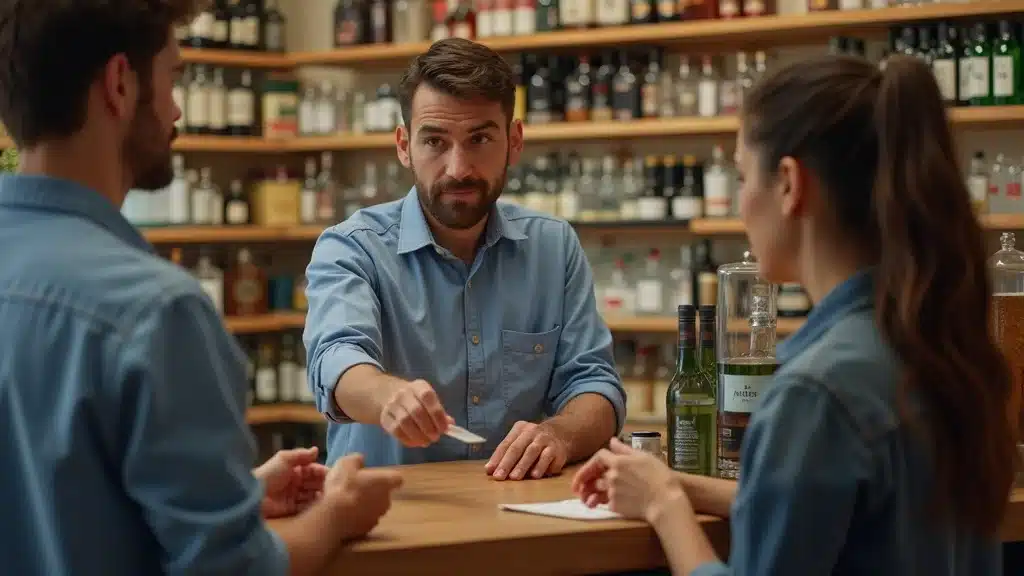
Alcohol sales are usually restricted after 7 p. m. , and virtually all liquor stores remain closed on Sundays—with rare exceptions made by local referendum for select Sundays or holidays. For both retail and hospitality establishments, sales to anyone under 21 are strictly forbidden, as is selling outside of the allowed window. Attempting to skirt these laws can result in heavy fines, suspended licenses, or loss of business. This means constant vigilance and rigorous employee training are required to ensure every transaction is fully compliant with evolving laws. For consumers, always remember to bring valid, government-issued identification—and expect to have it checked, especially if you look younger than 40.
Sales on Sunday: What to Know About Sunday Restrictions
One of the more unique aspects of alcohol law in South Carolina is the patchwork approach to sales on Sunday. By default, state law prohibits liquor store operations and restricts the sale of liquor entirely on Sundays. However, municipalities can hold referendums to allow Sunday sales for beer and wine—typically affecting grocery and convenience stores, but rarely liquor stores themselves. Restaurants and bars may serve alcoholic drinks on Sundays, but only if they’ve obtained a special permit and are located in areas that have passed the required local legislation. This means that in some places, you can purchase beer and wine on Sundays, while in others, you’ll find nothing for sale until Monday morning.
If you’re running a bar, restaurant, or convenience store, it’s important to verify your specific town or county’s stance on Sunday alcohol sales before advertising or serving. Violating these rules can result in fines or suspension of your operating license. For consumers, this means planning ahead, especially for events or gatherings falling on a Sunday. Remember—South Carolina’s Sunday alcohol restrictions maintain a strong presence, and knowing these nuances is essential for both compliance and convenience.
Beer, Wine, and Alcoholic Liquors: South Carolina Alcoholic Beverage Categories
South Carolina alcohol law makes a clear distinction between beer, wine, and alcoholic liquors, regulating each category separately in terms of licensing, distribution, and legal sale. This classification is important because it determines where and when you can purchase or serve these beverages and what licensing your business may require. For instance, the rules for selling beer and wine are less restrictive than those for hard liquor—which may only be sold through licensed stores and during certain hours. Understanding these distinctions ensures all parties comply with the law and avoid heavy liabilities.
For businesses, especially those serving alcohol in bars and restaurants, knowing which licenses cover which types of alcoholic beverages is more than just administrative detail—it is a crucial component of legal compliance, insurance eligibility, and long-term operational success. For consumers, this means varying levels of convenience (or restriction) depending on the type of beverage they wish to enjoy. Staying informed about South Carolina’s categorical regulations is one of the most effective strategies for smooth business operations and trouble-free social occasions.
What Is Considered Beer and Wine in South Carolina?
Beer and wine are widely available throughout the state, but each is clearly defined under South Carolina alcohol law. Beer is broadly classified as any beverage containing 5% alcohol by weight or less, made by fermentation from barley, malt, hops, and similar grains. Wine, on the other hand, includes any beverage produced from the fermentation of grapes or other fruits containing no more than 21% alcohol by volume—exceeding which, it is typically regulated as a spirit.
Both beer and wine can be legally sold in grocery stores, convenience stores, and specialty retailers that possess the appropriate licenses. Hours for sales are often governed at the county or municipal level, so it’s not uncommon to find counties with extended sale times or restrictions due to voter referenda. These beverages form the most accessible segment of the alcohol market—though even here, serving or selling to anyone under the drinking age in South Carolina carries the same legal risks as with liquor sales. Business owners must ensure staff are strictly trained, ID checks are consistently enforced, and compliance is maintained to minimize incidents and avoid severe penalties.
Alcoholic Liquors: Regulations and Licensing
Regulation of alcoholic liquors is considerably stricter than that for beer and wine. According to South Carolina’s alcohol law, “alcoholic liquor” refers to distilled spirits intended for beverage purposes, with over 21% alcohol by volume. These beverages can only be sold by licensed package stores (also known as red dot or ABC stores) and may not be sold in grocery or convenience stores. These stores are mandated to close by 7 p. m. Monday through Saturday and cannot operate at all on Sundays or most major holidays.
Anyone wishing to operate a liquor store or serve distilled spirits in an on-premise setting (like a bar or restaurant) must obtain the appropriate license through the state Department of Revenue and comply with regular inspections and strict recordkeeping. Failure to follow these provisions can result in license revocation and even criminal charges, further illustrating the importance of understanding both the letter and the spirit of South Carolina’s alcoholic liquor regulations.
Alcohol Server Training and Certification in South Carolina
One of the most significant recent developments in alcohol law is the emphasis on alcohol server training. South Carolina now requires most alcohol servers to complete state-approved training to ensure they understand legal responsibilities, proper identification techniques, how to recognize intoxication, and effective intervention strategies to prevent illegal sales or service. This change is designed to reduce incidents of intoxication, underage drinking, and legal liability, protecting patrons and businesses alike.
For employers, ensuring compliance with alcohol server training requirements is a critical step for business risk management and insurance eligibility. Servers without proper certification expose the business to significant fines and may even lead to suspension or loss of liquor licenses. For employees, server training equips them with practical skills not only to recognize fake id usage but to intervene safely when needed—all while protecting their own employment status and the public at large.
Why Alcohol Server Training Is Required
Alcohol server training is now essential in South Carolina and plays a pivotal role in the safe and responsible sale of alcohol in South Carolina across all establishments. The program covers everything from understanding the state’s complex alcohol laws to practical steps on how to prevent service to minors, recognize signs of intoxication, and manage challenging customer situations. Trained servers help reduce the risk of both alcohol-related accidents and legal actions against their employers, which is especially important given the heightened liquor liability attached to bars and restaurants.
For business owners, investing in alcohol server training enhances compliance, protects against fines, and reduces liquor liability insurance costs. Many insurance providers require proof of training for all staff before issuing or renewing policies. For servers, state-approved certification is not just a job requirement—it’s a key professional credential. Regular refresher courses and policy updates keep everyone on the same page as new legal challenges or reforms arise, facilitating a culture of ongoing responsibility and safety in the South Carolina nightlife and hospitality scene.
Alcohol Server Training Programs and Certification Process
State-approved alcohol server training programs in South Carolina typically include interactive, in-person, or online courses. Employees are taught core concepts such as carding procedures, the importance of refusing service to visibly intoxicated patrons, and the liability risks of ignoring red flags. Upon passing an exam at the end of the course, individuals receive documentation that must be kept on file for labor inspectors and licensing authorities. Some programs even offer advanced modules for managers and owners, expanding awareness around compliance, legal shifts, and updating best practices.
- Who must complete alcohol server training? Virtually all servers and sellers in licensed establishments, including bartenders, waitstaff, and store clerks.
- Penalties for non-compliance: Establishments employing uncertified servers risk fines, license suspension, or increased insurance costs.
- Role in preventing legal liability: Proper training safeguards businesses by demonstrating good faith and due diligence, which can mitigate liability in lawsuits related to accidents, underage drinking, or drunk driving incidents.
Liquor Liability: Responsibilities for Alcohol Service
Perhaps the most significant challenge for bars, restaurants, and stores operating in South Carolina is managing liquor liability. In this state, establishments can be held responsible for harm caused by intoxicated customers—especially if the business served alcohol when it shouldn’t have. This broad liability applies not just to on-site accidents, but also to incidents like drunk driving, which can result in personal injury lawsuits, criminal charges, and major civil penalties. For this reason, even a single lapse in judgment or paperwork can put your entire operation at risk, underlining the importance of liquor liability insurance and a rigorous server training program.
Knowing where, when, and to whom you can legally sell alcohol is only part of the equation. It’s just as crucial to understand your duty to monitor consumption, verify IDs, and intervene when patrons appear intoxicated. Effective compliance requires a firm grasp of alcohol law as well as practical, real-world experience in spotting potential risks. For business owners, a combination of staff training, stringent operational policies, and comprehensive liability insurance is the gold standard for risk mitigation in South Carolina’s challenging regulatory climate.
What Is Liquor Liability and Why Does It Matter?
Liquor liability refers to the legal responsibility of businesses and servers who sell or provide alcohol in South Carolina for damages or injuries caused by intoxicated patrons. When a bar or restaurant fails to refuse service to an obviously impaired customer, it opens itself up to massive legal claims and lawsuits—especially if that individual goes on to cause harm off-premises, such as in a drunk driver incident. State and local courts have consistently reinforced that serving establishments can face both civil and criminal penalties, leading to costly settlements, business closures, or even jail time for negligent parties.
This immense legal exposure is why every business in the alcohol sales sector must prioritize server training, strict identification protocols (to avoid fake id risks), and purchasing adequate liquor liability insurance. The latter helps protect assets and ensures ongoing business viability, even when human error or unavoidable mistakes occur. As a South Carolina liquor liability insurance specialist, I strongly advise every operator to treat this coverage not as an optional extra, but as the cornerstone of a sound risk management plan.

Legal Liability for Businesses Serving Alcohol
For businesses engaged in alcohol service, legal liability extends far beyond the walls of your bar, restaurant, or liquor store. Under South Carolina law, owners and managers can be prosecuted or sued for crimes or accidents arising from improperly served alcohol—even if the incident occurs miles away from the point of sale. For example, if a server ignores warning signs and continues to serve an obviously intoxicated person who then causes a traffic accident, both the individual and the business can face devastating legal and financial consequences.
Key elements affecting liability include failure to check IDs (enabling fake id purchases), not enforcing the drinking age, or serving after legal hours. The best defense against such risk is threefold: comprehensive alcohol server training for all front-line employees, clear recordkeeping to document diligence and refusal of service, and robust liquor liability insurance to offset potential damages. Minimizing liability is not just about legal compliance—it’s about safeguarding your livelihood, reputation, and community standing.
How to Protect Your Business with Liquor Liability Insurance
Liquor liability insurance is a non-negotiable element in the risk management plan for any South Carolina enterprise selling or serving alcohol. This specialized policy protects businesses from financial damages resulting from lawsuits, injuries, or property damage caused by intoxicated patrons. Coverage often extends to legal defense costs, medical payments, and settlements or judgments reached in court. Failing to invest in appropriate coverage can result in personal financial loss, closure of the business, or protracted legal battles that devastate resources.
Most insurance providers tailor policies to the specific risks of South Carolina’s alcohol law environment, considering factors like hours of operation, staff training levels, server certification status, and previous compliance history. Prioritizing proper training and demonstrating a strong track record of legal compliance can help lower your premiums and avoid policy exclusions. If you need guidance, consult a specialist in South Carolina liquor liability insurance to ensure your protection is comprehensive and up-to-date. For deeper insight or to get started, visit Liquor Liability Insurance.
Alcohol Law Compliance: Avoiding Common Legal Pitfalls
Staying compliant with alcohol law in South Carolina involves more than memorizing statutes—it demands actionable steps at every point of sale or service to minimize risk. Most legal pitfalls occur due to oversight or complacency: neglecting to update server training, letting staff get comfortable with ID checks, failing to maintain proper insurance policies, or misinterpreting nuances around sales on Sunday. With severe penalties only one violation away (including fines, license loss, or days in jail), vigilance is your ally.
A smart compliance program should incorporate regular refresher training, consistent review of local ordinances (which may change with referendums or city council action), robust recordkeeping (for server certifications and denied sales), and periodic consultation with insurance experts. Owners who embed compliance in their culture enjoy smoother operations, reduced litigation risk, and higher standing within their communities. Remember: in South Carolina, ignorance of the law is never excused, and the cost of mistakes is simply too high to ignore.
Recognizing and Preventing Fake ID Use
The use of a fake id to circumvent the legal drinking age is a persistent challenge for retailers, bars, and restaurants across South Carolina. With sophisticated new counterfeiting technologies, spotting false IDs can be increasingly difficult for untrained staff. This is why alcohol server training must always stress proven ID-checking techniques, reference guides for state identification, and proper use of electronic scanners. Refusing to accept student IDs, out-of-date cards, or identification showing any sign of tampering is standard protocol for anyone selling alcohol in South Carolina.
A zero-tolerance policy on fake id use sends a clear message to employees and patrons while preventing substantial fines, criminal charges, or liability lawsuits that may come from a single negligent transaction. Investing in technologies and recurring staff education is a small price to pay when weighed against the possible business and legal fallout from serving alcohol to underage patrons.
Drunk Driver Laws and Host Responsibility in South Carolina
South Carolina’s approach to drunk driver laws is equally strict—making it critical for hosts and businesses serving alcohol to understand their roles in prevention. Under “dram shop” liability, an establishment serving a visibly impaired patron can be held responsible if that individual is subsequently involved in an accident or causes harm. Prosecutors and victims’ families may pursue both civil and criminal action against the business and the server involved. In tragedy’s wake, this legal exposure can mean not only financial ruin, but irreparable reputational damage.
To reduce risk, host responsibility includes refusing further service to intoxicated guests, calling alternative transportation, and demonstrating through policy and training that every reasonable step was taken to prevent an incident. Failure to do so can sharply increase insurance costs and spell the end for careless operators. It is always better to err on the side of caution, and to ensure every employee understands the real stakes behind responsible alcohol service in South Carolina.
The Meaning Behind the Three Red Dots: Iconic South Carolina Liquor Stores
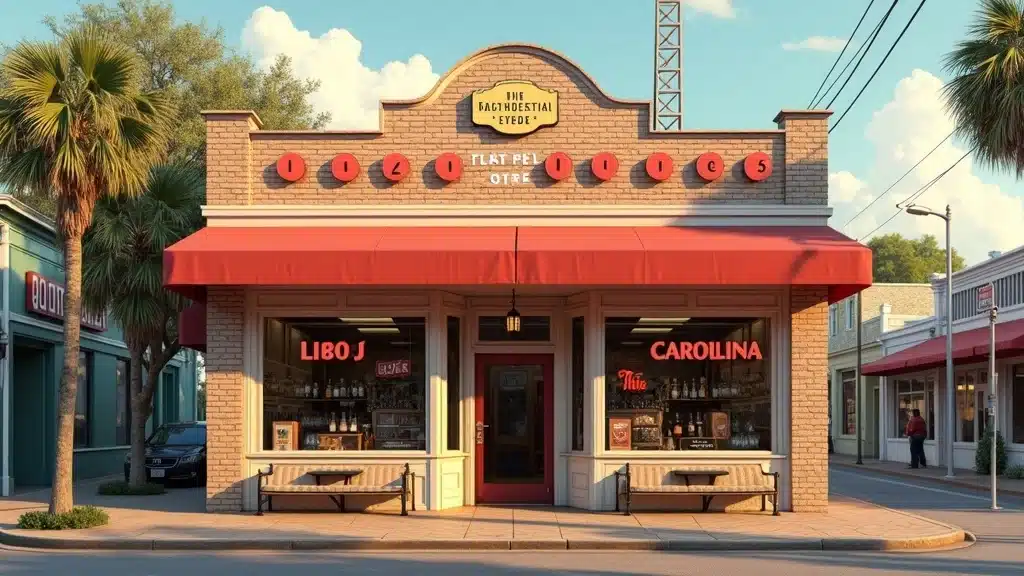
Few symbols are as instantly recognizable in South Carolina’s alcohol landscape as the famous “three red dots” found above the doors of package liquor stores. This quirky tradition started as a way to signal alcohol availability without explicit signage—a relic of more restrictive eras in the state’s alcohol law history. Over time, the red dots became as iconic as the laws themselves, representing both a nod to the past and a clear visual cue for those seeking spirits outside of bars and restaurants.
Today, while other states have abandoned such coded signage, South Carolina’s red dot tradition persists, entwined with local lore and the specifics of how liquor sales are regulated. Understanding the story behind these markers is more than trivia; it’s a reminder of how cultural attitudes, legal reforms, and business practice all intersect under the state’s evolving alcohol laws. For both residents and newcomers, red dots serve as a unique part of South Carolina’s social and regulatory heritage—one of many small but meaningful details in the journey to understanding what to know about South Carolina alcohol laws.
Historical Context of Red Dots and State Alcohol Laws
The origin of the red dot system is rooted in the restrictive nature of past alcohol law in South Carolina. When liquor sales were tightly regulated and overt advertising or mention of “liquor” was prohibited, store owners began marking their businesses with three prominent red dots—a symbol easily spotted by those in the know. This allowed customers to identify package stores without legal risk to operators or excessive public scrutiny. In many ways, the dots offered a discrete method of communication, preserving privacy while enabling commerce despite strict social mores.
As time progressed and attitudes toward alcohol sales thawed, the need for such discretion waned, but the tradition lingered. Even today, newly established liquor stores often display the three red dots as a signal of legitimacy, evoking nostalgia but also serving as a warning to patrons about the boundaries of legal purchase. For the historian, the dots tell the story of resistance, adaptation, and eventual normalization—a microcosm of South Carolina’s larger journey with alcohol in south carolina.
Current Regulations for Retail Liquor Stores
Today, South Carolina’s liquor stores operate under clear state statutes that establish strict hours, licensing standards, and operational rules—yet many still proudly bear the red dots as a visual heritage. Sales are permitted only from Monday through Saturday from 9 a. m. until 7 p. m. , with all locations closed on Sundays and most holidays. Store layouts, age verification protocols, and even proximity limits to schools or churches are carefully regulated under modern alcohol law. Failure to adhere to these rules can result in costly penalties or closure.
For those operating—or patronizing—liquor stores in South Carolina, knowing these contemporary requirements is essential. The red dots may now be more tradition than law, but the operational realities remain just as important, closing the gap between a colorful past and a heavily regulated present.
“The three red dots are not just a symbol—they’re a relic of a time when South Carolina did things differently with alcohol sales and regulation.”
Watch: Animated explainer on the evolution of South Carolina alcohol laws and the symbolism of the three red dots — features historic images, modern compliance scenes, and easy-to-understand animations for business owners and patrons.
People Also Ask About South Carolina Alcohol Laws
Does South Carolina have strict liquor laws?
Yes, South Carolina is known for its strict liquor laws. The state controls sales through detailed statutes limiting hours, requiring specialized licenses, enforcing server training, imposing severe penalties for serving underage or intoxicated patrons, and applying unique restrictions such as Sunday sales bans. These tough laws protect public safety and hold both businesses and servers to high standards of compliance.
How many drinks is the 0.08 alcohol limit?
The 0. 08 blood alcohol concentration (BAC) limit is the maximum allowed for drivers over 21 in South Carolina. The number of drinks it takes to reach 0. 08 BAC can vary widely by individual—factors such as body weight, gender, metabolism, and rate of consumption play significant roles. As a rule of thumb, most people reach 0. 08 after two to four standard drinks in an hour, but this is not a safe guideline for everyone. The safest approach is to avoid driving after any alcohol consumption.
Why do liquor stores in South Carolina have three red dots?
The three red dots are a historic tradition dating back to a time when explicit “liquor store” signs were not permitted statewide. Owners used three red dots as a discrete signal for customers seeking alcohol. Today, the red dots remain a unique legal and cultural marker, symbolizing South Carolina’s storied relationship with alcohol regulation.
Can you buy beer 24 hours a day in South Carolina?
No, you cannot buy beer 24 hours a day in South Carolina. Beer (and wine) sales are restricted to licensed hours set by local ordinances, typically not later than midnight and only during permitted days. Statewide, no alcohol sales—beer, wine, or liquor—are allowed during prohibited hours, on Sundays (except where specially permitted), or on certain holidays.
FAQs: What to Know About South Carolina Alcohol Laws
- Do I need a permit for alcohol service at events in South Carolina? Yes, temporary event permits for alcohol service are required. Apply with the South Carolina Department of Revenue, and follow all relevant alcohol law guidelines for age and sales compliance.
- What are the penalties for serving alcohol to minors? Serving alcohol to anyone under 21 is a criminal offense in South Carolina, punishable by substantial fines, potential suspension or revocation of licenses, and in severe cases, days in jail or even license loss for repeat offenders.
- Are there differences in alcohol law between counties? Yes. Many aspects, such as permitted sale hours and Sunday sales, are governed by local referendums. Always check with your county or municipality for additional rules beyond statewide requirements.
- How do I become a certified alcohol server in South Carolina? Complete a state-approved alcohol server training course, pass the certification exam, and ensure your credentials are kept current and on file with your employer.
- Is there a difference between beer, wine, and liquor laws? Yes. Each has unique definitions, sales regulations, and licensing requirements under South Carolina alcohol law. Beer and wine are generally more widely available than hard liquor, which has tighter controls and sale restrictions.
Key Takeaways: What to Know About South Carolina Alcohol Laws Today
- South Carolina has unique and often strict alcohol laws affecting drinking age, alcohol sales, and business liability.
- Comprehensive server training and liquor liability insurance are essential for compliance and safety.
- Being informed about state-specific rules helps avoid costly legal mistakes.
Secure Your Business: Learn More About Liquor Liability Insurance
For expert guidance and to protect your business, visitLiquor Liability Insurance.
If you’re ready to take your compliance and risk management to the next level, consider exploring the broader landscape of South Carolina liquor liability insurance. Understanding the full spectrum of coverage options and legal protections can empower you to make informed decisions that safeguard your business, your staff, and your patrons. Whether you’re a seasoned operator or new to the industry, staying proactive about insurance and compliance is the key to long-term success in South Carolina’s evolving alcohol market. Dive deeper into expert resources to ensure your establishment is prepared for every challenge and opportunity that comes your way.
Sources
- South Carolina Department of Revenue – Alcohol Beverage Licensing – https://dor.sc.gov/tax/abl
- South Carolina Alcoholic Beverage Control Act – https://www.scstatehouse.gov/code/t61c002.php
- South Carolina Department of Public Safety – Traffic & Alcohol Laws – https://www.scdps.gov/sctrafficlaws
- North Carolina ABC Commission – https://abc.nc.gov/
- Georgia Department of Revenue – Alcohol & Tobacco Division – https://dor.georgia.gov/alcohol-tobacco/alcohol
South Carolina’s alcohol laws encompass regulations on consumption, possession, sales, and driving under the influence (DUI). Age Restrictions: – Individuals under 21 are prohibited from purchasing, attempting to purchase, consuming, or possessing alcoholic beverages. Violations can result in fines up to $200, imprisonment for up to 30 days, mandatory alcohol prevention programs, and driver’s license suspension for 120 days on a first offense. (sc. lawforkids. org) Sales Regulations: – Retail liquor sales are permitted from 9 a. m. to 7 p. m. , Monday through Saturday; Sunday sales are generally prohibited unless local referendums allow beer and wine sales. (en. wikipedia. org) – Ready-to-drink cocktails are classified based on their alcohol content and base ingredient, affecting their sale and distribution. (dor. sc. gov) Driving Under the Influence (DUI): – Operating a vehicle with a blood alcohol concentration (BAC) of 0. 08% or higher is illegal. Penalties for a first offense include fines up to $400, imprisonment from 48 hours to 30 days, and a six-month driver’s license suspension. (scdps. sc. gov) Open Container Laws: – Possessing an open container of beer or wine in a moving vehicle is prohibited, except in the trunk or luggage compartment. Violations can lead to fines up to $100 or imprisonment for up to 30 days. (scdps. sc. gov) Underage Drinking: – Adults are prohibited from providing alcohol to individuals under 21. Penalties include fines up to $1,075 and potential imprisonment. (daodas. sc. gov) For comprehensive information, refer to the South Carolina Code of Laws Title 61, which details regulations on alcohol and alcoholic beverages. (law. justia. com)
