What to Know About Alcohol Service Liability Risks
Did you know that even a single misstep in serving alcohol could cost a South Carolina business hundreds of thousands in liability claims? The risk is real and can blindside even the most diligent owners and social hosts. Whether you manage a bustling bar or host private gatherings, understanding what to know about alcohol service liability is the difference between safeguarding your reputation and facing fallout from legal, financial, or safety lapses. This comprehensive guide draws from expert insights in South Carolina’s unique legal landscape, giving you the tools to tackle dram shop liability, shop laws, and insurance cover needs like a pro.
Revealing the Reality: Alcohol Service Liability Risks in South Carolina
The landscape of alcohol service liability in South Carolina is as dynamic as it is unforgiving. With liquor liability laws and dram shop regulations holding both businesses and private hosts accountable for serving alcohol, the margin for error is razor-thin. South Carolina’s dram shop laws place a clear responsibility on any individual or establishment that serves alcoholic beverages—whether it’s a trendy downtown bar serving craft cocktails or a neighbor pouring wine at a private event. If an intoxicated patron causes harm or property damage, you could be held liable for the consequences, regardless of intent or awareness.
Unfortunately, many local business owners learn the hard way that even one oversight can lead to staggering legal fees and insurance payouts. With incidents involving intoxicated or underage guests drawing intense scrutiny from authorities, state law, and insurance providers, understanding shop liability is no longer optional; it’s essential. Businesses that fail to document compliance, properly train staff, or secure liquor liability coverage may find themselves on the wrong side of a lawsuit, making proactive education and risk management crucial for survival in today’s hospitality environment.
“Many business owners underestimate the true extent of their exposure to alcohol service liability until a single incident unveils costly risks.” — South Carolina Liquor Liability Insurance Specialist
What You’ll Learn About Alcohol Service Liability
- Key definitions: what to know about alcohol service liability
- Main categories of liability for serving alcohol
- How dram shop liability and liquor liability insurance work in South Carolina
- Regulatory requirements, consequences, and best practices for responsible alcohol service
- Expert recommendations on reducing liability exposure
Understanding What to Know About Alcohol Service Liability

Defining Alcohol Service Liability: Core Concepts
Alcohol service liability is the legal responsibility that falls on businesses, social hosts, and staff who serve alcohol to others. In South Carolina, this concept is central to both dram shop liability and social host liability laws, which determine when someone can be held liable for damages or injuries caused by an intoxicated patron or guest. At its core, alcohol service liability refers to the risk that a mistake—such as serving alcohol to an intoxicated or underage individual—could lead to serious legal consequences. These risks aren’t limited to bars or nightclubs: they extend to private events, catered gatherings, and even holiday parties where alcoholic beverages are available.
Understanding the scope of this liability starts with knowing local liability laws and what actions—or lack thereof—could trigger claims. Whether you are a business owner applying for a liquor license or hosting a private event at your home, it’s critical to recognize the markers that courts, insurers, and regulators look at: did you take reasonable steps to ensure responsible alcohol service? Did you provide staff with a training program tailored to dram shop laws or liability coverage requirements? Legal responsibility is not just a theoretical risk; it is the basis for real-world lawsuits and administrative actions every year in South Carolina.
To further strengthen your understanding of how dram shop liability specifically impacts South Carolina businesses, it’s helpful to review real-world scenarios and compliance strategies. For a deeper dive into dram shop law essentials and actionable steps for bar and restaurant owners, explore the comprehensive guide to dram shop liability in South Carolina.
The Legal Foundation of Liquor Liability, Dram Shop Liability, and Social Host Responsibility
The legal foundation for liability in serving alcohol revolves around several key areas. Dram shop liability applies primarily to commercial establishments—such as bars and restaurants—that serve alcohol to patrons who then cause harm to themselves or others. South Carolina law allows injured parties to file claims against these establishments if they can prove negligence or failure to follow proper procedures. Liquor liability extends to maintaining insurance cover, which is now essential for business owners to protect against such claims.
On the other hand, social host liability applies to private individuals who provide alcohol during personal gatherings. Though less regulated than dram shop laws, social hosts can still be held accountable if an intoxicated guest goes on to cause property damage or personal injury. Understanding the key differences between dram shop, host liquor liability, and general liability insurance is vital, as each comes with specific implications and requirements under South Carolina law.
Why Responsible Alcohol Service Is Essential for Businesses and Hosts
For both businesses and private hosts, responsible alcohol service is not just about following the law—it’s about proactively minimizing risk and protecting reputations. Serving alcohol responsibly reduces the chance of accidents, DUI-related incidents, and injuries linked to intoxicated patrons. When a business fails to enforce a robust responsible alcohol policy, it not only exposes itself to lawsuits but also jeopardizes its license and insurance status.
Private hosts, meanwhile, can avoid potentially devastating personal liability by understanding their obligations under social host laws and host liquor liability policies. Formal staff training programs, clear alcohol service policies, and strict documentation protocols all form the backbone of effective risk reduction. Ultimately, investing time and resources in responsible alcohol service demonstrates commitment to guest safety and shields against the potentially ruinous costs of being held liable in a dram shop or social host claim.
Categories of Liabilities for Serving Alcohol
- Liquor liability for businesses
- Dram shop liability for bars and restaurants
- Social host liability for private events
People Also Ask: What are the categories of liabilities for serving alcohol?
Answer: Types of Alcohol Service Liability Exposures
Liability exposures for serving alcohol generally fall into three main categories: liquor liability, dram shop liability, and social host liability. Liquor liability refers to the broad legal responsibility that any business owner or entity with a liquor license faces if their provision of alcohol leads to harm. This includes claims resulting from property damage, bodily injury, or even fatalities connected to intoxicated patrons. Dram shop liability is a legal doctrine holding commercial sellers of alcohol—bars, restaurants, and similar establishments—accountable if they provide alcohol to an intoxicated or underage person who then causes injury or damage.
Social host liability, on the other hand, applies to non-commercial environments like private parties. Here, the host may be held liable if an intoxicated guest injures another party or damages property after being served alcohol. South Carolina law recognizes all three types, meaning every provider—commercial or private—needs to know the full range of potential risks and required liability coverage to truly be protected. This layered exposure is why responsible alcohol service is critical for anyone who serves alcohol in any context.
Legal Framework: Dram Shop Laws, Host Liquor Liability, and Regulatory Compliance

Key Differences: Dram Shop Liability vs. Social Host Liability
The main distinction between dram shop liability and social host liability lies in the environment where alcohol is served and the degree of legal scrutiny involved. Dram shop liability is enforced against commercial establishments such as bars, clubs, and restaurants that profit from the sale of alcohol. Under South Carolina dram shop laws, if one of these venues serves an obviously intoxicated person who later causes injury or property damage, the injured party can pursue damages from that establishment. These laws are stringent and are designed to encourage responsible alcohol sales and discourage risky service habits.
Conversely, social host liability targets non-commercial scenarios. A social host is someone who provides alcohol in their private capacity during social gatherings, weddings, barbecues, or tailgates. While the regulations governing social hosts are less explicit, the risks remain significant. A social host can be held accountable if they provide alcoholic beverages to an intoxicated or underage guest who then causes harm. Host liquor liability insurance is typically available to cover these risks. Understanding these distinctions helps you select the right insurance cover and adopt risk mitigation strategies appropriate to your alcohol service model.
Understanding Liability Laws in South Carolina: An Expert Explanation
South Carolina is known for its strict approach to liability law concerning the service of alcohol. The state enforces a robust legal framework encompassing dram shop liability law, which specifically holds establishments responsible for serving alcohol to intoxicated or underage patrons. If a personal injury or property damage results, courts will often examine not only whether the alcohol service was responsible but also the establishment’s compliance with state-mandated rules, such as server training and ID verification protocols.
Host liquor liability is similarly prevalent in South Carolina’s liability regulations. Employers hosting office parties or private individuals organizing celebrations must remain vigilant about who they serve and how much. Regulators often look for comprehensive incident documentation and visible compliance with responsible alcohol service requirements as part of their assessment following any incident. Failing to meet these requirements may lead to administrative action and possibly disqualification from key liability insurance protections, jeopardizing the future of your business or event.
How Administrative Liability Applies to Illegal Alcohol Service
Not all alcohol service liability risks result in civil lawsuits—some lead to administrative penalties that can be equally damaging. In South Carolina, serving alcohol illegally, such as to a minor or a clearly overserved patron, triggers regulatory responses from state authorities. Administrative liability refers to direct actions taken by licensing boards or regulatory agencies, including fines, suspension, or revocation of a liquor license.
This form of liability is about protecting the public and upholding standards in alcohol service. Administrative investigations can occur even when no injury has resulted, and penalties are typically swift and strict. Staying compliant through training, thorough ID verification, and adhering to established responsible alcohol service policies remains the best defense. Businesses must view administrative liability as another potential exposure requiring the right liquor liability coverage through dedicated liability policies.
People Also Ask: Can bartenders be blamed for DUIs?
Answer: When Bartenders and Servers Bear Legal Responsibility for DUIs
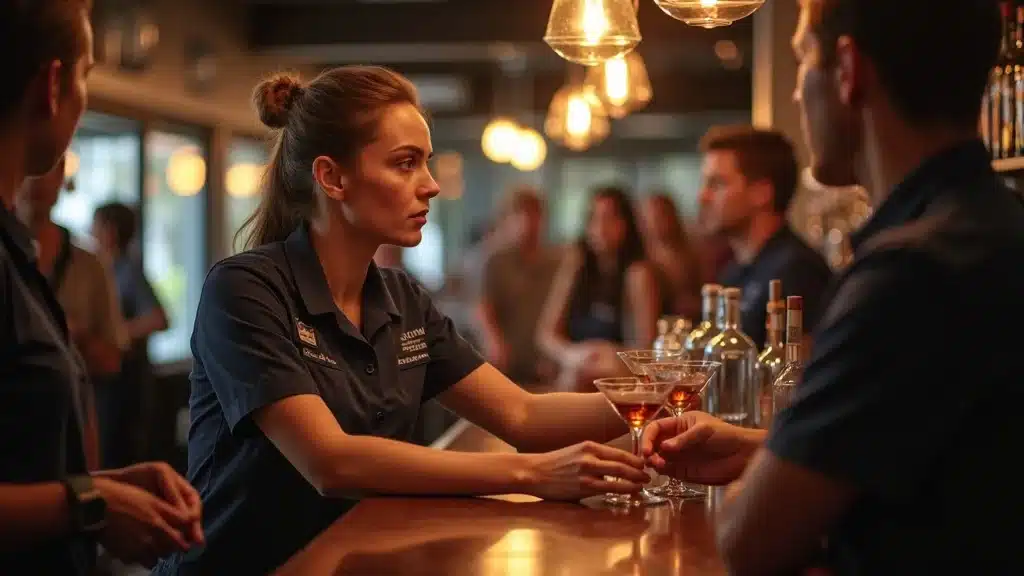
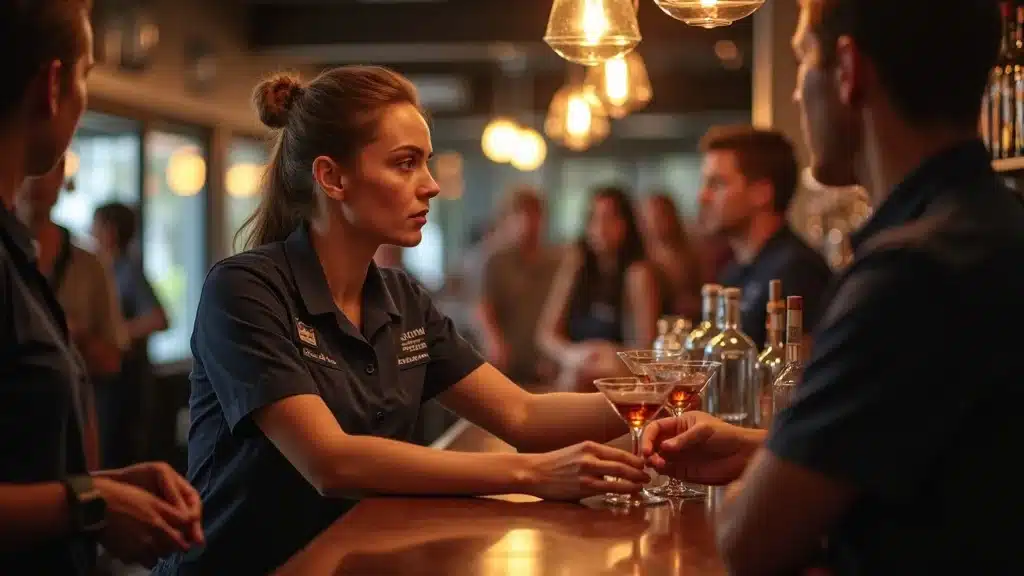
Under South Carolina dram shop law, bartenders and servers can absolutely be held liable for serving alcohol to someone who then causes a DUI-related accident. If a bartender continues to serve a visibly intoxicated patron or fails to check adequate identification, legal responsibility for the consequences of that guest’s actions may follow. Courts have ruled that businesses and individuals involved in alcohol service who neglect responsible practices—such as refusing service to intoxicated patrons—face lawsuits, license suspension, or steep fines.
It’s not uncommon for legal action to extend to the individual bartender or manager if evidence shows they disregarded responsible alcohol service requirements. A strong staff training program, proper documentation, and robust oversight stand as critical safeguards against these risks, reinforcing that every drink served comes with a duty of care to both the guest and the broader community.
Insurance Solutions: Liquor Liability Insurance and Related Liability Policies
| Insurance Type | What It Covers | Who Needs It |
|---|---|---|
| Liquor Liability Insurance | Claims arising from alcohol-related incidents | Bars, restaurants, caterers |
| Host Liquor Liability | Coverage for non-commercial hosts serving alcohol | Event hosts, employers |
| General Liability | Broader coverage for non-alcohol incidents | All businesses |
Why Liquor Liability Insurance Is Critical for South Carolina Businesses
Securing liquor liability insurance is not just about compliance—it’s a strategic shield against financial devastation. With South Carolina’s unforgiving dram shop and liability laws, even a minor incident can spiral into protracted lawsuits, settlement demands, or administrative penalties. Liquor liability insurance provides a lifeline by covering costs related to bodily injury, property damage, or legal defense when claims arise from incidents linked to your alcohol service. It also reassures landlords, investors, and regulators that your business is proactively managing its risks.
Such insurance cover is tailored to the unique exposures found in bars, restaurants, catering companies, and private events. Moreover, host liquor liability fills the gap for non-commercial settings where social hosts might be liable under South Carolina law. Failure to obtain adequate liability coverage not only threatens your financial stability but could also result in business closure if a claim occurs. For business owners serious about longevity and community safety, liquor liability insurance is as critical as any physical security measure.

What Does Liquor Liability Insurance Cover?
Liquor liability insurance, sometimes called dram shop coverage, is designed to defend your business or private event against claims resulting from the service of alcohol. Policies usually cover legal defense costs and settlements linked to bodily injury or property damage where your alcohol service is alleged to be a contributing factor. For example, if a patron you served causes a car accident or property damage as a result of being intoxicated, your liquor liability insurance policy can address the resulting financial fallout.
Coverage extends to accusations of serving underage persons, failing to verify IDs, and overlooked risks tied to overserving guests. Some policies provide extra protection for intoxicated persons causing harm on your premises, and others offer host liquor liability options for non-commercial clients. Knowing your policy’s exclusions is crucial: general liability insurance typically does not respond to claims related to the sale or service of alcohol, making dedicated liquor liability insurance an essential layer of risk management for South Carolina establishments.
People Also Ask: What is an example of a liquor liability claim?
Answer: Typical Scenarios and Claims Handled by Liquor Liability Insurance
A classic liquor liability claim might occur when a bar serves multiple drinks to a guest who already appears intoxicated. After leaving the establishment, that individual is involved in a car crash that results in injuries to a third party. The injured party sues the bar, alleging their alcohol service enabled the incident. Under South Carolina dram shop law, the bar can be held responsible for damages.
Another example could involve a private host (protected by host liquor liability) who neglects to monitor alcohol consumption at a house party. If an underage or obviously intoxicated guest leaves and causes harm, both the host and their insurer may face claims. Such cases highlight the importance of proper liability coverage and diligent responsible alcohol service practices—no matter the scale or nature of the event.
People Also Ask: Can liability for illegal alcohol service be administrative?
Answer: Administrative Penalties and Enforcement in South Carolina
Yes—liability for illegal alcohol service can absolutely be administrative as well as civil or criminal. In South Carolina, regulatory agencies can impose fines, require mandatory retraining, suspend, or even revoke a liquor license when an establishment or private event is found violating dram shop or alcohol service laws. Administrative liability often arises from insufficient staff training program implementation, inadequate documentation, or recurring violations spotted during compliance checks.
Beyond monetary penalties, administrative actions send a strong signal to the business community and public about the seriousness of responsible alcohol service. Developing comprehensive documentation and incident tracking systems, alongside scalable training initiatives, significantly reduces the risk of administrative censure. Proactive compliance is not just about “checking boxes”—it demonstrates your long-term commitment to guest safety and South Carolina’s high standards for liquor liability.
Practical Strategies for Responsible Alcohol Service

- Staff training requirements (responsible alcohol, dram shop law awareness)
- Implementing ID verification systems
- Establishing clear service and cutoff policies
- Documenting incidents and compliance efforts
Putting responsible alcohol service into practice starts long before the first drink is poured. Robust and recurring staff training programs are vital, ensuring every team member understands dram shop laws, refuses service to intoxicated patrons, and knows the legal implications of poor judgment. Investing in digital or manual ID verification systems also helps catch mistakes before they escalate into liability claims.
Another essential strategy is adopting clear, written service policies—including criteria for refusing service and mandatory documentation of all alcohol-related incidents. Consistently recording these details not only prepares your defense should a claim occur but also demonstrates your commitment to regulatory compliance during inspections. Taken together, these best practices build a culture of safety, minimize exposures, and reinforce your standing with insurers, regulators, and the public alike.
Lists: Most Common Mistakes Leading to Alcohol Service Liability
- Serving visibly intoxicated guests
- Not checking identification adequately
- Lack of staff training on social host liability
- Ignoring state-specific dram shop laws
South Carolina’s Unique Dram Shop and Liquor Liability Landscape
State-Specific Regulations for Alcohol Service Liability
South Carolina’s dram shop and alcohol service liability framework stands apart for its rigor. Recent regulatory updates now require all businesses with a liquor license to maintain minimum levels of liability insurance for alcohol-related claims. Unlike some states, South Carolina’s dram shop laws allow for direct legal action against both the business and individual employees involved in a service mistake. This means a single lapse—like serving an obviously intoxicated person—can trigger lawsuits, insurance claims, and administrative actions, often simultaneously.
The state also maintains a high bar for compliance documentation and proactively searches for patterns of neglect through unannounced inspections. For private hosts, awareness of state law and the boundaries of social host liability is essential, especially during holidays or large gatherings. In all cases, the safest path is a layered approach: proper training, airtight documentation, ongoing risk assessment, and comprehensive insurance coverage.
Recent Legal Cases Highlighting Dram Shop Liability
Recent court decisions underscore how seriously South Carolina treats dram shop liability. In one landmark case, an establishment was found liable after serving multiple drinks to a patron who then caused a high-profile accident. The court looked at staff training records, surveillance footage, and even prior incident documentation when assigning liability. Such rulings demonstrate that meticulous compliance and training are no longer nice-to-have—they are essential defenses against substantial financial loss and reputational harm.
For private events, several cases have highlighted risk exposure for social hosts, such as parents allowing underage guests to consume alcohol at a graduation party. In these situations, having host liquor liability insurance and a clear, enforced responsible alcohol service policy proved vital in minimizing damages. These precedents serve as a stern warning: stay alert, stay compliant, and never underestimate the risks of serving alcohol in South Carolina.
Key Takeaways: What to Know About Alcohol Service Liability

- South Carolina imposes strict liability standards for alcohol service
- Proper liquor liability insurance is a must for businesses and hosts
- Comprehensive training and procedures are essential to reduce risks
FAQs: What to Know About Alcohol Service Liability
- What does South Carolina law say about dram shop liability?
South Carolina law allows for bars, restaurants, and other commercial establishments to be sued if they serve an intoxicated or underage guest who then causes injury or property damage. Dram shop liability is strictly enforced, with requirements for server training, documentation, and sufficient liquor liability coverage. - Who is required to carry liquor liability insurance?
Any business or organization with a South Carolina liquor license serving alcohol to the public must carry liquor liability insurance. Many venues also require proof of coverage for private events or caterers. Non-commercial hosts are strongly encouraged to obtain host liquor liability policies for protection. - Can a private party host be sued for over-serving alcohol?
Yes. Under social host liability rules, individuals hosting private parties in South Carolina can be held liable if an intoxicated or underage guest causes harm after being served alcohol. Host liquor liability coverage is recommended to mitigate these risks. - How do I get coverage for my business?
Contact a licensed insurance agent specializing in South Carolina liquor liability. They can tailor a policy to your needs, factoring in your type of business, capacity, and service model. Compare several policies to ensure comprehensive protection. - What are best resources for staff training on responsible alcohol service?
Industry-approved training courses like ServSafe Alcohol, TIPS, or state-specific dram shop and responsible alcohol service courses offer reliable education. Document every staff member’s completion and make training a regular part of your compliance strategy.
Expert Quotes on Alcohol Service Liability
“Investing in staff education and proper coverage doesn’t just protect your business — it saves lives and reputations.” — Industry veteran, South Carolina
Next Steps: Protect Your Business with Liquor Liability Insurance
Visithttps://scliquorliabilityinsurance.comto secure the right liquor liability insurance for your South Carolina business today.
Proactive training, diligent recordkeeping, and the right liquor liability coverage are your best defenses—start protecting your business today.
If you’re ready to take your risk management strategy to the next level, consider exploring the full spectrum of liquor liability insurance options available in South Carolina. The main site offers in-depth resources on policy selection, compliance updates, and expert tips tailored to your business or event needs. By staying informed and proactive, you can confidently navigate the evolving landscape of alcohol service liability and ensure your establishment is protected from every angle. Discover more about comprehensive coverage and advanced protection strategies at South Carolina Liquor Liability Insurance—your trusted partner in safeguarding your reputation and future.
Sources
- SC Liquor Liability Insurance – https://scliquorliabilityinsurance.com
- South Carolina Code of Laws – https://www.scstatehouse.gov/code/t61c002.php
- ServSafe Alcohol – https://www.servsafe.com/alcohol
- TIPS Alcohol Training – https://www.tipsalcohol.com
- National Restaurant Association – https://www.restaurant.org/education-and-resources/resource-library/liquor-liability
Understanding alcohol service liability is crucial for businesses and social hosts in South Carolina. The South Carolina Department of Revenue outlines comprehensive requirements for liquor liability insurance, alcohol server training, and digital ID verification to ensure compliance with state laws. (scrla. org) Additionally, the South Carolina Code of Laws mandates that establishments serving alcohol after 5 p. m. maintain a minimum of $1 million in liquor liability insurance coverage. (law. justia. com) By familiarizing yourself with these regulations and implementing responsible alcohol service practices, you can effectively mitigate liability risks and protect your business or event.
