
What to Know About Liquor Liability Claims South Carolina
Did you know that a single dram shop lawsuit in South Carolina can bankrupt a bar, with settlements soaring into the hundreds of thousands—even when venues believe they followed best practices? Understanding what to know about liquor liability claims South Carolina isn’t just for large restaurant groups. The legal and financial risks touch every business and professional involved in selling or serving alcohol— from family-owned taverns to event venues and social hosts. This guide uncovers the critical realities that South Carolina liquor license holders and operators must face, with real-world advice from industry leaders and legal experts.
Startling Facts About Liquor Liability in South Carolina
Across South Carolina, the surge in liquor liability claims has escalated risks for bars, restaurants, and anyone holding a liquor license. South Carolina’s dram shop laws create a unique landscape—making establishments liable for damages and personal injuries caused by customers who are served alcohol and later cause harm, such as drunk driving accidents or violence. According to the Department of Insurance, South Carolina consistently ranks among the states with the highest insurance claims related to liquor liability. For every highly publicized lawsuit, there are dozens of quietly settled cases that impact insurance cost and the livelihoods of business owners. These facts underscore why robust risk mitigation and vigilance in alcohol service are non-negotiable for anyone involved in the industry.

An expert’s perspective: “Too often, South Carolina bars and venues underestimate the financial and legal risks of liquor liability claims.”
What You’ll Learn in This Guide to Liquor Liability Claims South Carolina
- Critical aspects of liquor liability law in South Carolina
- Key differences between dram shop and liability insurance
- How liquor liability claims impact businesses and individuals
- Essential tips for securing proper liquor liability coverage
- Top mistakes South Carolina liquor license holders make
Understanding Liquor Liability: What to Know About Liquor Liability Claims South Carolina

What Is Liquor Liability and Why Does It Matter in South Carolina?
At its core, liquor liability involves the legal responsibility that bars, restaurants, and other establishments face when serving alcohol. In South Carolina, this extends to anyone holding a liquor license, including event hosts and caterers. The stakes are especially high due to stringent liquor liability laws and an environment where claims can result from injuries, property damage, or personal tragedy after alcohol has been served. Whether the claim arises from an accident caused by a drunk driver or an altercation involving an intoxicated individual, South Carolina’s laws can make an establishment or even specific employees held responsible for resulting damages. This web of potential liability means that understanding—and proactively addressing—the legal expectations is critical for any business owner or alcohol server.
The reality is that liquor liability claims stretch far beyond large events or so-called “problem bars. ” Even a well-intentioned mistake in serving alcohol—such as failing to ID a patron or misjudging intoxication—can have catastrophic ripple effects for both business owners and staff. Given the financial and reputational consequences, staying up-to-date with risk mitigation, server training, and liquor liability insurance requirements is non-negotiable in South Carolina’s evolving hospitality landscape.
For a deeper dive into how specialized insurance policies can shield your business from the unique risks associated with alcohol service, explore the comprehensive guide on South Carolina liquor liability insurance essentials. This resource breaks down coverage options, policy requirements, and practical steps for securing the right protection.
Dram Shop Law Explained: The Backbone of South Carolina Liquor Liability
Dram shop law is the foundation of liquor liability law in South Carolina. Originating from statutes dating back to the 19th century, the term dram shop refers to any establishment that serves alcohol. South Carolina is distinct in that its shop laws allow injured parties (such as accident victims or their families) to file lawsuits not only against the direct perpetrator, like a drunk driver, but also against the venue or individual who served the alcohol. Critically, the law scrutinizes whether the establishment “knowingly served” a visibly intoxicated person or a minor—criteria that can ignite lengthy legal battles and significant court awards.
What makes South Carolina’s dram shop laws particularly challenging is their scope. They apply whether the damage occurs directly on premises or after the intoxicated person leaves, which amplifies the risk to business owners and increases the importance of diligent training and internal protocols. For those holding a liquor license, ignoring dram shop liability is not an option—a single lawsuit can shift the fate of a longstanding business or the career of an alcohol server.
“Dram shop cases in South Carolina show just how quickly a night out can turn into a long legal battle.”
Key Differences: Liquor Liability Insurance vs. Liability Insurance in South Carolina
Distinguishing between liquor liability insurance and standard liability insurance is crucial for protecting your business in South Carolina. General liability insurance typically covers injury or property damage claims unrelated to alcohol service—think slip-and-fall accidents or equipment failures. By contrast, liquor liability insurance is tailored specifically to risks arising from serving alcohol. It offers protection if a customer becomes intoxicated at your establishment and subsequently causes harm, organically linking to the requirements under the state’s dramatic dram shop laws.
Failing to carry proper liquor liability coverage can expose businesses to immense out-of-pocket costs and in some cases put compliance with local regulations at risk. For carolina liquor license holders, it’s paramount to understand not just the insurance premiums but also the exclusions, coverage limits, and legal obligations. Liability law in South Carolina doesn’t forgive ignorance; being adequately covered and fully informed is your best safeguard against the devastating financial impact of a liquor liability claim.
How South Carolina’s Liquor Liability Laws Affect Business and Individuals
South Carolina Liquor License Holders: Who Is Held Liable?
Anyone who possesses a liquor license in South Carolina faces potential personal and professional risk. This includes not just business owners, but also managers and, in some cases, servers who have direct responsibility for alcohol service. Under shop law, liability may follow the chain of service: if a minor or intoxicated individual is served and then causes harm, the business and specific employees can be held liable. Recent court cases have even expanded the net to include promoters and venue operators, especially at private events or pop-up functions.
Being held responsible can mean paying for personal injury, property damage, and even punitive damages—sometimes far exceeding what ordinary liability insurance might provide. As a result, a single oversight can threaten not just day-to-day operations, but the longevity and overall reputation of anyone connected to the sale or service of carolina liquor.
Understanding Who Can File a Liquor Liability Claim in South Carolina

Under liquor liability law, a wide array of parties may initiate a claim in South Carolina. This includes those directly injured—such as accident victims—as well as bystanders, families impacted by tragedy, and anyone experiencing losses stemming from serving alcohol to an intoxicated individual or minor. In the most severe scenarios, survivors of a personal injury accident or representatives of someone killed as the result of alcohol service can seek restitution from both the business and potentially individual stakeholders.
What sets South Carolina apart is the seriousness with which its courts now interpret dram shop laws. Lawsuits are not just hypothetical; they are actively pursued by personal injury attorneys and insurance companies seeking reimbursement. This underscores the vital need for comprehensive liquor liability coverage and clear procedures both on premises and at off-site events where carolina liquor is present.
Exploring Legal Precedents: Dram Shop and Liquor Liability Law in South Carolina
Legal precedent in South Carolina shows how the interpretation of dram shop law continues to evolve. High-profile cases have set new bars for the evidence required to hold establishments liable. For example, demonstrating whether staff followed proper alcohol server training or whether the venue had up-to-date liquor liability insurance can determine the outcome of a case. Local judges are increasingly sympathetic to victims, raising both the bar and the expectation for all liquor license holders.
Savvy business owners recognize that what happens elsewhere in the state can have a direct impact on how their own practices are scrutinized. Staying abreast of recent decisions—and ensuring your insurance policies and risk mitigation strategies reflect these realities—is now simply smart business, not just best practice.
Inside a Liquor Liability Claim: The Legal Process in South Carolina
Typical Steps in a South Carolina Liquor Liability Lawsuit

When a liquor liability incident occurs in South Carolina, the legal aftermath often unfolds in several defined stages. The process typically kicks off with a formal complaint, in which the injured party or their representative files a claim, identifying the business or server as a defendant under dram shop law. Discovery follows, where attorneys collect evidence—such as receipts, surveillance footage, and testimony from bartenders or patrons. Settlement negotiations may occur but, if unresolved, the case proceeds to court, where both sides present arguments and a judge or jury determines liability and damages.
While insurance companies may step in to defend their policyholders, not all liquor liability insurance policies cover every type of legal claim. Missed steps in risk mitigation or gaps in liquor liability coverage can lead to devastating out-of-pocket exposure for business owners. This process is not only time-consuming and costly but also brings unwanted public scrutiny and reputational harm.
Liability Coverage: What Liquor Liability Insurance Really Protects Against
A strong liquor liability insurance policy shields bars, restaurants, and other liquor license holders from the financial fallout of lawsuits related to alcohol service. This includes not just settlements for personal injury and property damage, but also associated legal defense costs. However, the protection is not absolute. Typical policies may exclude acts of willful misconduct, serving known minors, or claims occurring outside the scope of licensed operations. Understanding the nuances—what’s included, what’s excluded, and how much coverage you truly have—is essential for effective risk mitigation.
Given that South Carolina’s legal environment is increasingly litigious, your liquor liability coverage should be robust, up-to-date, and regularly reviewed. Only then can you avoid a scenario where an insurer denies coverage, leaving you facing the full brunt of a costly verdict.
Your Rights and Obligations Under South Carolina Liquor Liability Law
The law offers both rights and strict obligations for those involved in the sale and service of alcohol in South Carolina. Business owners are entitled to legal representation and, with proper coverage, insurance-backed defense. But with these rights come obligations: maintaining valid liquor licenses, training staff in responsible service, and ensuring continuous compliance with all state and local liability law requirements. Failing to meet these can mean not just civil penalties, but also administrative actions from licensing and the department of insurance.
Being proactive—anticipating how the law might be interpreted and having the right liquor liability insurance—is now as fundamental as complying with fire codes or health regulations. Waiting until after an incident occurs is rarely a defense in court.
Comparison of Liquor Liability Law, Liability Insurance, and Dram Shop Law Protections in South Carolina
| Protection Type | What It Covers | Who It Applies To | Policy/Legal Limits |
|---|---|---|---|
| Liquor Liability Law | Legal obligations for serving alcohol, including responsibility for injuries and damages caused by intoxicated patrons or minors. | Liquor license holders, business owners, individual servers, promoters | State law, case-by-case determination |
| Dram Shop Law | Legal framework for lawsuits against establishments serving intoxicated patrons/minors who cause harm. | Bars, restaurants, event venues, off-site caterers | Unlimited jury awards subject to court findings |
| General Liability Insurance | Non-alcohol related injury/property damage, e.g., slip-and-fall, non-liquor incidents. | All businesses (including those without liquor licenses) | Policy limits as agreed with insurer |
| Liquor Liability Insurance | Claims arising directly from serving alcohol (drunk driving, fights, incidents tied to intoxication). | South Carolina liquor license holders, event organizers, hosts | Policy limits & exclusions set by insurer |
Preventing Liquor Liability Claims: Proactive Steps for South Carolina Businesses
The Role of Server Training in Reducing Liquor Liability Claims
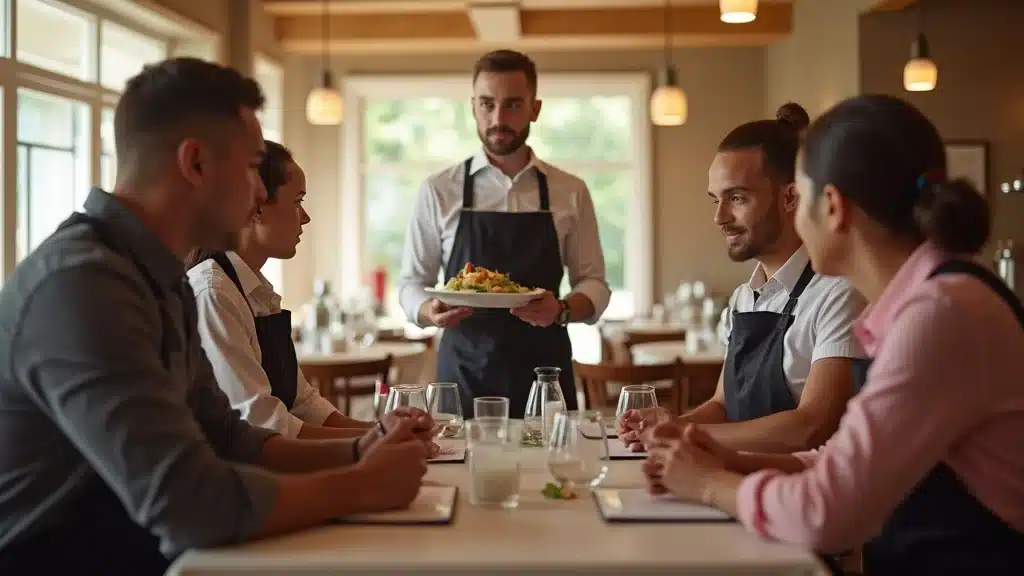
Quality server training is the first—and in many cases, best—line of defense against liquor liability lawsuits. In South Carolina, businesses that invest in alcohol server training programs are not only reducing their risk but also signaling to courts and insurers that they take liability law compliance seriously. Effective training should focus on spotting signs of intoxication, refusing service responsibly, and documenting both incidents and interventions.
The state’s general assembly and department of insurance champion ongoing education for servers. In fact, some liquor liability insurance policies require proof of training before issuing coverage or honoring claims. For those serving or selling alcohol, taking server training is not just smart—it’s essential for protecting your business and avoiding the potentially career-ending outcome of being held liable.
Practical Tips for Maintaining Proper Liquor Liability Insurance

Staying protected requires more than just purchasing a one-time policy. Here are practical tips for maintaining effective liquor liability coverage in South Carolina: Review your liquor liability insurance annually with a knowledgeable agent, focusing on exclusions and adequacy of limits. Update your policy if your service model changes—such as adding events, expanding hours, or increasing staff. Cooperate fully with your insurer’s risk assessments to identify gaps before a claim arises. Require all employees to participate in regular server training—and document compliance. Keep all insurance and training certificates accessible for both inspections and emergency legal situations. Neglecting these steps can result in unexpected coverage gaps, inflated insurance cost, and even denied claims when you need protection most.
Why Reviewing Insurance Premiums and Coverage Is Critical for South Carolina Liquor License Holders
With insurance premiums on the rise—driven by a surge in dram shop lawsuits—South Carolina liquor license holders can’t afford to treat their policies as “set it and forget it. ” Routinely reviewing both the cost and scope of your liquor liability insurance should be part of every annual business plan. This means scrutinizing policy limits, researching updates in liability law, and seeking competitive quotes from reputable providers specializing in hospitality risks.
A proactive review can reveal outdated coverage, loopholes, or more affordable alternatives better suited to your specific business model. With legal expectations—and awards—only increasing, no business owner should assume yesterday’s coverage is enough for tomorrow’s risks.
People Also Ask: What to Know About Liquor Liability Claims South Carolina
What is the statute of limitations for liquor liability claims in South Carolina?
The statute of limitations for filing a liquor liability claim in South Carolina is typically three years from the date of the incident or injury, though certain circumstances can affect this period. It is important for both claimants and business owners to act quickly, as missing this window can forfeit the right to seek damages or defend against a claim. Consulting an attorney promptly is recommended whenever a potential liability case arises.
Who can be sued under South Carolina dram shop law?
Anyone involved in selling, serving, or furnishing alcohol—including bar owners, restaurants, individual servers, promoters, and event organizers—may be sued under the state’s dram shop law if they are accused of serving alcohol to a visibly intoxicated individual or minor. This broad scope underscores the importance of training and having adequate liquor liability insurance in South Carolina.
Does South Carolina require liquor liability insurance for all establishments?

While South Carolina does not require liquor liability insurance for every type of establishment statewide, many local jurisdictions and private event venues do mandate coverage as a condition of licensing or leasing. Additionally, insurance is considered a best practice for all businesses exposed to dram shop liability, as it is often the only realistic way to pay for legal fees, settlements, or court-mandated awards arising from alcohol service incidents.
FAQs: Common Concerns About Liquor Liability Claims South Carolina
- Can individuals be personally liable under liquor liability law?
Yes. In South Carolina, not only businesses but also individuals, such as servers, managers, and promoters, may be held liable or sued under dram shop law if they negligently serve alcohol in violation of state regulations. - Does liquor liability insurance cover legal fees?
Most comprehensive liquor liability insurance policies include legal defense costs for covered claims, but it is critical to verify this with your provider and understand all exclusions. - Are there exclusions in liquor liability insurance policies?
Yes. Common exclusions include incidents involving knowingly serving minors, acts outside of business premises, or willful and intentional misconduct. Always read your policy’s exclusions carefully.
Key Takeaways: What to Know About Liquor Liability Claims South Carolina
- South Carolina’s liquor liability legal landscape is complex.
- Dram shop law increases risk for liquor license holders.
- Proper liquor liability insurance is non-negotiable.
- Ongoing server training and policy reviews are vital safeguards.
Protect Your Business: Secure the Right Liquor Liability Insurance Today
Don’t risk your livelihood—consult a South Carolina liquor liability expert and review your insurance today. Liquor Liability Insurance
If you’re ready to take your risk management strategy to the next level, consider exploring the broader landscape of South Carolina liquor liability insurance and how it fits into a comprehensive business protection plan. Understanding the nuances of coverage, evolving legal standards, and proactive prevention can empower you to make informed decisions that safeguard your business for years to come. Whether you’re a seasoned operator or new to the industry, staying ahead of regulatory changes and insurance innovations is key to long-term success. Dive deeper into expert resources to ensure your establishment is prepared for whatever challenges may arise.
Sources
- South Carolina General Assembly – https://www.scstatehouse.gov/code/t61c004.php
- South Carolina Department of Insurance – https://doi.sc.gov/
- SC Liquor Liability Insurance – https://scliquorliabilityinsurance.com
- Nolo: South Carolina Liquor Liability Laws – https://www.nolo.com/legal-encyclopedia/south-carolina-liquor-liability-laws.html
- ABCBiz: SC Liquor Liability Insurance – https://www.abcbiz.com/south-carolina-liquor-liability-insurance/
Understanding liquor liability claims in South Carolina is crucial for businesses involved in the sale or service of alcohol. The state’s dram shop laws hold establishments accountable for damages caused by intoxicated patrons, including incidents like drunk driving accidents or assaults. This legal framework underscores the importance of comprehensive liquor liability insurance to protect against potential financial and legal repercussions. Recent legislative changes, effective January 1, 2026, have introduced significant reforms. Act 42 (H. 3430) aims to balance the insurance burdens on businesses while ensuring fair liability distribution in alcohol-related incidents. Notably, the law mandates that establishments serving alcohol after 5 p. m. maintain a liquor liability insurance policy with an annual aggregate limit of at least one million dollars, unless they qualify under a risk mitigation program. (law. justia. com) For businesses, it’s essential to distinguish between general liability insurance and liquor liability insurance. While general liability policies typically exclude alcohol-related claims, liquor liability insurance specifically covers incidents arising from the service of alcohol, such as injuries caused by intoxicated patrons. This specialized coverage is vital for bars, restaurants, and event venues to safeguard against potential lawsuits and financial losses. (hecos. com) To mitigate risks, establishments should invest in comprehensive server training programs. Proper training helps staff identify signs of intoxication, enforce age restrictions, and handle situations responsibly, thereby reducing the likelihood of liability claims. Additionally, regular reviews of insurance policies and adherence to state regulations are crucial steps in protecting both the business and its patrons. In summary, staying informed about South Carolina’s liquor liability laws and proactively implementing risk management strategies are essential for any business involved in alcohol service. By securing appropriate insurance coverage and prioritizing responsible service practices, establishments can navigate the complexities of liquor liability and ensure their long-term success.
