
What to Know About South Carolina Intoxication Laws Now
Did you know that a single public intoxication charge in South Carolina can remain on your record for years, affecting both your career and driving privileges—even if you were simply walking home after a night out? Understanding what to know about South Carolina intoxication laws is crucial for anyone living in or visiting the Palmetto State. Whether you’re a resident, business owner, or parent of a college student, this guide breaks down the key information you need to stay safe and in compliance with the law.
The Surprising Reality: Understanding What to Know About South Carolina Intoxication Laws
Most people assume public intoxication in South Carolina is just about “drunk and disorderly” behavior, but the truth is far more complex. South Carolina has strict laws that differentiate between public intoxication, disorderly conduct, and driving under the influence (DUI). Each carries distinct penalties and long-term consequences, which can impact not only your criminal record but also your personal and professional life.
If you find yourself facing an intoxication charge or related offense, it is essential to understand the unique language, definitions, and possible outcomes within South Carolina law. From how a police officer interprets “public place” to the ways a law firm can defend your case, the details matter. Let’s review the facts and preventative steps that can make all the difference in protecting your rights.

Startling Facts About Public Intoxication in South Carolina
Contrary to popular belief, you don’t need to be causing a scene to be arrested for public intoxication in South Carolina. Simply appearing “grossly intoxicated” in a public place can result in a public intoxication charge. According to the South Carolina code, being visibly impaired or disruptive in any area open to the public can lead to legal trouble—even if you haven’t broken any other laws.
For businesses, this can mean liability if patrons leave the premises while intoxicated and subsequently face charges elsewhere. The law also places an obligation on business owners and employees to recognize the signs of intoxication and take appropriate action. This level of responsibility increases the importance of proper training, legal awareness, and risk management.
For those managing or working in establishments that serve alcohol, understanding the nuances of liability is just as important as knowing the law itself. If you want to explore how liquor liability insurance can protect your business from the financial fallout of intoxication-related incidents, this guide to South Carolina liquor liability insurance offers practical insights and coverage options tailored to local regulations.
How South Carolina Intoxication Laws Affect Residents and Businesses
For South Carolina residents, the consequences of violating intoxication in South Carolina statutes extend well beyond fines and possible jail time. A conviction can remain on your criminal record, influencing employment background checks, insurance rates, and even personal reputation. Local businesses, especially those serving alcohol, must comply with strict regulations and can face significant penalties—including license suspension—for allowing grossly intoxicated individuals to linger or cause disturbances.
Understanding what to know about South Carolina intoxication laws is therefore critical not only for individuals, but also for those operating or working in hospitality, event management, and related sectors. Both residents and business owners are advised to seek professional support and proactive training to avoid costly legal missteps.
What You’ll Learn About South Carolina Intoxication Laws
- Key definitions in what to know about South Carolina intoxication laws
- Differences between public intoxication and disorderly conduct
- Steps involved in a public intoxication charge
- Consequences for violating intoxication in South Carolina statutes
- Defense strategies from a South Carolina law firm perspective
- FAQs related to intoxication in South Carolina
Essential Terms in What to Know About South Carolina Intoxication Laws
Defining Intoxication in South Carolina
The term “intoxication” in South Carolina law generally refers to a state of extreme impairment caused by alcohol or drugs. According to the South Carolina code, being “grossly intoxicated” means exhibiting an apparent and significant loss of normal mental or physical faculties, whether through voluntary consumption of alcohol, illegal substances, or prescribed medication. This legal definition is crucial, as a police officer doesn’t need to perform a chemical test to decide if someone appears intoxicated—their assessment is based on visible signs such as slurred speech, inability to walk straight, or erratic behavior in a public place.
Knowing the precise meaning of intoxication in South Carolina is essential, as it sets the stage for understanding what is required for a public intoxication charge and subsequent legal action. Furthermore, this definition affects the approach a defense lawyer or criminal defense attorney will take when representing a client accused under these statutes.

Public Place and Public Intoxication in South Carolina
One of the most misunderstood terms in South Carolina intoxication law is “public place. ” According to the statute, a public place can be any location accessible or visible to the general public, including streets, sidewalks, parks, and even the steps outside a private residence. The broad definition means that individuals may be seen as “in public” even if they are near, but not within, a business establishment or public event.
This wide net means you could be charged with public intoxication in South Carolina without entering a bar or public venue—being on a public sidewalk or outside a sporting event is enough. Businesses must also be vigilant, as incidents that originate on their premises can still result in liability if patrons move onto adjacent public areas while intoxicated.
Difference Between Public Intoxication and Disorderly Conduct in South Carolina
Although the terms are often used interchangeably, public intoxication and disorderly conduct are distinct legal charges under South Carolina law. Public intoxication involves simply being grossly intoxicated in a public place, while disorderly conduct usually requires behavior that is disruptive, offensive, or threatening to public order—such as shouting obscenities, fighting, or causing a scene.
It’s possible to be charged with both offenses from a single incident, especially if a police officer perceives that intoxication contributed to threatening or dangerous behavior. Understanding this distinction is vital for anyone facing conduct charges, as the legal strategies and potential penalties can differ significantly. A seasoned criminal defense attorney can help clarify the charges and advocate for the most favorable outcome.
How Public Intoxication Laws Work in South Carolina: Public Intoxication in South Carolina Explained
South Carolina law does not hesitate when it comes to maintaining public order. Public intoxication in South Carolina is typically treated as a misdemeanor, with consequences ranging from fines to possible jail time. The charge does not require proof of disruptive behavior—just sufficient observation by a police officer that the accused person is grossly intoxicated in a public place.
In most cases, the key steps in a public intoxication charge are:
- The individual is observed in a public place.
- A law enforcement officer notes signs of gross intoxication.
- An arrest or citation is issued, followed by potential booking or release with a summons.
- The individual is required to appear in court, where evidence and legal defenses may be presented.
| Key Aspect | Public Intoxication | Disorderly Conduct | Example Scenario |
|---|---|---|---|
| Definition | Gross intoxication in a public place, regardless of behavior | Offensive, threatening, or disruptive conduct in public | Intoxicated and slurring words on a sidewalk vs. Yelling obscenities at a public event |
| Required Proof | Visible signs of intoxication, no specific disruptive act needed | Engagement in prohibited or dangerous public behavior | Officer observes staggering vs. Witness sees physical altercation |
| Typical Penalties | Fine, possible jail time, criminal record | Fine, jail time, criminal record and further restrictions (e.g., no-contact orders) | Up to 30 days in jail; employment impact |
Elements of a Public Intoxication Charge in South Carolina
For a public intoxication charge to stick in South Carolina, prosecutors must prove that the defendant was both grossly intoxicated and in a public place. “Gross intoxication” refers to substantial impairment, not just having had a drink. Symptoms can include loss of balance, incoherent speech, or an inability to follow basic commands. The prosecution does not need a breathalyzer or blood test—an officer’s observation is often sufficient.
Location is just as critical. Courts will consider whether the accused was on public property or somewhere easily accessible by the public, such as the lobby of an apartment building, outdoor parks, or even a public parking lot. Understanding these elements can be the difference between a conviction and a dismissal. That’s why consulting with a defense lawyer or law firm immediately can dramatically impact your defense.

Gross Intoxication and Its Legal Ramifications
The distinction between minor and gross intoxication is crucial under South Carolina law. “Grossly intoxicated” individuals are considered legally unable to care for themselves or pose a danger to public safety. The ramifications extend beyond an initial arrest; gross intoxication can lead to enhanced penalties, repeated offenses, or—if paired with disruptive behavior—upgraded charges like disorderly conduct or even assault.
Businesses that continue serving someone who is grossly intoxicated can also face heavy fines or even loss of liquor licenses. For individuals, repeat offenses can result in escalating legal outcomes, and for non-citizens, even single convictions can impact immigration status. Awareness of these details, and seeking legal counsel, is essential when facing any intoxication-related charge.
Disorderly Conduct Charge and Conduct in South Carolina: What to Know
What Constitutes Disorderly Conduct in South Carolina
Disorderly conduct in South Carolina is defined as any action that disturbs the public order, peace, or safety. This can include using obscene language, threatening behavior, fighting, or other disruptive activities in public places. Importantly, a person does not have to be intoxicated to face a disorderly conduct charge; however, alcohol or drug consumption frequently plays a role in these incidents.
Some state and local ordinances impose even stricter standards for behavior in places like parks, beaches, and entertainment venues. Violations can trigger additional penalties, such as exclusion from public events and community service. Knowing the range of behaviors included under conduct in South Carolina law is key to avoiding accidental violations.
Disorderly Conduct Charges: Penalties and Procedures
Penalties for disorderly conduct charges can be significant, with possible outcomes including fines, community service, short-term jail time, and a lasting criminal record. The legal process typically begins with an arrest or citation, followed by arraignment in municipal or magistrate court. Defendants will have a chance to present their case, but conviction can occur quickly if not properly defended.
A conviction for public disorderly conduct or disorderly conduct in South Carolina often carries additional long-term consequences, including the loss of professional licenses, increased scrutiny on background checks, and heightened penalties for subsequent offenses. Fast action and knowledgeable representation from a criminal defense attorney or a specialized law firm can strongly influence the outcome.
Conditional Discharge Options for Intoxication Charges in South Carolina
How a Conditional Discharge Works for Intoxication in South Carolina
A unique feature under South Carolina law is the conditional discharge option for certain first-time offenders. If eligible and granted by the court, a conditional discharge allows an individual to complete specific requirements—like community service or treatment—without an immediate conviction. Upon successful completion, charges may be dismissed, helping the individual avoid a permanent criminal record and the corresponding collateral consequences.
This process highlights the importance of consulting a skilled defense lawyer or law firm familiar with conditional discharge terms in South Carolina. Navigating this process successfully can lead to a true second chance and minimize the life-altering effects of an initial mistake.
“A deep understanding of what to know about South Carolina intoxication laws could be the difference between a costly conviction and a fresh start.”

The Role of Criminal Defense Lawyers and Law Firms in Alcohol-Related Cases
Why Consulting a Defense Lawyer is Vital for South Carolina Public Intoxication Charges
Facing a public intoxication charge or other alcohol-related offense is not something to navigate alone. The complexities of South Carolina code, procedural hurdles, and the potential for harsh penalties mean that an experienced defense lawyer is indispensable. Legal professionals can identify weaknesses in the prosecution’s evidence, negotiate for reduced charges, or pursue conditional discharge wherever appropriate.
The right criminal defense attorney makes a significant difference in both outcome and stress reduction for clients. They help you understand the possible collateral effects on your employment, education, and reputation, while crafting a strategy centered on your best interests. Promptly contacting the law after a charge is one of the most effective steps you can take if faced with intoxication charges.
Choosing the Right Law Firm for Intoxication Charges in South Carolina
Not every law firm is created equal, especially when handling the nuances of intoxication in South Carolina. Look for firms with a proven track record in criminal defense, a thorough understanding of local statutes, and experience with alcohol- and drug-related offenses. Client testimonials, successful case summaries, and active engagement with state legal associations are all positive signals.
Most importantly, select a firm that prioritizes clear communication, offers a personalized defense strategy, and maintains a nonjudgmental approach. You want representation that is both aggressive in court and compassionate in handling sensitive personal details, ensuring you get the strongest defense and the best possible path forward.
Alcohol and Motor Vehicle Offenses: What to Know About DUI and Intoxication in South Carolina
Key Differences: Public Intoxication vs. DUI in South Carolina
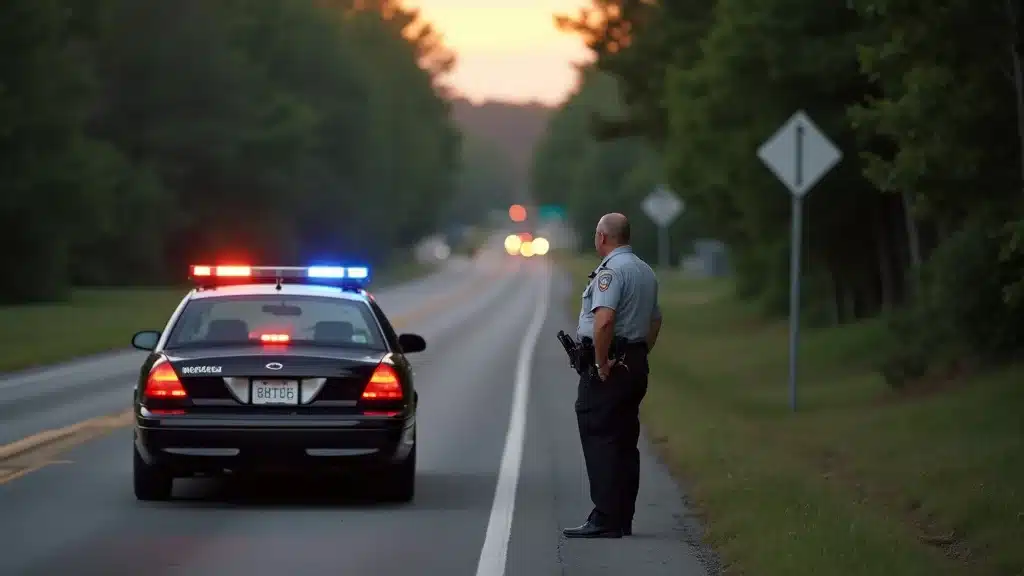
While both DUI and public intoxication in South Carolina involve alcohol-induced impairment, their legal thresholds and penalties differ sharply. DUI (Driving Under the Influence) is reserved for impaired operation of a motor vehicle, requiring specific evidence—typically a blood alcohol content (BAC) of 0. 08% for adults. Public intoxication, on the other hand, focuses on gross impairment in public without needing proof of driving or traffic violations.
Consequences for DUI are generally more severe, including mandatory license suspension, hefty fines, and potential jail time. However, a public intoxication charge can still trigger substantial disruptions in your personal and professional life. Recognizing the differences and potential overlap is essential when defending against either offense in court.
How Motor Vehicle Laws Interact with Intoxication Charges
Motor vehicle laws in South Carolina have special provisions for drivers under 21, commercial license holders, and repeat offenders. Zero-tolerance laws mean that anyone under 21 caught operating a vehicle with a BAC of just 0. 02% or higher faces automatic penalties—regardless of actual impairment. For commercial drivers, the bar is even lower at 0. 04% BAC. Repeat offenses compound penalties and may lead to felony charges if injury or death results from impaired driving.
It’s common for DUI and public intoxication charges to arise from the same traffic stop or incident if the police officer determines someone is both too impaired to drive and also behaving inappropriately in a public setting after exiting the vehicle. In all such cases, the support of a well-versed law firm is crucial to securing the best defense and mitigating negative impacts.
Consequences of Public Intoxication, Disorderly Conduct, and DUI in South Carolina
Short-Term and Long-Term Effects on Your Criminal Record
An arrest or conviction for public intoxication, disorderly conduct, or a DUI can have immediate and lasting effects. In the short term, you might face fines, jail time, community service, and mandatory alcohol education programs. More importantly, these convictions become part of your criminal record, visible on background checks and potentially affecting licenses, certifications, and professional opportunities.
Long-term consequences can include increased penalties if charged again, as South Carolina treats recidivism harshly under its carolina law. Prospective employers, colleges, and landlords may also be hesitant to consider candidates with criminal histories involving substance abuse, making early intervention and legal advocacy vital for those trying to move forward.
Collateral Consequences: Insurance, Employment, and Personal Life
Collateral consequences are non-criminal penalties that follow from a conviction. Insurance premiums can rise sharply, especially for those with DUI convictions. Drivers may face prolonged or permanent license suspension and difficulty obtaining affordable coverage. For business owners, an employee’s or customer’s intoxication incident can trigger higher risk ratings and premiums for liability insurance.
Employment prospects may also suffer. Many industries—especially education, transportation, and government—conduct detailed background checks and may disqualify applicants with alcohol-related convictions. On a personal level, relationships and reputations may be impacted due to stigma or court-imposed restrictions. To reduce these risks, it’s vital to acquire a thorough understanding of both your rights and responsibilities under South Carolina law.
“Even a single public intoxication charge can have far-reaching consequences in South Carolina—protecting your future means understanding your rights and responsibilities.”
Best Practices for Avoiding Intoxication Charges in South Carolina
- Stay informed about what constitutes public and gross intoxication in South Carolina.
- Avoid consuming alcohol in prohibited public places.
- Understand the link between disorderly conduct and intoxication.
- Consult with a South Carolina criminal defense lawyer promptly if charged.
People Also Ask About What to Know About South Carolina Intoxication Laws
Is SC a zero tolerance state?
South Carolina follows zero tolerance policies for drivers under 21 regarding alcohol consumption. Anyone under 21 found driving with a blood alcohol content (BAC) of 0.02% or higher can face charges.

How long does it take for a DUI to come off your record in SC?
A DUI conviction in South Carolina stays on your criminal record indefinitely, but may come off your driving record after ten years for insurance purposes.
Is a DUI now a felony in SC?
A DUI is typically a misdemeanor in South Carolina unless it involves multiple offenses or injuries/deaths, which can raise the charge to a felony.
How to beat a DUI in South Carolina?
Beating a DUI in South Carolina may involve challenging the traffic stop, field sobriety tests, or chemical testing procedure—contacting an experienced criminal defense attorney is critical.
Frequently Asked Questions: What to Know About South Carolina Intoxication Laws
- Can I be charged with public intoxication if I am not causing a disturbance?
Yes. You can be charged with public intoxication in South Carolina solely based on visible signs of gross intoxication in a public place—even without disruptive behavior. - What is the difference between public intoxication and disorderly conduct?
Public intoxication relates to visible impairment in public places, while disorderly conduct involves behavior that disrupts public peace regardless of intoxication status. - Are there diversion programs for first-time offenders of intoxication in South Carolina?
Yes, conditional discharge and diversion programs exist, but eligibility and requirements vary—consult a defense lawyer for guidance. - How does South Carolina define ‘public place’ in intoxication cases?
A public place is broadly defined as any area accessible to the public—including sidewalks, parks, and the fronts of business establishments. - Will an intoxication charge affect my insurance or employment opportunities?
Yes. Both insurance providers and employers often review criminal records during application processes; an intoxication conviction can have negative repercussions.
Key Takeaways: What to Know About South Carolina Intoxication Laws
- Understanding what to know about South Carolina intoxication laws is crucial for legal protection
- There are important differences between public intoxication, disorderly conduct, and DUI
- Consequences can impact legal records, insurance, and personal reputation
- Legal expertise from a South Carolina law firm or criminal defense lawyer enhances your defense
Next Steps: Protect Your Future With Comprehensive Knowledge and Support
Learn how liquor liability insurance can help mitigate risk for businesses and individuals in South Carolina—visitscliquorliabilityinsurance.comfor more details.
Conclusion: Stay Informed About What to Know About South Carolina Intoxication Laws
Understanding South Carolina intoxication laws safeguards your rights, reputation, and future—don’t leave your legal protection to chance.
If you’re ready to take your understanding of South Carolina intoxication laws to the next level, consider exploring the broader landscape of risk management for alcohol-serving establishments. Beyond legal compliance, proactive measures like specialized insurance can be a game-changer for both business owners and individuals. Discover how comprehensive liquor liability coverage can provide peace of mind and financial security by visiting South Carolina Liquor Liability Insurance. Empower yourself with advanced strategies to protect your future and navigate the complexities of alcohol-related laws with confidence.
Sources
- South Carolina Legislature – SC Code of Laws Title 16 Chapter 17
- South Carolina Department of Public Safety – https://www.scdps.sc.gov/
- South Carolina Bar: Disorderly Conduct Fact Sheet – https://www.scbar.org/public/get-legal-help/fact-sheets/disorderly-conduct/
- Liquor Liability Insurance – https://scliquorliabilityinsurance.com/
Understanding South Carolina’s intoxication laws is essential for residents and visitors alike. The South Carolina Department of Public Safety provides a comprehensive overview of impaired driving laws, detailing offenses such as driving under the influence (DUI) and the associated penalties. (scdps. sc. gov) Additionally, the South Carolina Code of Laws outlines regulations regarding the sale of alcoholic beverages to intoxicated individuals, emphasizing the responsibilities of establishments in preventing such sales. (law. justia. com) For a more in-depth understanding of public intoxication laws and potential defenses, the article “South Carolina Public Intoxication Laws and Penalties” offers valuable insights. (criminaldefenselawyer. com) By consulting these resources, you can gain a thorough understanding of the state’s intoxication laws and how they may affect you.
