
Opening Times:

9.00 AM - 5.00 PM

How Dram Shop Lawsuits Actually Work in South Carolina

Did you know? More than one-third of all fatal car accidents in South Carolina involve alcohol impairment. This statistic isn’t just alarming—it fundamentally raises the stakes for every bar, restaurant, and alcohol-licensed establishment in the state. If you serve alcohol in South Carolina, understanding how dram shop lawsuits work is no longer optional. It’s essential for the safety of your customers, the integrity of your business, and your bottom line.

“More than one-third of all fatal car accidents in South Carolina involve alcohol impairment, raising the stakes for every alcohol-licensed business.”

Increasing bar chart infographic illustrating alcohol-related car accidents in South Carolina, showing cars and bottles as data points for dram shop liability

Startling Statistics: Alcohol, Liability, and Dram Shop Lawsuits in South Carolina

In South Carolina, the interplay between alcohol service and liability is more significant—and more litigious—than in most states. According to the Department of Public Safety, nearly 36% of all traffic deaths in recent years had alcohol as a primary factor. This figure isn’t just a public health warning; it also illustrates why the number of dram shop lawsuits has surged, targeting bars, restaurants, nightclubs, and special event hosts alike.

Such statistics underscore the real-world exposure faced by alcohol-serving businesses statewide. Not only are these establishments potentially implicated in lawsuits following drunk driving accidents, but insurance companies and personal injury lawyers actively scour for violations of dram shop law after every incident. In the eyes of the law, it’s not just about who poured the drink, but about how, when, and to whom it was served. This context frames the urgent need for clear policies, staff training, legal awareness, and robust liquor liability insurance to minimize financial and reputational damage.

What You’ll Learn About How Dram Shop Lawsuits Work in South Carolina

  • The definition and scope of dram shop law in South Carolina
  • Who can be held liable in dram shop cases
  • Step-by-step process of a dram shop lawsuit
  • Differences between dram shop and social host liability
  • How to reduce exposure and protect your business

Understanding Dram Shop Law: The Foundation of Shop Liability in South Carolina

Dram Shop Law vs. General Shop Laws: Key Differences for South Carolina Businesses

General shop laws in South Carolina cover everyday business risks—slip and falls, property damage, and employee-related incidents. Dram shop law, however, is laser-focused on alcohol service and the specific responsibilities tied to it. Unlike general liability coverage, dram shop statutes directly address when a business can be held liable if a customer, after being served, causes injury to themselves or others—most commonly by drunk driving or assault.

For business owners, this legal distinction is not minor. The obligations surrounding alcohol service are strict: South Carolina makes it illegal to serve alcohol to visibly intoxicated persons or minors. If a bar, restaurant, or entertainment venue violates this rule and an injury or accident follows, plaintiffs—in collaboration with a law firm—may pursue damages under the dram shop statute, bypassing more generic injury laws. As enforcement intensifies, it’s clear that every alcohol-serving business must recognize the unique touchpoints where dram shop law applies, as exclusions and policy loopholes are often used by insurers to deny claims stemming from improper service.

What Is Dram Shop Liability and Why Does It Matter?

Dram shop liability is the legal concept holding establishments responsible when serving alcohol ends in harm. Rooted in the principle that businesses profit from alcohol sales, South Carolina dram shop laws are designed to prevent avoidable tragedies by placing accountability directly on providers.

The stakes for ignoring these laws are high: Lawsuits can include claims for medical bills, lost wages, pain and suffering, and even punitive damages. The reality is that being unaware or unprepared is no defense; failing to train staff or document refusals of service regularly leads to devastating financial consequences. In today’s regulatory landscape, dram shop liability isn’t abstract—it’s a daily operational risk, with every pour carrying potential exposure.

“Dram shop laws in South Carolina are designed to hold alcohol providers accountable for the real-world harm that can result from negligent service.”

Who Can Be Held Liable Under South Carolina Dram Shop Statutes?

Bars, Restaurants, and Shop Law: Types of Businesses Affected

South Carolina explicitly applies dram shop statutes to businesses licensed to serve alcohol: bars, grills, restaurants, clubs, breweries, and even event venues that hold special liquor licenses. All it takes is one lapse in judgment—serving an intoxicated or underage person—for an establishment to face liability in a shop case. Notably, South Carolina courts have underscored that licensees are responsible not only for what happens inside their premises but also for incidents that occur once a customer leaves, particularly if they become a drunk driver in a car accident or cause another driving accident.

Compared to social host situations, these businesses are under continuous legal scrutiny. Plaintiffs’ attorneys and insurance adjusters routinely audit sales data, video footage, and staff credentials in every dram shop case. The net effect is that failing to comply with shop law is effectively an invitation for expensive, drawn-out litigation that threatens not just profits but the survival of the entire business.

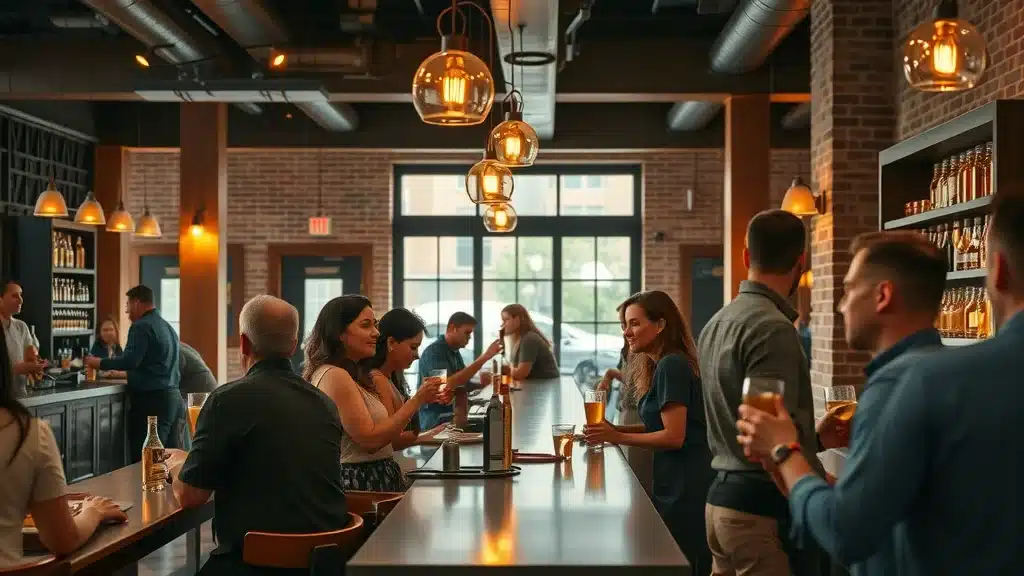
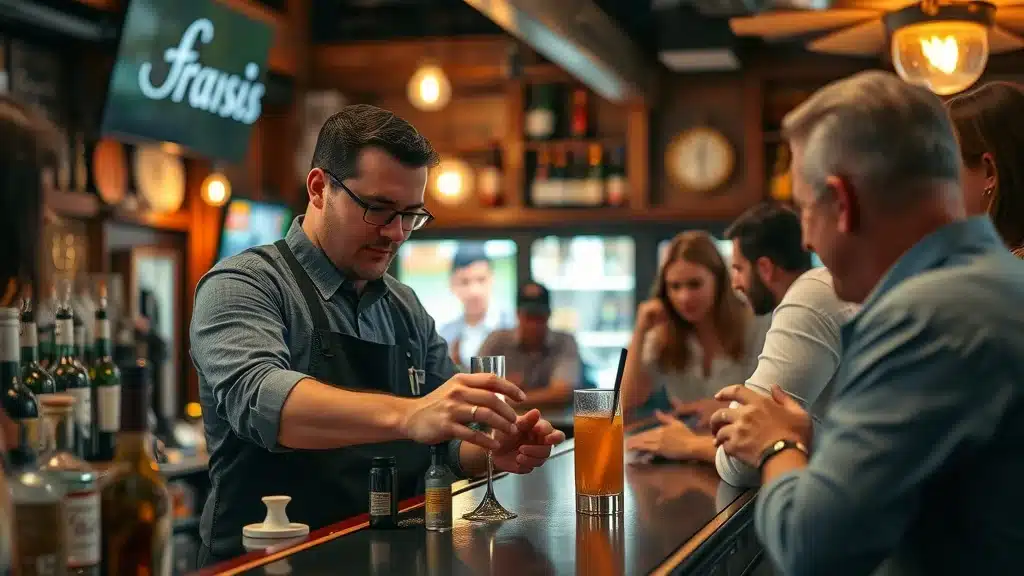
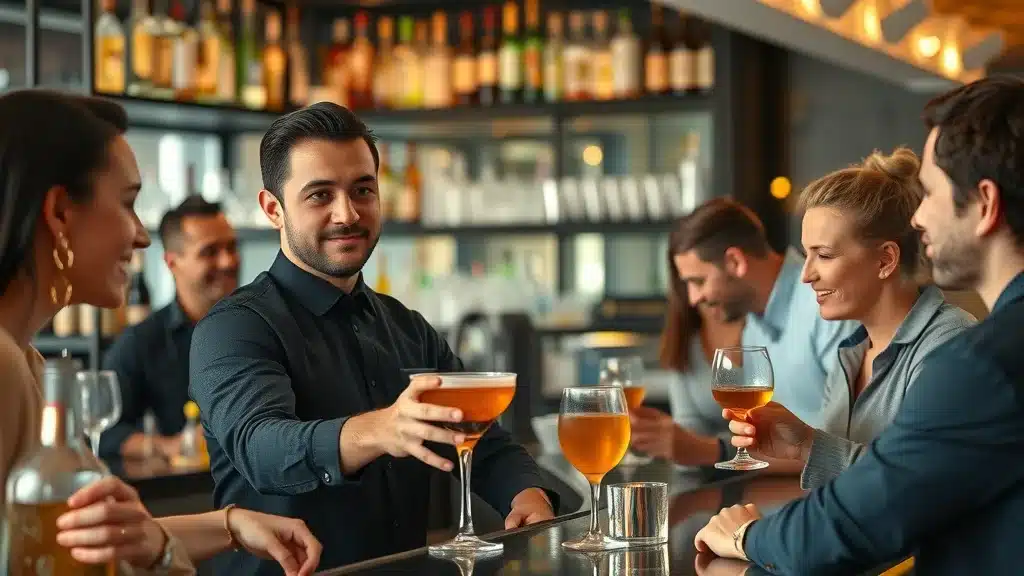
Bar scene representing dram shop liability in South Carolina; bartender serves drinks to diverse adult customers with focus on legal compliance

Social Host vs. Dram Shop Liability: What’s the Difference?

Understanding how dram shop lawsuits work in South Carolina depends on distinguishing business liability from that of private individuals, or social hosts. Dram shop law targets businesses—licensed sellers of alcohol—while social host liability generally covers private individuals hosting parties or gatherings. However, South Carolina draws a clear line: businesses can be held liable simply for serving an intoxicated person, whereas social hosts are usually not subject to this strict standard except under specific dram shop statute exceptions, such as serving minors.

Knowing this distinction is critical for risk management. Businesses face stiffer insurance requirements and legal obligations, while private parties have fewer statutory duties unless they serve minors. The dividing line informs compliance strategies and dictates the kinds of defenses available for each scenario—making it a foundational concept for any owner-operator or staff training on shop liability in the state.

Comparison of Dram Shop vs. Social Host Liability in South Carolina
Factor Dram Shop Liability Social Host Liability
Scope Licensed businesses (bars, restaurants, event venues) Private individuals hosting non-commercial events
Legal Standard Serving to intoxicated persons/minors strictly prohibited Liable mainly if alcohol served to minors
Typical Scenarios Customer leaves a bar, causes DUI injury accident Home party where minor guest is served alcohol
Insurance Implications Liquor liability policy often required May not be covered by homeowners’ insurance

How Dram Shop Lawsuits Work in South Carolina: Step-by-Step Process

  • Reporting and investigation of an incident
  • Establishing personal injury and causation
  • Evidence gathering (surveillance, receipts, witness statements)
  • Role of law firms and insurance companies
  • Common defenses in dram shop cases

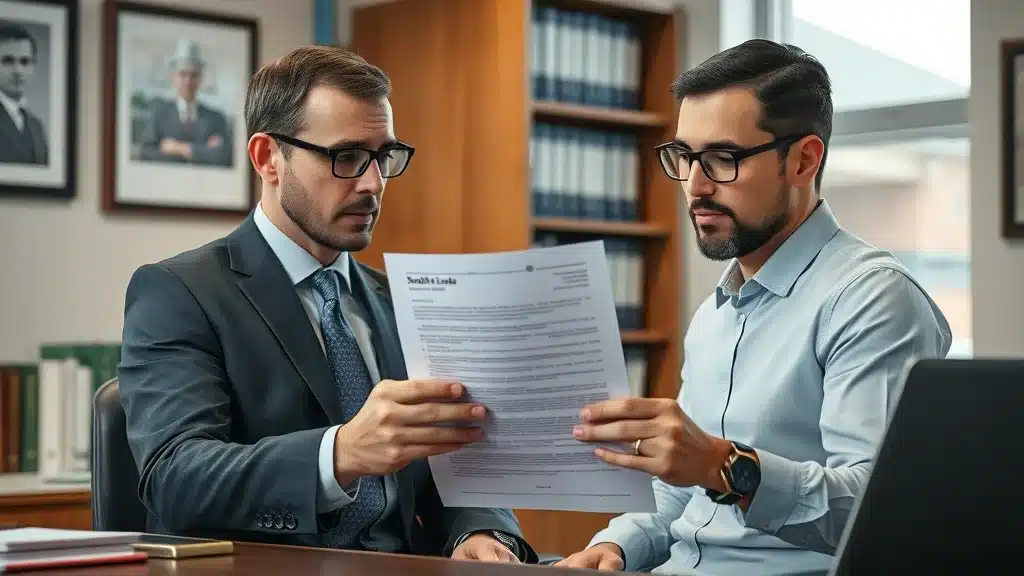
South Carolina law firm professionals investigating a dram shop case; reviewing evidence and documents in a legal office

Dram shop litigation unfolds quickly after an incident. Step one is often the reporting of a drunk driving accident or injury law violation, triggering investigations by police, victims’ attorneys, and insurance companies. Next comes the process of establishing causation—demonstrating that over-service of alcohol was a direct factor in the resulting harm.

The third step is evidence gathering. This phase can be grueling for businesses: law firms will subpoena surveillance footage, receipts, digital sales logs, and even staff scheduling records to build a timeline of the service. Witness testimony and expert analysis help pinpoint lapses in policy or judgment. Throughout, insurance company adjusters assess exposure and determine if coverage defenses (such as lack of training documentation or failure to comply with specific dram shop requirements) can limit their payout. Finally, most dram shop cases hinge on whether the establishment can show it followed mandatory South Carolina training standards and made a good-faith effort to verify patron sobriety. Failing to do so leaves the door wide open for settlements and punitive damages.

Dram Shop Laws and Their Role in South Carolina Driving Accident and Injury Cases

How Dram Shop Cases Unfold After a Drunk Driving Accident

Following a drunk driving accident, the legal spotlight turns swiftly to any business that served the intoxicated person. Plaintiffs and law enforcement seek a trail: Was there visible intoxication? Did the staff ignore clear signs? Did proper ID verification and service refusal protocols occur? In many shop cases, civil suits quickly pile on top of criminal charges for the intoxicated driver, shifting partial liability onto the establishment under dram shop laws.

This legal strategy creates a high-risk environment for South Carolina’s bars and restaurants. Even when the business isn’t the root cause, inadequate compliance or documentation often turns it into a target for personal injury or wrongful death claims. The upshot: robust training, real-time monitoring, and policy enforcement are not just regulatory requirements—they’re survival tools against devastating legal and financial fallout.

Real-World Shop Liability: Recent Claims and Regulatory Trends

South Carolina courts have seen a marked rise in dram shop claims, especially as law firms increasingly specialize in alcohol-related accident law. Recent regulatory updates clarify what constitutes “visible intoxication” and mandate electronic recordkeeping for alcohol service. At the same time, insurance company scrutiny intensifies, with carriers often auditing establishments’ compliance before renewing or issuing liquor liability policies.

These realities amplify the importance of staying ahead of trends: failure to adapt training protocols or update service records in accordance with evolving South Carolina dram shop law can mean the difference between a defended claim and a multi-million dollar payout. Success stories have come from proactive businesses who regularly partner with legal counsel and insurance professionals—creating an ecosystem of compliance before a single drop is poured.

Explaining Dram Shop Laws in South Carolina: What Business Owners Need to Know

Key Evidence and Legal Standards in Dram Shop Liability Lawsuits

  • Proof of intoxication
  • Linking service to the injury event
  • Usage of expert testimony
  • Differences between personal injury and wrongful death cases

Key evidence drives nearly every dram shop liability case. The plaintiff’s law firm must show: (1) the business served a visibly intoxicated person or minor; and (2) this act directly led to a personal injury case or wrongful death. This often requires receipts that match time stamps with surveillance video, witness accounts stating the customer slurred speech, staggered, or acted disorderly, and sometimes expert testimony reconstructing blood alcohol content at the time of service.

Insurance companies and legal teams scrutinize this evidence line by line. Notably, standards differ between personal injury cases (where remedy is for medical and property damages) and wrongful death cases (which can add claims for loss of companionship and punitive damages). Either way, precise records are crucial to shield a business from catastrophic exposure. Missing video, ambiguous incident logs, or a lack of documented training can destroy otherwise solid defenses.

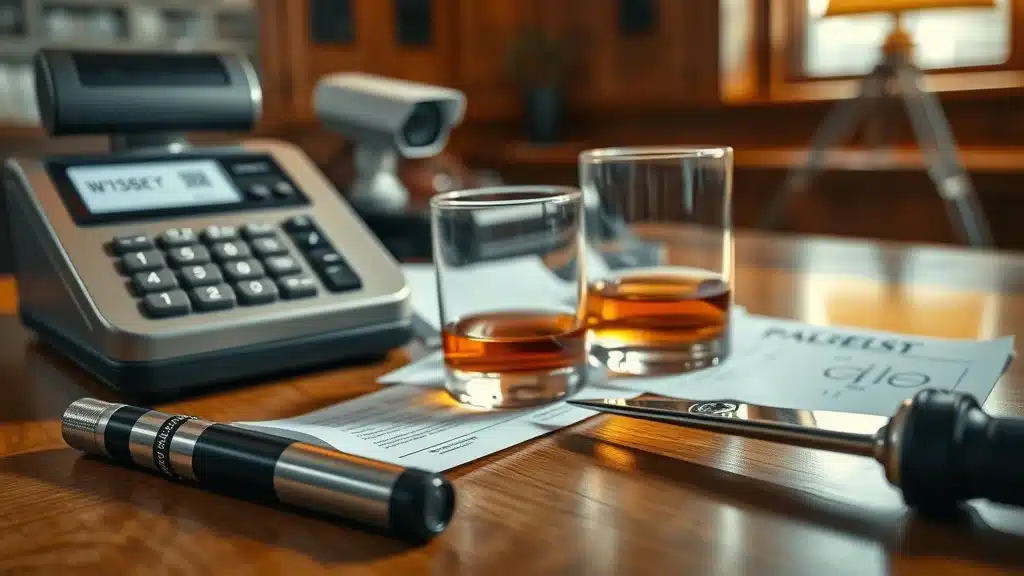
Dram shop lawsuit evidence including receipts, CCTV camera, and whiskey glass in a South Carolina legal setting

South Carolina Dram Shop Law Firm Insights: Lessons from Recent Litigation

“The most common mistake businesses make is underestimating how thoroughly plaintiffs’ attorneys will investigate sales records and staff training after an accident.”

South Carolina law firms focused on dram shop claims reveal a clear lesson: even meticulous businesses are at risk if they don’t document every interaction and staff action in compliance with current shop statute. Plaintiffs’ legal teams regularly subpoena point-of-sale data and cross-examine bartenders and managers about refusal protocols—placing a premium on evidence over intention.

Moreover, industry trends indicate that regulatory authorities are supporting plaintiff’s efforts with new compliance requirements. Widespread litigation is a wake-up call: failure to update policies, audit training logs, or enforce service refusals can put any alcohol-serving establishment in jeopardy. Risk management is now as much about recordkeeping as it is about education or customer care.

Minimizing Exposure: Shop Liability Insurance and Risk Management Strategies

Why Liquor Liability Insurance is Essential for South Carolina Businesses

Insurance advisor discussing liquor liability insurance with South Carolina alcohol-serving business client in a legal compliance context

Carrying robust liquor liability insurance is non-negotiable for businesses operating under South Carolina dram shop laws. A single dram shop case can result in judgments far exceeding basic general liability limits—sometimes by millions. Most insurance companies require proof of mandatory staff compliance before issuing policies, and failure to meet these expectations can result in denial of coverage when it matters most.

This specialized insurance is designed to cover costs related to legal defenses, settlements, and potential damages if your establishment is held liable in a shop law or injury law dispute. It also addresses broader liability exposures—slip-and-fall, assault, fights initiated by intoxicated patrons—that might be excluded from standard business insurance policies. Reviewing your current policy with a local insurance advisor is essential to close gaps that could expose your business to catastrophic loss.

Staff Training, ID Verification, and Other Proactive Measures

  • Mandatory staff training programs
  • Documenting refusals of service
  • Understanding specific dram shop statute requirements
  • Policy reviews and regular compliance checks

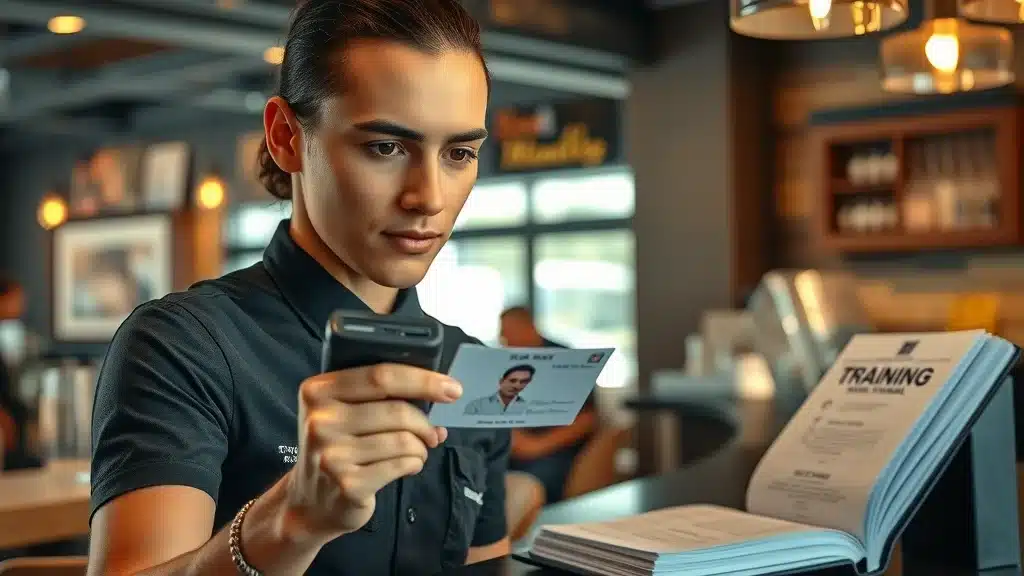
Staff member at South Carolina bar carefully verifying ID during staff training for dram shop compliance

Ongoing education is the bedrock of dram shop compliance. South Carolina statutes now require that all alcohol-serving staff complete recognized training programs on the dangers of over-service, how to spot signs of intoxication, and how to politely and effectively refuse service without escalating conflict. Documenting these refusals is just as important: every turn-down should be written into a service log, supported by point-of-sale notes and, if possible, video evidence.

Regular policy reviews—at least quarterly—are essential to ensure that procedures for ID verification, incident reporting, and legal updates are actually followed in daily practice. These check-ins not only satisfy insurance company audits, but can also serve as key evidence should your business be involved in a dram shop case. The more robust and proactive your compliance, the more defensible your position becomes.

People Also Ask: The Most Common Questions About How Dram Shop Lawsuits Work in South Carolina

What is a dram shop law in South Carolina?

A dram shop law in South Carolina holds businesses accountable if they serve alcohol to visibly intoxicated persons who then cause injury or damages. This law ensures alcohol-serving establishments meet strict regulations to protect the public and reduce drunk driving or injury cases.

Can a social host be sued under South Carolina’s dram shop laws?

No, social hosts are generally not subject to dram shop liability, but may be liable in special circumstances, particularly involving minors. Businesses face stricter standards and are directly regulated under South Carolina’s dram shop laws, while private individuals are rarely held liable unless underage drinking is involved.

What kind of evidence is needed for a dram shop lawsuit?

Evidence can include receipts, surveillance footage, witness testimony, and proof of visible intoxication at the time of service. Documentation of staff training and compliance with shop law is also critical for defending against claims.

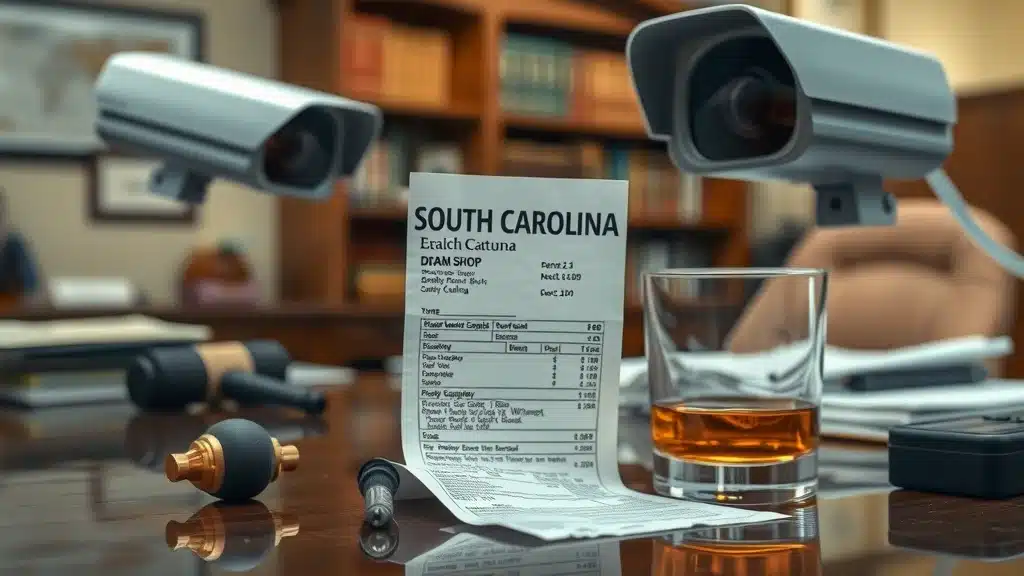
Photorealistic evidence scene for South Carolina dram shop case: receipt, CCTV camera, whiskey glass, in legal office context

How long do I have to file a dram shop lawsuit in South Carolina?

The statute of limitations for dram shop lawsuits in South Carolina is typically three years from the date of injury. Acting quickly ensures access to necessary records and evidence to build a strong case.

FAQs About How Dram Shop Lawsuits Work in South Carolina

  • Do insurance policies always cover dram shop liability?
    Not all insurance covers dram shop liability. Specialized liquor liability insurance is necessary, as standard business policies often exclude claims involving alcohol service violations.
  • Are punitive damages available in South Carolina dram shop cases?
    Yes, courts may award punitive damages when there is evidence of gross negligence or willful misconduct, especially if the defendant ignored repeated safety warnings or statutory training requirements.
  • What are the most common ways businesses violate the dram shop statute?
    The top violations include failing to train staff, neglecting to document refusals of service, or serving alcohol to visibly intoxicated patrons or minors without proper ID checks.

Key Takeaways: Protecting Your Business Under South Carolina Dram Shop Laws

  • South Carolina dram shop laws are strict and require rigorous compliance
  • Documentation and insurance are your best lines of defense
  • Ongoing education is key for risk mitigation

Final Thoughts: Practical Steps for Navigating Dram Shop Lawsuits in South Carolina

Understanding how dram shop lawsuits work in South Carolina is vital for every bar, restaurant, and event business. Proactive risk management, thorough documentation, and regular training aren’t just best practices—they’re critical legal protections in today’s stringent regulatory environment.

Ready to take action and secure robust coverage?

Connect with a South Carolina Law Firm or Insurance Professional Today

Partner with legal and insurance experts who understand South Carolina dram shop law. Proactive consultation ensures your compliance strategy adapts as regulations evolve and equips your business to respond immediately if an incident occurs.

Ready to protect your business? Learn more about Liquor Liability Insurance for South Carolina alcohol-serving establishments.

Don’t leave your business exposed. Get a personalized liquor liability insurance quote today from South Carolina Liquor Liability Insurance and fortify your business against real-world dram shop risks.

Sources

Understanding how dram shop lawsuits work in South Carolina is crucial for alcohol-serving establishments aiming to mitigate legal risks. The article “South Carolina Dram Shop Law Updates 2025–2026” provides a comprehensive overview of recent legislative changes affecting liability for bars, restaurants, and event venues. It details the shift from joint and several liability to a proportional fault system, emphasizing the importance of these updates for businesses. (bergerlawsc. com) Additionally, “South Carolina Dram Shop Law: Major Changes Taking Effect in 2026” offers insights into the new “knowing” requirement, which mandates that establishments must have known or should have known about a patron’s intoxication to be held liable. This resource is invaluable for understanding the nuances of dram shop liability and implementing effective risk management strategies. (swilleylaw. com) For a deeper understanding of these legal frameworks and their implications, these resources provide essential information to help businesses navigate the complexities of dram shop laws in South Carolina.

Assault and Battery Claims Against South Carolina Bars: What Owners Need to Know

Did you know? In South Carolina, a single bar fight can trigger an assault and battery claim that could jeopardize your liquor license, business reputation, and financial stability for years. For bar owners, understanding assault and battery claims against bars SC isn’t just about legal compliance—it’s a make-or-break reality in the hospitality industry. This guide unpacks exactly what’s at stake, how dram shop law applies to bar fights, and proactive steps owners must take to stay protected.

An Alarming Look: Assault and Battery Claims Against Bars in SC

assault and battery claims against bars sc — concerned bartender watches a tense patron in South Carolina bar

Startling Facts—Why Assault and Battery Claims Matter for South Carolina Bar Owners

Bar fights and late-night altercations are often seen as ‘part of the nightlife’—but in South Carolina, they come with real-world legal and financial implications. Each year, bars across the state face lawsuits and costly insurance claims due to incidents labeled as “assault and battery. ” Under SC’s dram shop laws, a bar doesn’t need to provide the punch. If you serve a visibly intoxicated person who later harms someone on your premises, your establishment could be on the legal and financial hook—regardless of intent. Even a single altercation can expose bar owners to injury lawsuits, license suspensions, and out-of-pocket payouts that average tens of thousands of dollars. Understanding assault and battery laws in a real-world bar setting is essential for every owner, manager, and server in South Carolina.

What You’ll Learn About Assault and Battery Claims Against Bars in SC

  • The legal framework for assault and battery claims against bars in SC
  • South Carolina dram shop law essentials
  • Risk factors and real-world liability scenarios
  • Insurance and compliance requirements for SC bar owners
  • Best practices to lower assault and battery risk and mitigate potential claims

Understanding Assault and Battery Laws in South Carolina: What Bar Owners Must Know

Defining Assault and Battery in SC Bar Settings

In the context of a bustling South Carolina bar, assault is typically defined as an intentional threat or show of force that makes another person reasonably fear imminent harm, while battery is the actual unwanted or offensive physical contact. For instance, if a patron swings a fist during a bar fight but misses, that’s likely assault; if contact is made, it becomes battery. Even pushing, shoving, or throwing a drink can fall under the category of battery. Importantly, the law doesn’t require significant injury—a simple, unwanted touch during an argument can open the door to an assault and battery claim. For bar owners, this means that incidents that seem minor in the moment can lead to serious legal repercussions under South Carolina’s battery laws.

With lively bars and packed venues, distinguishing between roughhousing and criminal battery can be challenging, yet crucial. SC law recognizes assault and battery as separate offenses—each with different standards and penalties. Owners and managers must train staff to identify escalating conflict early. Failure to intervene or document incidents exposes both staff and the establishment to potential legal action, civil lawsuits, and claims that may compromise a business’s future under dram shop law.

For bar owners seeking a deeper understanding of how insurance can specifically address these risks, it’s important to review the details of South Carolina liquor liability insurance coverage, including what is and isn’t protected in the event of an assault or battery claim. This knowledge can help you make informed decisions about your policy and risk management strategies.

Overview of South Carolina Assault and Battery Laws

South Carolina’s assault and battery laws are outlined under Title 16, Chapter 3 of the SC Code of Laws. These statutes create a graduated system of offenses from simple assault up to aggravated assault and battery, each carrying varying penalties. For SC bar owners, the most relevant are assault and battery in the third degree (minor harm or threats), second degree (moderate harm or non-consensual touching), and first degree (severe harm or use of a weapon). If a bar’s patron injures another while visibly intoxicated, or if staff fail to intervene, the bar can be held partially responsible under personal injury law.

Notably, a claim doesn’t require a criminal conviction—civil liability uses a “preponderance of evidence” standard. This means that a customer claiming injury must only show it’s more likely than not the bar’s negligence contributed to the incident. The consequences for owners vary: from civil damages, legal fees, and higher insurance premiums to loss of liquor licensing and even criminal penalties in extreme cases. Understanding the contours of SC’s assault and battery laws is essential for anyone operating or serving alcohol in the state.

Differences Between Assault, Battery, and Aggravated Assault and Battery

While “assault” and “battery” are often used interchangeably in everyday conversation, South Carolina law draws clear lines between the two. Assault centers on the threat or fear of harm, while battery addresses the act of harmful or offensive contact. When an incident involves serious bodily injury, use of a deadly weapon, or occurs during another crime, it’s classified as aggravated assault and battery. This significantly increases the stakes for all parties—especially for bar owners and staff who may face heightened liability if they failed to exercise adequate precautions or served a visibly intoxicated person involved in the escalation. It is critical for those in the hospitality industry to appreciate these distinctions, as the severity of the charge affects both civil and criminal exposure for their business.

The legal ramifications increase dramatically with aggravated offenses. Claims involving severe injuries, permanent disabilities, or wrongful death often result in far higher settlements and can prompt regulatory scrutiny. This is why staff training, prompt incident reporting, and clear protocols are pivotal—knowing the legal difference between assault, battery, and aggravated assault and battery can help a bar owner respond appropriately in the crucial moments following an incident.

Type Definition (SC Law) Penalties Bar Exposure
Assault Intentional act causing fear of imminent harm Up to 30 days jail; fines Liable if staff fails to de-escalate or intervene
Battery Intentional, unwanted physical contact causing minor injury or offense Up to 3 years prison; fines Liable if bar serves intoxicated persons or lacks security protocols
Aggravated Assault and Battery Severe injury, use of deadly weapon, or intent to cause serious harm Up to 20 years prison; extensive fines High exposure—can lead to large injury verdicts, loss of liquor license, and regulatory action

Dram Shop Law and Assault and Battery Claims Against Bars in SC

dram shop law attorney consults bar owner on assault and battery claims SC

How Dram Shop Laws Impact Assault and Battery Claims

Dram shop laws in South Carolina directly determine whether a bar can be held responsible when patrons cause harm after being served alcohol. Under SC Code Section 61-4-580, a bar that “knowingly serves a person who is intoxicated” can be liable for damages resulting from injuries—including those from a bar fight or assault and battery incident. This means a bar owner or employee doesn’t need to throw a punch to face an injury claim—serving a patron who is clearly impaired and then failing to control or report violent behavior can implicate the entire establishment under South Carolina dram shop law.

These laws reflect the serious public policy concerns associated with alcohol-related violence. While dram shop liability is often discussed in the context of drunk driving, it is just as relevant when an intoxicated person harms another guest in your venue. Failing to recognize or respond to signs of intoxication can expose a bar owner to claims of negligence or “failure to supervise,” widening the risk window far beyond just the moment of the bar fight.

Key Elements of South Carolina Dram Shop Law for Bar Owners

Bar owners must understand three core responsibilities under dram shop law: avoid serving visibly intoxicated persons, train staff to recognize and document warning signs, and maintain clear policies for intervention. Liability is not limited to direct participants in the bar fight; owners can be sued for creating or ignoring conditions that led to violence. In civil court, “foreseeability” is the magic word: did the bar have reason to anticipate and prevent the assault and battery from occurring?

In addition to risk of civil damages, noncompliance can threaten your SC Alcohol License, result in increased liquor liability insurance premiums, and invite regulatory penalties. The exposure is compounded when bars lack written policies, training records, or surveillance footage. For all South Carolina venues serving alcohol, the message is clear: proactive compliance with dram shop law is the only way to minimize liability in the event of assault and battery claims against bars SC.

Liability Exposure: How Assault and Battery Claims Against Bars in SC Arise

Common Bar Fight and Battery Incidents Leading to Claims

Assault and battery claims most often arise from physical altercations between patrons, especially when alcohol is involved. Typical bar fight scenarios include pushing and shoving on crowded dance floors, altercations over spilled drinks, heated arguments escalating to punches, or disputes at closing time. The common denominator: at least one intoxicated person and a perceived failure by staff to intervene or follow protocol.

Bar owners must recognize that even seemingly minor confrontations can result in personal injury lawsuits. Courts and insurance companies will scrutinize whether the establishment provided adequate security, responded promptly to warning signs, and took basic steps to protect guests. When security staff fails to act, surveillance footage is lost, or employees serve additional drinks to an already impaired guest, the risk of liability increases dramatically. With South Carolina’s legal and insurance landscape evolving, owners can’t afford to take these incidents lightly.

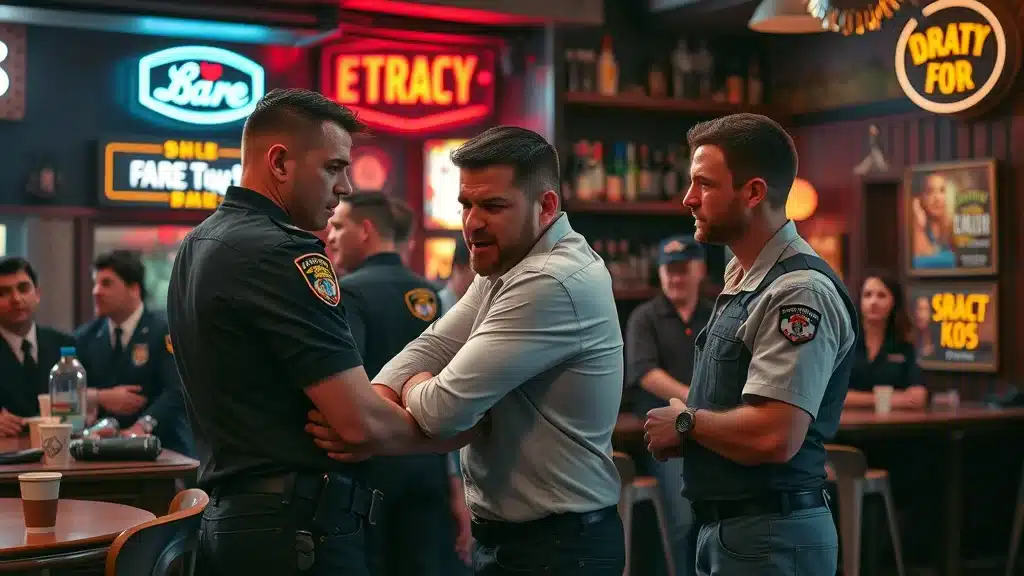
bar fight in SC — security personnel defusing tension, battery incident prevention

Real-World Scenarios: Assault and Battery Claims Process in SC

The claims process typically begins when a patron injured in a bar fight seeks medical attention and later files a claim with the bar’s insurance or directly with the bar owner. Plaintiffs may allege that staff served a visibly intoxicated person or failed to provide adequate security or supervision. At this point, the bar’s training records, incident reports, and camera footage become critical evidence. Insurance adjusters, and sometimes juries, will want to know: Was the fight foreseeable? Did employees do enough to prevent or deescalate violence? Personal injury lawyers often build their cases by showing a bar’s negligence in these areas.

Once an assault and battery claim is filed, bars must provide detailed documentation—a lack of which can put the business at a severe disadvantage. Litigation can last months or even years, putting significant financial pressure on uninsured or underinsured venues. In high-profile or severe injury cases, bar owners may also face negative publicity and regulatory scrutiny. For these reasons, bar owners should have a crisis management protocol in place and understand how the claims process unfolds under dram shop law.

“A single moment of violence can expose a bar to years of legal and financial consequences under South Carolina’s assault and battery laws.”

Proving Negligence: What Plaintiffs Must Show in Assault and Battery Claims Against Bars SC

Bar Responsibilities Under South Carolina Battery Laws

To succeed in an assault and battery claim, a plaintiff must show that the bar had a duty to protect guests, breached that duty by failing to act or maintain safe premises, and that this failure led directly to injury. For example, if staff continues to serve an aggressive patron or ignores repeated warnings of conflict, these facts can be used to show negligence. Bar owners should maintain comprehensive training programs, incident logs, and clear policies that demonstrate compliance with South Carolina battery laws.

Juries and insurance companies will examine whether a “reasonable” bar owner would have anticipated or prevented the altercation. Even if criminal charges don’t stick, the lower burden of proof in civil cases means documentation, staff vigilance, and timely intervention are key. A single oversight by a bartender or bouncer can result in a costly lawsuit, increased insurance costs, or—even worse—revocation of the bar’s alcohol service permit.

Intoxicated Person and Bar Liability: Dram Shop Law in Practice

When claimants allege a bar served a visibly intoxicated person who then harmed someone, the burden is on the plaintiff to establish a direct link. However, in practice, courts will look at bar policies, staff statements, witness accounts, and alcohol sales records. Did the bartender ignore clear signs of impairment? Was there a breakdown in security or supervision? Failure to train employees or follow dram shop law compliance standards almost always increases liability exposure.

Bar owners must be aware that insurance companies, juries, and regulators expect active measures—such as refusing service, calling security, and immediate documentation—when an intoxicated or aggressive patron is involved. Lack of response, missing records, or policy violations are all red flags that can tip the scales in favor of the injured party.

  • Serving visibly intoxicated individuals
  • Failure to provide adequate security
  • Not following South Carolina dram shop compliance

Insurance Coverage for Assault and Battery Claims Against Bars SC

liquor liability insurance for SC bars — insurance agent explains assault and battery coverage

Does Liquor Liability Insurance Cover Assault and Battery?

Liquor liability insurance is designed to protect bar owners from claims related to serving alcohol—including third-party injuries, property damage, or death. However, coverage for assault and battery claims is not automatic. Many policies have strict wording about when and how incidents tied to battery or bar fights are covered. Some include assault and battery exclusion clauses, while others require riders or endorsements to trigger protection. In South Carolina, an owner should never assume that basic liquor liability insurance will cover every possible incident without close review of policy terms.

To reduce risk, owners must work with specialized insurance providers experienced in South Carolina’s unique legal and regulatory environment. Only comprehensive policies with clear assault and battery coverage can fill the gap left by standard general liability insurance. Making sure you have documentation, security protocols, and a trusted agent on your side is your best bet against devastating financial loss after a fight or battery incident.

Battery Exclusion Provisions: What Every Bar Owner Should Understand

The battery exclusion in many general liability and liquor liability policies specifically bars coverage for claims arising from intentional acts of violence—often leaving owners to cover six-figure settlements out of pocket. Some policies may still provide defense costs, but not damages, and many exclude incidents involving both patrons and employees. It is crucial for SC bar owners to ask their insurance agents direct questions and ensure all exclusions and sub-limits are fully understood before a claim arises.

In the eyes of courts and insurance companies, the onus is on the business owner to proactively manage risk. Reviewing your policy annually, staying up to date on insurance market trends, and maintaining close communication with your agent will reduce unwanted surprises if a serious claim is filed against your business. The right coverage could be the difference between reopening after a bar fight lawsuit and shutting your doors for good.

Best Practices: Minimizing the Risk of Assault and Battery Claims Against Bars SC

  1. Thorough staff training on recognizing aggression
  2. Implementing clear bar fight protocols
  3. Monitoring for intoxicated person behavior
  4. Security and surveillance upgrades
  5. Documentation and reporting systems

bar employee security training — conflict resolution for assault and battery prevention SC

Institute a results-driven training program for all staff so they can identify and defuse potential altercations. Clear protocols for when and how to intervene—combined with better surveillance technology and real-time incident reporting—help build a safer bar environment and a defensible record in case a claim arises.

Regular drills, employee roleplay, and collaboration with local law enforcement on best practices further strengthen your position. Documenting each incident meticulously, from the first warning sign to final resolution, ensures you have a factual record that can be leveraged in any litigation or insurance review. For South Carolina bar owners, these investments yield both compliance and peace of mind.

People Also Ask: Common Questions on Assault and Battery Claims Against SC Bars

Can you sue a bar for getting punched?

Explore the legal grounds and dram shop law basis for suing a bar after a bar fight injury.

Yes, you can sue a bar for getting punched if you can show the bar’s negligence contributed to the incident—such as serving a visibly intoxicated assailant or failing to provide proper security. Under South Carolina’s dram shop law, bars can be liable for injuries resulting from assaults or batteries committed by guests if staff ignored warning signs or continued serving an intoxicated person involved in the fight. Each case depends on the specific facts and the bar’s compliance with state safety and alcohol service regulations.

How to sue a bar for negligence?

Step-by-step guide on initiating assault and battery claims against bars in SC for negligence.

To sue a bar for negligence in South Carolina after a fight: 1) gather evidence such as surveillance footage, witness statements, and medical records; 2) contact a personal injury lawyer experienced in assault and battery or dram shop cases; 3) file a claim demonstrating the bar’s failure to act responsibly or its service to a visibly intoxicated person. The process also includes reporting the incident promptly and cooperating with any insurance investigations. Timely, thorough documentation is essential to strengthen your case and establish liability.

How long after an assault can you press charges in South Carolina?

SC statute of limitations and timing for assault and battery claims explained.

Under South Carolina law, victims generally have up to three years from the date of the incident to file a civil lawsuit for assault and battery. However, if criminal charges are being considered, prosecutors may move forward as soon as evidence is available. It’s vital to act quickly and consult legal counsel or an injury law firm for guidance, as witness credibility and evidence can fade over time. The sooner you file, the better the chance for a successful outcome.

What’s the difference between assault and battery and aggravated assault and battery?

Legal distinctions, penalties, and how these affect bar liability and dram shop exposure.

Assault is the threat of harm, while battery involves actual physical contact causing harm. Aggravated assault and battery are more severe, involving serious injury, weapons, or special circumstances. For bar owners, aggravated cases bring greater liability, larger settlements, and potential criminal charges—especially if the venue failed to monitor, intervene, or promptly report the incident. This underscores the need for rigorous protocol and comprehensive liquor liability insurance.

FAQs: Assault and Battery Claims Against Bars SC

  • What is dram shop liability?
    Dram shop liability refers to a bar or restaurant’s legal responsibility for serving alcohol to visibly intoxicated persons or minors who then cause harm to others in a bar fight, car accident, or other incident.
  • Are bar owners personally liable for assault and battery claims?
    In certain cases, if a bar owner’s own negligence or lack of oversight directly caused the incident, personal liability may apply—especially if there is inadequate insurance or violations of South Carolina battery laws.
  • How can liquor liability insurance help with legal costs?
    Specialized liquor liability policies often cover legal defense costs from lawsuits related to alcohol service, but only if you don’t have an assault and battery exclusion. Owners should clarify the specifics of coverage with their agent.
  • Does general liability insurance cover bar fights?
    Most general liability policies exclude intentional acts of violence, meaning bar fights, assaults, and batteries may not be covered without additional policy endorsements or specialized liquor liability coverage.

Key Takeaways for South Carolina Bar Owners on Assault and Battery Claims

  • Know your dram shop law responsibilities
  • Conduct regular staff training
  • Maintain proper insurance coverage—be aware of battery exclusion clauses
  • Foster a safe environment to limit liability

Ready to Protect Your Bar? Secure Liquor Liability Insurance Today

Get covered with South Carolina Liquor Liability Insurance: Protect your business from assault and battery claims against bars SC. Learn more and request a quote:

Liquor Liability Insurance – https://scliquorliabilityinsurance. com

Watch a brief explainer that summarizes the essentials of South Carolina assault and battery claims, dram shop law, real-world liability scenarios, and actionable tips on compliance and protection for bar owners.

For additional insights on dram shop law responsibilities and minimizing risk, see our dram shop law overview video for South Carolina hospitality operators.

Conclusion: Proactive Steps for Managing Assault and Battery Claims Against Bars SC

SC bar owner reviews assault and battery security protocols and compliance checklist

  • Immediate response checklist after an incident
  • Ongoing compliance review
  • Legal and insurance consultation reminders

Success starts with compliance, training, and strong insurance. Act today to protect your business from the unique risk of assault and battery claims against bars SC.

If you’re ready to take your bar’s risk management to the next level, consider exploring the broader landscape of South Carolina liquor liability insurance solutions. Understanding the full spectrum of coverage options and compliance strategies can empower you to safeguard your business against evolving threats. By staying proactive and informed, you not only protect your bottom line but also foster a safer, more reputable establishment. Dive deeper into advanced insurance strategies and discover how comprehensive protection can be a game-changer for your bar’s future.

Sources

In South Carolina, bar owners must be vigilant about the legal implications of assault and battery incidents on their premises. Understanding the state’s dram shop laws is crucial, as these regulations can hold establishments accountable for serving alcohol to visibly intoxicated individuals who subsequently cause harm. For instance, if a patron becomes aggressive after being over-served and injures another person, the business may be held responsible for not cutting them off or removing them from the premises. (augerlaw. com) Additionally, it’s essential to recognize that security personnel, such as bouncers, do not have special immunity from assault claims. If a bouncer uses excessive force against a patron, both the individual and the establishment can be held liable for resulting injuries. This underscores the importance of proper training and adherence to legal standards in handling confrontations. (alllaw. com) By familiarizing themselves with these legal responsibilities and implementing proactive measures, bar owners can better protect their patrons and their business from potential claims.

Does General Liability Cover Alcohol-Related Incidents in South Carolina?

Did you know that over 40% of liquor liability claims in South Carolina involve business owners who discover—too late—that their general liability policy doesn’t cover alcohol-related incidents? If your South Carolina business serves alcohol, what you don’t know about liability coverage can cost you dearly. This in-depth guide reveals how general liability, liquor liability insurance, and dram shop laws intersect so you can shield your business from costly and unexpected claims. If you’re a bar owner, event host, or restaurant operator, understanding these risks could mean the difference between financial ruin and peace of mind.

Understanding General Liability Insurance in South Carolina

“Over 40% of liquor liability claims in South Carolina involve incidents that business owners thought were covered by their general liability policy—only to discover critical exclusions when it mattered most.”

General liability insurance is a cornerstone for most South Carolina businesses, offering important protection against claims involving third-party bodily injury, property damage, and personal and advertising injury arising from your business operations. Many business owners assume this coverage extends to all incidents—including those involving the sale, service, or consumption of alcoholic beverages. But here’s the risk: Most general liability policies contain clear exclusions for alcohol-related claims, especially when your business is engaged in serving or selling alcohol as part of its regular operation. This exclusion is critical—and often overlooked until a claim or lawsuit is already underway. In our work with South Carolina restaurants, bars, and event venues, we’ve seen many cases where a severe incident exposed this dangerous gap in coverage. Understanding where your policy stands is not just good business—it’s vital risk management.

Professional South Carolina business owners reviewing liability insurance documents—general liability and liquor liability considerations

What You’ll Learn About General Liability and Alcohol-Related Incidents

  • Key differences between general liability and liquor liability insurance
  • What general liability insurance typically covers—and what it does not
  • How South Carolina’s dram shop laws impact your liability exposure
  • Practical coverage scenarios for your business
  • How to decide if you need additional liquor liability insurance

Comparative icons of general liability and liquor liability insurance for South Carolina business coverage

Overview of Liability Insurance: Key Concepts for South Carolina Businesses

What Is General Liability Insurance?

General liability insurance, sometimes called commercial general liability (CGL), is designed to protect South Carolina business owners from the day-to-day risks of third-party bodily injury, property damage, and lawsuits tied to business operations. Whether a customer slips on a wet floor, or a vendor’s property is damaged during delivery, general liability steps in to cover those losses. Importantly, this type of liability insurance is not just for bars or restaurants; every business—regardless of industry—should carry some level of protection. However, one of the biggest misconceptions is that general liability cover alcohol related incidents no matter the circumstances. In reality, most policies strongly differentiate between standard business risks and those associated with alcohol service. For South Carolina businesses where alcohol is present, a careful policy review is essential to find out what your liability policy does—and does not—include. This distinction is particularly vital due to South Carolina’s tightened claims environment and recurring liquor liability lawsuits. For a more detailed breakdown of how liquor liability insurance works specifically in South Carolina, including coverage options and legal requirements, you can review the comprehensive guide on South Carolina Liquor Liability Insurance. This resource offers tactical insights for business owners navigating the complexities of alcohol-related risk.

What Does Liability Insurance Cover and Exclude?

General liability insurance provides broad coverage for a range of incidents. Typical covered claims include: customer slips and falls, non-alcohol-related property damage, and some forms of reputational or advertising injury. However, when it comes to alcoholic beverages, things quickly get complicated. Most liability policies contain an exclusion for liquor-related claims if your business is engaged in serving alcohol as a regular part of its operations (for example, restaurants, bars, breweries, and catering companies). These exclusions mean that if you have a claim stemming from an intoxicated patron—such as injuries, property damage, or even legal defense costs—your general liability policy likely will not help. Liquor liability insurance is required for that kind of protection. Knowing the exact coverage include and exclusions of your policy ensures you’re not left exposed when it matters most.

Coverage Type Covered Incidents Common Exclusions
General Liability Insurance Bodily injury, property damage, advertising injury Liquor-related incidents (subject to exclusions)
Liquor Liability Insurance Claims resulting from serving or selling alcohol Incidents not involving alcohol

Does General Liability Cover Alcohol-Related Incidents?

Alcohol-Related Claims: When Are They Covered?

The short answer to whether general liability covers alcohol-related incidents is: rarely, and only under very specific circumstances. If your South Carolina business does not routinely sell or serve alcohol (think: offices, retail shops), your general liability insurance might cover “host liquor liability”—essentially, accidental or incidental service (like offering wine at an office holiday party). However, if alcohol service is part of your business operations (such as bars, restaurants, caterers, or event venues), then nearly all general liability policies specifically exclude claims arising from alcohol. This exclusion means that if an intoxicated customer leaves your bar and causes a car accident resulting in injuries or property damage, your general liability policy offers no protection. Instead, liquor liability insurance would be necessary for defense and damage awards stemming from those actions. Always review your liability coverage with a licensed South Carolina agent to confirm what real-world risks your current insurance does—or does not—address.

South Carolina bartender serving drinks—alcohol-related liability awareness in a bar environment

Host Liquor Liability vs. Liquor Liability Insurance

Let’s clarify two important coverage types for South Carolina businesses:

  • Host liquor liability applies to non-business or incidental serving of alcohol—such as an employer serving wine or beer at a casual office event. Coverage is typically included in general liability insurance for businesses not in the alcohol sales or service industry.
  • Liquor liability insurance is a dedicated policy for establishments whose business is selling, serving, or distributing alcohol, like bars, restaurants, nightclubs, or liquor stores. This insurance specifically covers claims arising from alcoholic beverage service, including third-party injuries and property damage caused by intoxicated customers.

In short, host liquor liability might protect you at a staff party, but it won’t help when your business model includes selling or serving alcohol. For any South Carolina establishment where alcohol is present as part of daily operations, liquor liability insurance is both mandatory for legal compliance (in some circumstances) and essential for financial safety.

South Carolina Dram Shop Laws and Their Impact on Liability Coverage

What Are Dram Shop Laws in South Carolina?

South Carolina’s dram shop laws make a business owner legally responsible if someone is injured or property is damaged because of alcohol you served—especially if you served an obviously intoxicated person or a minor. These statutes set the legal framework for lawsuits against bars, restaurants, liquor stores, and event venues. A “dram shop” refers historically to establishments selling alcoholic beverages, and today, such laws are strictly enforced in the state. For example, if a customer is over-served, leaves your bar, and is involved in a drunk-driving injury crash, South Carolina dram shop laws could hold you both civilly and even criminally liable for the resulting injuries or property damage. The legal landscape here is strict: insurance alone is not enough—businesses must foster policies and training to prevent such incidents, and have proper liquor liability coverage.

How Dram Shop Laws Affect General Liability Insurance

The implications of dram shop laws are profound for South Carolina business owners. Traditional general liability insurance—the “default” policy most businesses purchase—specifically excludes claims where a violation of dram shop law is alleged. That means when a lawyer brings a case under a dram shop statute, your general liability policy almost always will not respond if alcohol was served and injury or damage occurred. Only liquor liability insurance is tailored to defend these specific claims, covering legal defense, settlements, and judgements—costs that easily run into hundreds of thousands or even millions of dollars per claim. The bottom line: operating a bar or restaurant without specific liquor liability coverage is effectively rolling the dice with both your license and your business assets in South Carolina.

Liquor Liability Insurance: Why General Liability Isn’t Enough

Liquor Liability Insurance vs. General Liability Insurance

Let’s break down the main differences in coverage for South Carolina businesses:

Feature General Liability Liquor Liability
Bodily Injury from Alcohol Exclusion likely Covered
Property Damage from Alcohol Exclusion likely Covered
Defense Costs Limited Comprehensive

If your business directly serves alcohol, general liability coverage include may be minimal or nonexistent for any claim tied to liquor service. Liquor liability insurance is designed from the ground up to protect you from the unique risks of alcoholic beverage sales—including lawsuits from drunk driving accidents, property damage, and injuries involving customers, guests, or even bystanders. The gap can be financially devastating. A single alcohol-related claim that isn’t covered by your general liability policy can result in business closure, countless legal headaches, and irreversible damage to your reputation. For South Carolina bar and restaurant owners, carrying both general and liquor liability is standard, not optional.

Real-World Claim Scenarios: Bodily Injury & Property Damage

Real losses and lawsuits tell the real story best. Consider a scenario: your bartender serves an already intoxicated customer—or worse, a minor—who later causes a car accident. The accident results in severe bodily injury to another driver and substantial property damage. Your general liability policy won’t respond to these “liquor-related” claims, because they fall under the exclusion. Without liquor liability insurance, your business could face an uninsured lawsuit for millions, as well as possible liquor license penalties or loss. Other real-world claims involve catering companies serving wine at weddings, liability following physical altercations at bars, or liquor stores that inadvertently sell to someone underage. All of these scenarios would likely trigger dram shop liability and require specific liquor liability coverage for both defense and potential settlements.

Accident scene at a South Carolina bar related to intoxicated customer—importance of liquor liability insurance coverage

Liability Policies and Related Claims: Practical Examples

  1. A bar serves an already intoxicated customer who later causes a car accident: This is a textbook example of a dram shop claim. General liability will not cover it, but liquor liability insurance can.
  2. A wedding caterer serves wine and a guest is injured in a fall: If the alcohol contributed to the accident and injury, only a dedicated liquor liability policy usually responds.
  3. A liquor store sells to a minor and faces legal action: Violations of state law and resulting injuries or damages will be excluded under general liability but may be covered under proper liquor liability insurance.

“South Carolina courts have consistently held business owners responsible for over-serving customers—even when general liability policies failed to respond.” — Regulatory Analyst, SCLLI

People Also Ask: General Liability and Alcohol-Related Incidents

Does my general liability cover alcohol?

Most South Carolina general liability policies exclude coverage for claims related to the business’s serving, selling, or furnishing alcohol. An exception, called host liquor liability, might apply only if your business is not regularly engaged in sell or serve alcohol—like an office hosting a casual holiday party. If selling or serving alcohol is a part of your core operations, you need a separate liquor liability insurance policy for true coverage on alcohol-related claims.

What is typically not covered by general liability insurance?

General liability insurance typically does not cover any losses or lawsuits arising from the intentional serving, selling, or distribution of alcohol if it is a regular business activity. Other common exclusions include employee injuries (covered by workers’ compensation) and incidents involving professional advice (covered by professional liability policies). For bars, restaurants, and venues in South Carolina, liquor-related incidents are the biggest gap in standard coverage.

What type of incident does general liability cover?

General liability insurance primarily covers accidental third-party bodily injury (like slips and falls), non-alcohol-related property damage, and certain advertising or reputational harms. It’s the foundation of business insurance for everything from retail stores to office buildings, but specifically excludes “predicted” risks like liquor service that require specialty coverage, especially given South Carolina’s enforcement of dram shop laws.

Insurance agent explaining general liability versus liquor liability to South Carolina business owner

What is excluded from general liability insurance?

Exclusions can vary by carrier but most general liability insurance policies explicitly exclude coverage for: alcohol-related incidents if your business regularly sells or serves alcohol, professional errors, auto accidents (these require commercial auto insurance), and claims resulting from criminal acts or intentional misconduct. Always review your South Carolina liability policy documentation, with special attention to any “liquor liability” or “alcoholic beverage” provisions.

FAQs: General Liability, Liquor Liability, and Shop Laws in South Carolina

  • Can I combine general liability and liquor liability insurance?
    Yes, many insurers offer bundled or packaged policies for South Carolina business owners. Combining both policies can help you ensure there are no gaps between your standard business risks and your liquor-related exposures.
  • What steps can businesses take to minimize risk?
    Provide comprehensive staff alcohol training, enforce ID checks, monitor alcohol consumption, and always document your alcohol service policies. Risk management reduces claims and can lower your insurance premiums.
  • How much does liquor liability insurance cost in South Carolina?
    Pricing depends on the business type, volume of alcohol sales, claims history, and location. Policies typically start at a few hundred dollars per year for small operations, scaling much larger for bars or music venues. Always get a customized quote from a South Carolina licensed agent.

Watch our short explainer video for a quick and clear look at how liquor liability insurance protects your business from South Carolina–specific risks and real-world scenarios.

Key Takeaways for South Carolina Businesses Serving Alcohol

  • General liability insurance rarely covers alcohol-related incidents for business operations.
  • Liquor liability insurance is essential for establishments that serve or sell alcohol.
  • South Carolina dram shop laws heighten business exposure for negligent service.
  • Consult a licensed South Carolina agent to review your policy exclusions.

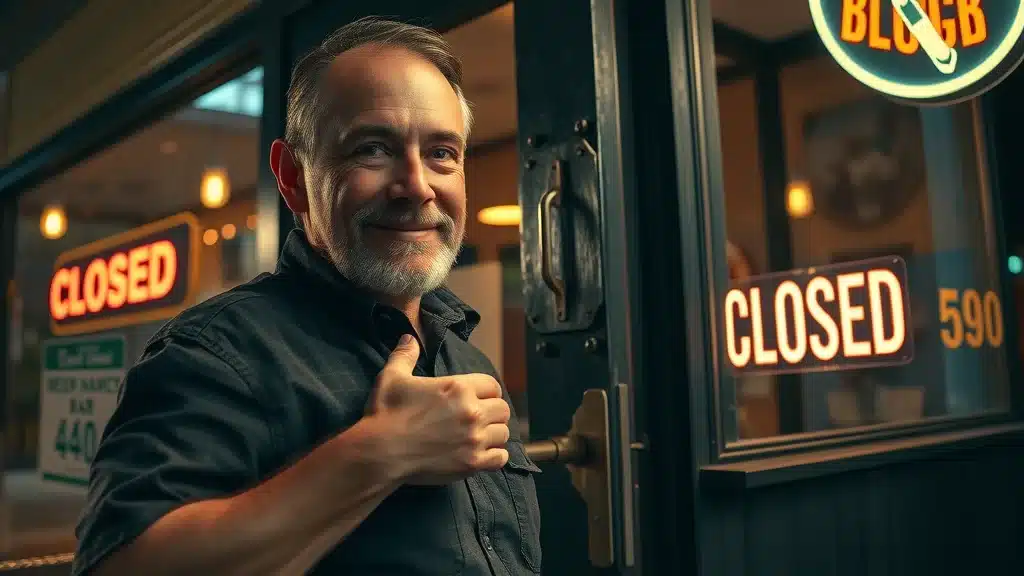
South Carolina restaurant or bar owner locking up confidently after hours—relief thanks to proper insurance coverage

Protect Your Business: Learn More About Liquor Liability Insurance

Don’t let gaps in your general liability policy put your livelihood at risk. If your business serves or sells alcohol in South Carolina, invest in comprehensive liquor liability insurance today. Learn more or get a quote.

Conclusion

In South Carolina, protecting your business means knowing where general liability ends and liquor liability begins. Review your policies and consult with experts to avoid costly surprises.

If you’re interested in expanding your understanding of business insurance beyond alcohol-related risks, consider exploring broader strategies for safeguarding your company. Delving into topics like risk management, employee training, and comprehensive policy bundling can help you build a resilient foundation for your South Carolina business. For more advanced insights and actionable steps, visit the main resource on South Carolina Liquor Liability Insurance and discover how to future-proof your operations with the right coverage and proactive planning.

Sources

Understanding the nuances between general liability and liquor liability insurance is crucial for businesses involved in serving or selling alcohol. General liability insurance typically excludes coverage for alcohol-related incidents, leaving establishments vulnerable to significant financial risks. For a comprehensive comparison between these two types of insurance, the article “Liquor Liability vs General Liability – FLIP Blog” provides valuable insights. It explains that general liability policies exclude claims related to selling or serving alcohol, emphasizing the necessity of obtaining a separate liquor liability policy for such coverage. (fliprogram. com) Additionally, the “Liquor Liability Insurance – General Insurance Agency” article highlights the importance of liquor liability insurance for businesses that sell or serve alcohol. It discusses how businesses can be held responsible if they sell alcohol to a customer who then causes property damage or injury, noting that many general liability policies specifically exclude any claim resulting from an alcohol-related incident. (generalinsuranceiowa. com) If you’re serious about protecting your business from alcohol-related liabilities, these resources will provide you with the necessary information to make informed decisions.

What Happens If a Drunk Customer Leaves Your Bar and Causes an Accident in South Carolina?

Did you know that one out of every three fatal car accidents in South Carolina involves a drunk driver? This alarming truth should stop every bar owner, restaurant manager, and event host in their tracks. If you serve alcohol, you face more than just moral responsibility — you could bear serious legal and financial risk if a customer leaves your establishment, gets behind the wheel, and causes a tragedy. South Carolina’s dram shop laws mean your livelihood—and your team’s future—could hang in the balance when a drunk customer causes an accident. This article will break down, step by step, what happens if a drunk customer causes an accident in South Carolina, how the law applies, and what you can do to protect your business.

A Stark Wakeup Call: Drunk Driving Accident Statistics in South Carolina

The impact of drunk driving in South Carolina cannot be overstated. According to the South Carolina Department of Public Safety, alcohol-impaired drivers are involved in roughly one-third of all fatal car accidents in the state. This means every bar, restaurant, and alcohol server is operating in an environment of heightened legal exposure. South Carolina consistently ranks among the nation’s deadliest states for drunk driving crashes, a reality that shapes both enforcement attitudes and the seriousness with which dram shop liability is treated.

Drunk driving accidents don’t just result in criminal charges for the driver—they unleash civil liability for the establishments that served the alcohol. It’s not just about what happens on the roads but tracing backwards to where the impaired driver consumed their last drink. Understanding these grave statistics is crucial for anyone in the hospitality industry, as it highlights how frequently alcohol-related car accidents lead to lawsuits, regulatory investigations, and insurance claims. Bar and restaurant owners must recognize that — statistically speaking — the risk is real, ever-present, and demands proactive management.

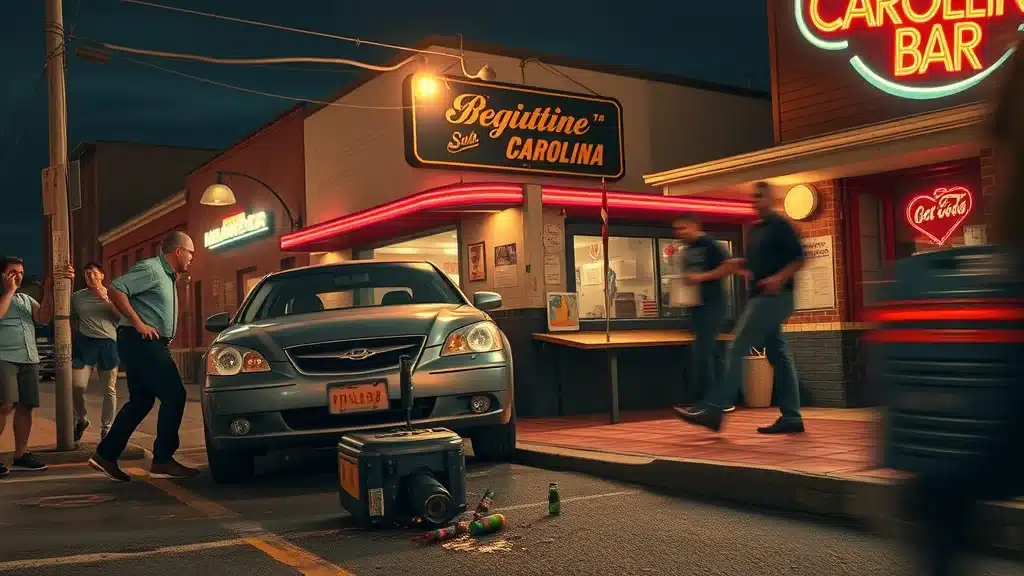
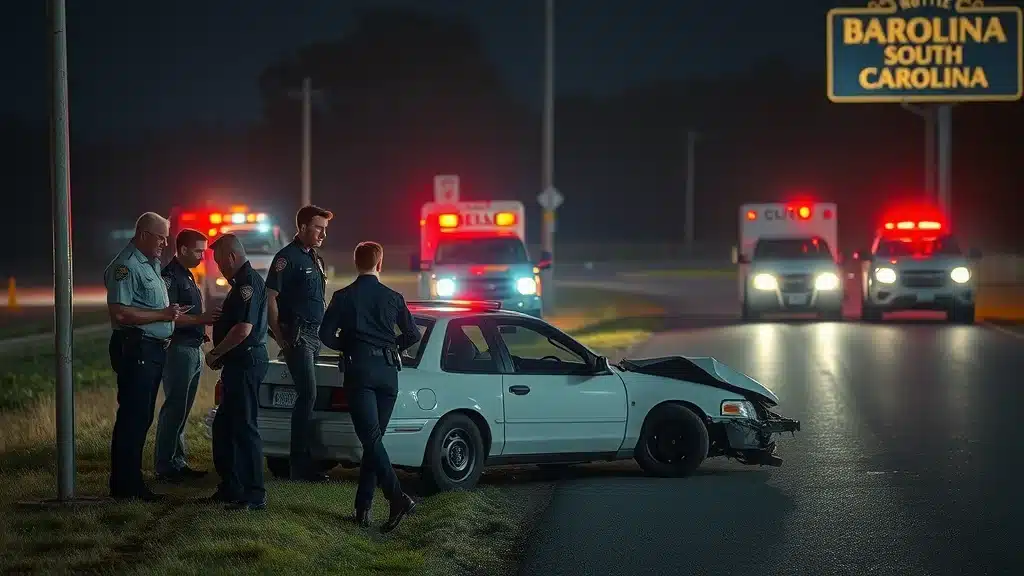
Sobering drunk driving aftermath scene in South Carolina with crashed car, concerned people, and police lights near a rural bar at night

Why Every Bar Owner Should Understand Dram Shop Laws

For anyone serving alcohol in South Carolina, understanding dram shop laws is not optional—it’s a business imperative. Dram shop laws hold bars, restaurants, and any entity licensed to sell or serve alcohol responsible if they serve a visibly intoxicated person or a minor who causes an accident. In practical terms, this means that the risk of a deadly or injurious accident is ever present; if you or your staff make a mistake, your establishment could face a shop liability claim that threatens everything you’ve built.

These laws aren’t just abstract rules; prosecutions, settlements, and insurance payouts are a daily reality. Dram shop laws drive everything from how businesses train staff to when a bartender should say no to another round. Failure to implement and document proper server training and responsible service can make it very difficult to defend your business when—or if—a dram shop case is brought. Proactively understanding and respecting these laws is your first and best line of defense.

“One out of every three fatal South Carolina car accidents involves a drunk driver.” – South Carolina Department of Public Safety

What You’ll Learn About Bars, Dram Shop Liability, and South Carolina Law

  • What happens if a drunk customer causes an accident in South Carolina?
  • How dram shop laws affect bar and restaurant owners
  • What penalties and civil claims may follow a car accident involving a drunk driver
  • The specific risks and responsibilities in South Carolina
  • How to protect your business from liability

Understanding What Happens If a Drunk Customer Causes an Accident in South Carolina

When an intoxicated customer leaves your bar and is later involved in a car accident, the legal consequences ripple out in ways many business owners aren’t prepared for. What happens if a drunk customer causes an accident in South Carolina? Here’s the stark reality: police and investigators will often trace an intoxicated driver’s last stops, and if your establishment is named, you’ll face immediate scrutiny under South Carolina dram shop law. The sequence begins with accident investigation, possible criminal charges for the driver, but it doesn’t stop there — establishments that served the drunk driver may also be pulled into the legal fray.

Law enforcement will investigate bar staff, receipts, surveillance footage, and witness statements to determine whether the driver was served alcohol while visibly intoxicated, or whether underage service occurred. If it’s proven that your staff contributed to a drunk driving accident by illegally serving the driver, you could be facing not only regulatory penalties but substantial civil liability suits from those injured. Establishments need to prepare for a process that is stressful, public, and expensive, even if liability isn’t ultimately proven.

To further understand how liquor liability insurance can specifically protect your establishment from the financial fallout of dram shop claims, explore the detailed coverage options and compliance strategies outlined on the South Carolina Liquor Liability Insurance resource page.

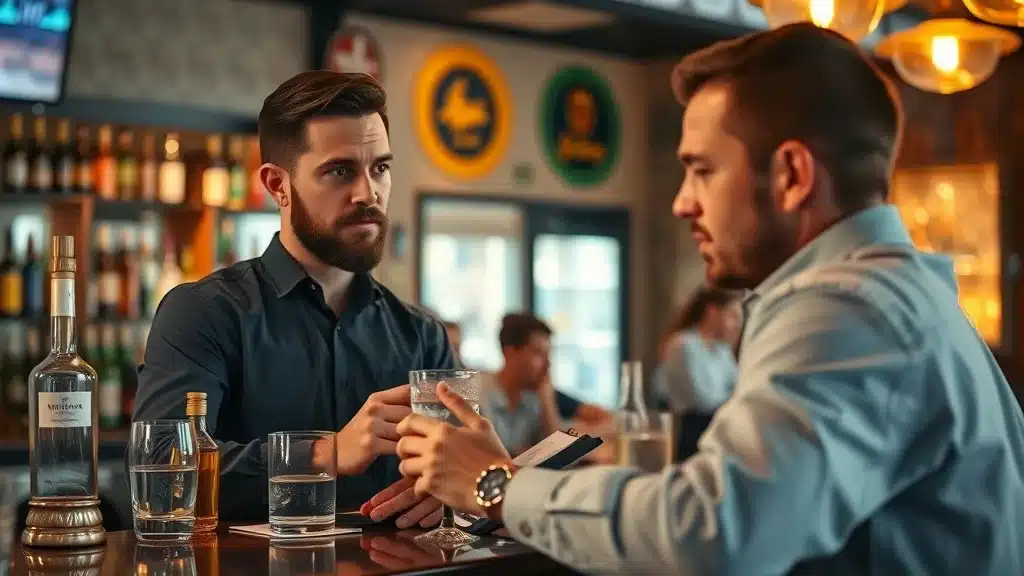
Bartender in South Carolina observing and refusing to serve a visibly intoxicated customer, promoting dram shop liability awareness

Legal Definition of Dram Shop Liability in South Carolina

Dram shop liability refers to a legal doctrine under which establishments that serve alcohol can be held responsible for harm caused by customers who become intoxicated and subsequently injure others in a car accident. In South Carolina, the dram shop laws aren’t a single statute, but stem from court decisions and statutory rules that allow victims of drunk driving accidents to sue bars, restaurants, or retailers. Liability can attach to anyone who unlawfully serves a patron that is either visibly intoxicated or underage.

For example, if a bartender serves someone who is slurring their words or stumbling, and that person later becomes an intoxicated driver who causes a drunk driving accident, the bar could face a dramatic shop case for damages. The consequences are rarely minor—damages can include medical costs, lost wages, pain and suffering, and punitive damages in certain situations. Understanding dram shop law is fundamental for anyone holding a liquor license in South Carolina. The stakes—financial and reputational—couldn’t be higher.

“South Carolina dram shop laws can hold alcohol-serving establishments liable for damages if a drunk customer they served causes a car accident.” – Legal Expert

How Social Host and Dram Shop Laws Intersect

Dram shop laws focus on commercial establishments, but South Carolina also recognizes the concept of social host liability. Social hosts—private individuals hosting a party or event—may also be held liable if they serve minors who are then involved in an accident. Both dram shop and social host laws are intended to reduce harm from alcohol overservice, but the triggers for liability differ. In a dram shop claim, the establishment is scrutinized for serving a visibly intoxicated or underage customer, while social host liability focuses on non-commercial hosts serving underage drinkers.

The laws overlap in the sense that both hold servers accountable if their actions contribute to a drunk driving accident. What matters most for both bar and event hosts is knowing the signs of intoxication, strictly enforcing ID checks, and documenting refusals. Liability risk extends beyond the barroom and into private gatherings, so understanding the difference and intersection between these two shop laws is crucial for managing risk.

Law Type Applies To Liability Trigger
Dram Shop Law Bars, Restaurants Serving visibly intoxicated or underage patrons who cause a drunk driving accident
Social Host Law Private Individuals/Hosts Serving minors who later cause a car accident

Dram Shop Laws: The Bar’s Liability After an Accident

Understanding dram shop law is critical because it directly determines what happens if a drunk customer causes an accident in South Carolina. If a civil suit is brought against a bar or restaurant after a car accident, the plaintiff must prove specific elements spelled out in South Carolina shop laws. Most importantly, these claims test whether your team served a customer who was already visibly intoxicated and whether this service contributed to a subsequent drunk driving incident.

In many shop cases, establishments face high-dollar lawsuits from injury lawyers seeking compensation for victims of drunk drivers. If multiple people are injured in one car accident, damages can quickly spiral beyond standard insurance limits, and your bar’s bottom line is put at serious risk. The plaintiff only needs to show that your establishment’s service was a proximate cause of injury—a far different standard than proving intent or criminal negligence. That’s why having a thorough understanding of dram shop liability, rigorous compliance routines, and robust liquor liability insurance is essential for every alcohol-serving business.

Elements Required to Prove Dram Shop Liability in a Car Accident

  • The customer was served while visibly intoxicated
  • The bar’s actions directly contributed to the drunk driving accident
  • The resulting injury or car accident occurred in South Carolina

Plaintiffs in a dram shop case must clearly show three main elements: First, the customer must have been served alcohol while they were already showing signs of visible intoxication, like slurred speech, impaired balance, or erratic behavior. Second, the bar’s service must be a direct factor leading to the car accident. Documentation such as video evidence, transaction records, and witness statements play a pivotal role in either proving or defending against shop liability. Finally, the incident must have occurred in South Carolina for the state’s dram shop laws to apply.

Successfully defending a shop case hinges on employee training, visible refusal of service, and diligent documentation. Without these, your business may be **held liable** for damages that can seriously threaten financial stability, reputation, and even continued licensure to serve alcohol.

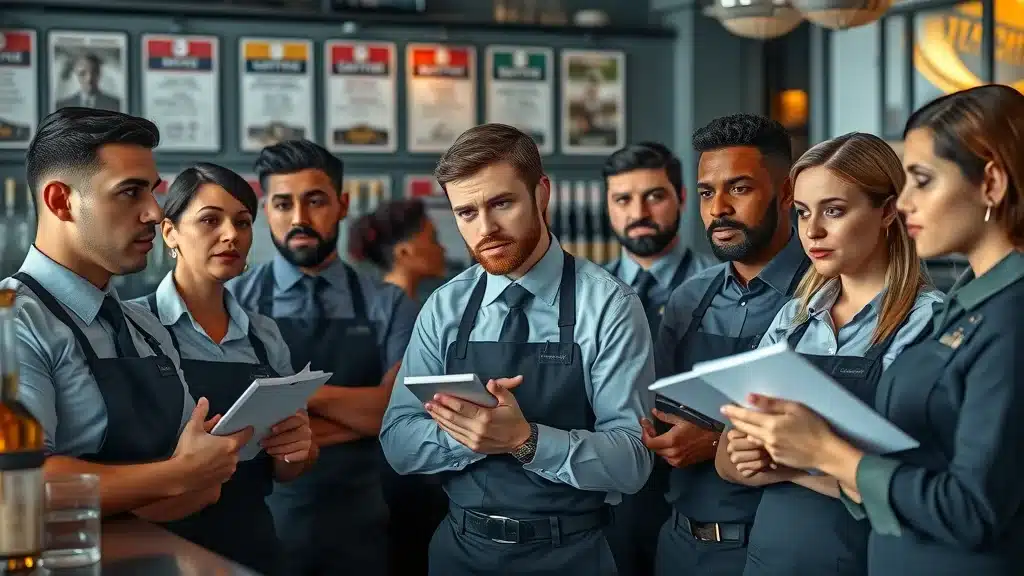
Bar staff undergoing dram shop law compliance training in South Carolina, with compliance checklists and notepads

Common Dram Shop Cases in South Carolina

South Carolina courts see a steady stream of dram shop liability lawsuits every year. Common scenarios include bars serving guests late at night after clear signs of intoxication, bartenders failing to verify ID for underage drinkers, or establishments neglecting to train staff on how to spot impairment. These dram shop cases often gain media attention and can result in public scrutiny, not to mention significant personal injury awards.

Some high-profile shop cases in the state have involved multi-victim car accidents, settlement payouts in the millions, and even criminal charges for owners or staff members who disregarded basic precautions. Repeat violations or patterns of non-compliance can also draw harsher regulatory penalties, including license suspension or revocation. For bar owners, studying past dram shop cases is a powerful reminder that what happens inside your establishment can follow you long after a customer walks out the door, making prevention the only safe route.

How a Car Accident Proceeds After a Drunk Customer Leaves Your Bar

When a car accident involving a drunk driver is reported, law enforcement agencies in South Carolina move quickly to determine who may be at fault—including possible liability for establishments under dram shop law. Police will gather accident evidence, interview witnesses, and track down where the driver may have consumed alcohol last. The investigation can escalate quickly, placing significant pressure on bar owners and staff to provide accurate information and documentation.

The formal investigation often leads to a bar’s POS records being subpoenaed, review of video surveillance, and interviews with employees, as authorities look for signs of overservice or improper conduct. The establishment may be notified of a pending shop claim, and should engage legal counsel and their insurance provider immediately. Businesses that proactively cooperate and have trained staff and complete records are better positioned to respond to these inquiries, potentially minimizing the scope and impact of any legal action.

Immediate Steps: Reporting and Investigation

  • Law enforcement response to drunk driving accidents
  • Investigation of the drinking establishment’s role

The first step following a serious car accident involving a drunk driver is the rapid response of police and emergency medical personnel. Once they confirm that a driver is intoxicated, the next step is to trace their movements prior to the crash. Police will visit bars and restaurants along the route, interview staff, and request transaction and surveillance records. This immediate investigative action is essential for establishing or ruling out dram shop liability under South Carolina law.

For business owners, the investigation can be intense, requiring you and your employees to recount events precisely, produce receipts, and provide access to your camera systems. Strong employee training around South Carolina dram shop law compliance and prompt documentation of service refusals or incidents can make the investigative process much smoother. Failing to cooperate or produce records can heighten suspicion and increase your legal risk.

Police interviewing a South Carolina bar manager after a suspected drunk driving car accident, demonstrating dram shop law investigation

Potential Lawsuits and Shop Claims

After the police complete their investigation, the next wave of risk comes as injured parties or their families file civil lawsuits—known as shop claims—against the establishments that served the drunk driver. Plaintiffs often work with a personal injury lawyer to pursue compensation for everything from medical bills to loss of income and pain and suffering. For bars and restaurants, even defending a dram shop claim can be expensive and time-consuming, with potential for reputation damage if the case becomes public.

Shop cases in South Carolina frequently involve not just the drunk driver, but one or more bars, restaurants, or event hosts that may have served them. Multi-defendant litigation is common. The existence of video evidence, staff testimony, or clear records of visible intoxication can be the difference between a dismissed suit and a devastating liability verdict. Proactive risk management, strict adherence to state shop law, and documentation of every relevant incident are the only reliable protections against the fallout from these claims.

South Carolina bar owner and attorney reviewing dram shop liability documents after a car accident

Civil vs. Criminal Liability for Bars and Restaurants

It’s essential to know that liability after a drunk driving accident can be both civil and criminal. In civil shop cases, bars are sued for monetary damages related to the accident. However, in especially severe or egregious scenarios—such as willful overservice, or in cases involving underage drinkers—criminal prosecution of servers or management is possible. The state may seek fines, licensing sanctions, or even jail time.

For most businesses, civil liability underscores the necessity of carrying robust liquor liability insurance that covers dram shop claims. But criminal liability, though rarer, has permanent consequences for both businesses and individuals. The distinction between civil and criminal cases often comes down to how egregious the service was and whether there’s evidence of repeated neglect of shop law compliance requirements. Strong training, clear policies, and meticulous documentation are a business owner’s best defense.

Compliance and Risk Management for Bar Owners: Avoiding Shop Law Violations

Successful bar and restaurant owners in South Carolina see compliance with dram shop laws not as a burden, but as an operating principle. With the consequences of a single shop case placing your business at risk, proactive compliance and risk management isn’t optional. Every business serving alcohol needs comprehensive policies, regular staff training, thorough documentation practices, and robust insurance coverage to prevent, detect, and document overservice events.

Risk management strategies that go above and beyond South Carolina law—such as using professional ID scanners, holding monthly dram shop compliance reviews, and routinely documenting refusals of service—signal to both insurers and investigators that your business takes public safety seriously. This reduces your exposure in shop claim litigation, improves your insurability, and ultimately protects your bottom line and your community.

Employee Training and Monitoring for Dram Shop Compliance

  • Recognizing visible intoxication for South Carolina dram shop compliance
  • Documentation best practices

The cornerstone of dram shop compliance is employee education. Staff should be able to recognize common signs of visible intoxication (plodding movements, slurred speech, glassy eyes, impaired coordination) and know both when and how to refuse service legally. South Carolina’s dram shop law expects businesses to act as a first line of defense in preventing car accidents by refusing to serve impaired or underage patrons.
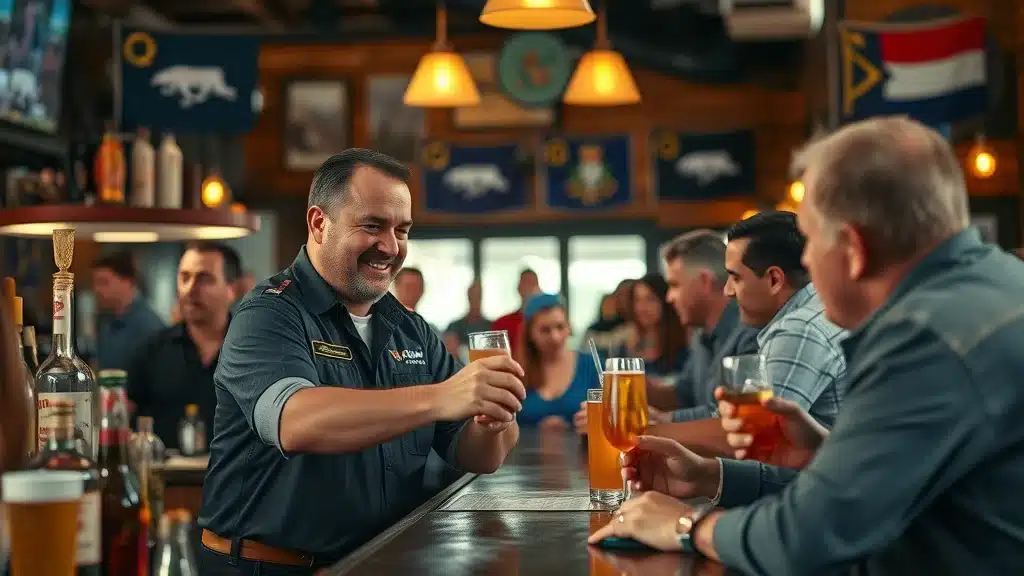
Equally important is documentation. At the end of every shift, staff should record any incidents—such as service refusals or customer interventions—in a compliance log. This log should include who was involved, what was observed, and what action was taken. In the event of a shop law investigation, thorough, contemporaneous documentation makes it far easier to defend your business and prove that you acted in accordance with South Carolina dram shop laws.

Bartender in South Carolina filling out a compliance log for dram shop liability and risk management

Insurance Solutions: South Carolina Liquor Liability Insurance

Even with the best training and documentation, accidents and lawsuits still happen. That’s why every bar, restaurant, or catering business serving alcohol in South Carolina should have liquor liability insurance. This specialized insurance is designed specifically to cover claims arising from violations of dram shop law, including legal defense costs, settlements, and judgments. Without it, the financial consequences of a single drunk driving accident can be ruinous.

A comprehensive risk management strategy often blends liquor liability insurance and general liability policies. The former addresses claims tied to the sale or service of alcohol and shop law violations, while the latter covers general risks like slip-and-fall accidents unrelated to alcohol service. To ensure you’re protected, work with experienced agents who understand the nuances of South Carolina dram shop cases.

Insurance Option What It Covers
Liquor Liability Policy Claims from drunk driving accidents, dram shop law violations, social host responsibility
General Liability Non-alcohol-related claims (slip and fall, etc.)

Recent Regulatory Trends and Noteworthy Dram Shop Cases in South Carolina

The last decade has seen a profound shift in how South Carolina enforces shop law and regulates alcohol-serving establishments. Dram shop law updates have increased both the minimum required liquor liability insurance and penalties for violators. The state courts are seeing higher-profile personal injury litigation tied to bar overservice and more robust prosecution of repeat violators. The message is clear: enforcement is on the rise, and every hospitality business must keep up to date or face steep penalties.

Recent dram shop cases in South Carolina—some stretching into multimillion-dollar settlements—have involved both urban bars and rural venues, demonstrating that no business is immune. Regulatory focus now includes reviewing staff training records and compliance logs during investigations, making documentation more critical than ever. To safeguard your business, stay informed about regulatory trends and landmark court decisions.
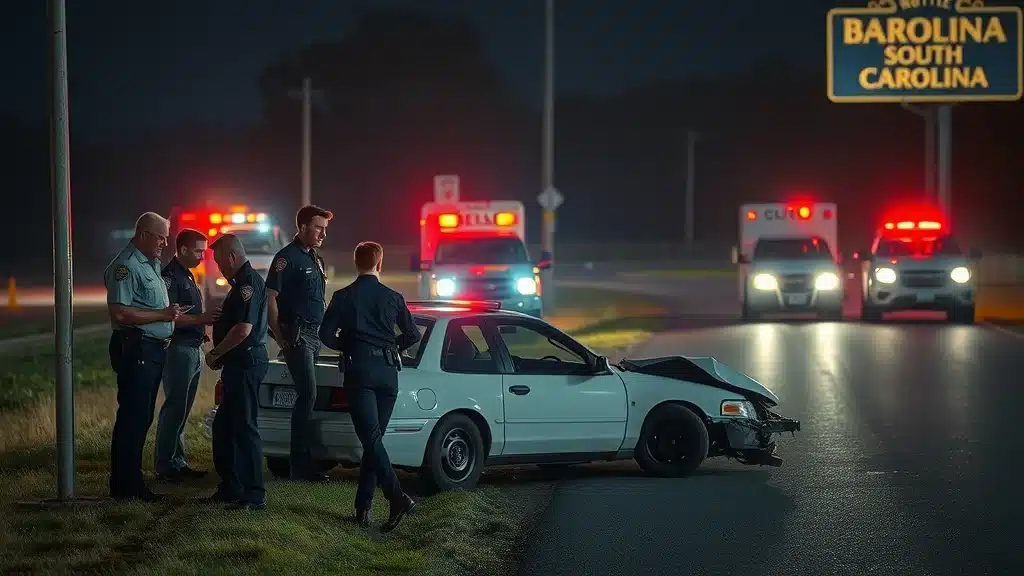
Iconic South Carolina courthouse where dram shop liability and drunk driving accident cases are heard

Enforcement Focus: Changing Attitudes Toward Drunk Driving Laws

South Carolina’s approach to drunk driving and dram shop enforcement has become notably stricter. Lawmakers, law enforcement, and courts increasingly see bars and restaurants as key players in public safety. License suspension rates have risen, civil judgments are increasing, and there’s less leniency for those who skirt compliance. Public awareness campaigns and high-visibility prosecutions aim to reinforce that everyone—from bartender to owner—is responsible for preventing drunk driving accidents.

For business operators, this means that what was once considered an isolated incident—such as serving one visibly intoxicated customer—can now trigger full-scale regulatory action and become a test case for the industry. The state’s leadership in dram shop law enforcement isn’t just about punishment; it’s about setting an expectation of care that every alcohol-serving venue must meet or exceed.

Landmark Dram Shop Law Cases in the State

South Carolina has seen several influential dram shop cases that play a key role in shaping current shop law and compliance approaches. One notable case involved a bar being held liable after serving a patron who caused a multi-vehicle car accident, resulting in significant civil damages and additional oversight from state regulators. These cases underscore the role of insurance, documentation, and compliance training in defending against shop claims.

Each landmark case also adds to the body of precedent that future dram shop liability suits will cite. For hospitality businesses, following the lessons of these shop cases—both in their victories and mistakes—means proactively updating policies, retraining staff, and reviewing coverage. The legal landscape is always evolving, and staying informed on recent court decisions is crucial.

People Also Ask: Your Top Questions Answered

Can I sue someone who hit me while drunk?

Answer: Yes, you can sue a drunk driver for damages after a car accident, and you may also have a claim against the bar or social host under South Carolina dram shop laws if it can be shown they contributed to the incident.

What is the penalty for drunk driving in South Carolina?

Answer: Penalties for drunk driving in South Carolina include heavy fines, license suspension, mandatory alcohol education, and possible jail time—especially if a car accident resulted from the offense.

Can a bartender be held liable for a drunk driving accident?

Answer: Yes. If a bartender, server, or establishment serves alcohol to a visibly intoxicated person who later causes a car accident, South Carolina’s dram shop liability laws may hold the bar or employee financially liable.

What is the new liquor liability law in South Carolina?

Answer: The latest updates to South Carolina liquor liability law now require certain alcohol-serving establishments to carry mandatory liquor liability insurance and heighten penalties for violations under dram shop laws.

Key Takeaways for South Carolina Bar and Restaurant Owners

  • Understanding dram shop and social host laws is critical to reducing your business risk
  • Liability for a drunk customer causing an accident can be severe in South Carolina
  • Compliance, training, and proper liquor liability insurance are your best protections

FAQs About What Happens If a Drunk Customer Causes an Accident in South Carolina

  • What is ‘visible intoxication’ under South Carolina dram shop law?
  • How can a bar document responsible service?
  • What common mistakes lead to shop liability cases?
  • Are there defenses for bars facing a dram shop claim?

Protect Your Business with South Carolina Liquor Liability Insurance

Learn more or get covered today atSouth Carolina Liquor Liability Insurance

Conclusion: South Carolina’s dram shop and social host laws demand vigilance, training, and protection. Stay compliant, keep your documentation robust, and invest in the right insurance to shield your business—and your community—from the dangers and liability of drunk driving incidents.

If you’re ready to take your risk management strategy to the next level, consider exploring the broader landscape of liquor liability insurance in South Carolina. Understanding the full spectrum of coverage options and regulatory requirements can empower you to make informed decisions that safeguard your business for the long term. For a comprehensive overview of policy features, compliance tips, and expert guidance tailored to South Carolina’s unique legal environment, visit the South Carolina Liquor Liability Insurance site. Investing in the right protection today means greater peace of mind and resilience for your business tomorrow.

Sources

In South Carolina, establishments that serve alcohol can be held legally responsible if a patron they served causes an accident due to intoxication. This liability is rooted in the state’s dram shop laws, which, while not codified in a single statute, are enforced through various legal provisions and court decisions. Understanding Dram Shop Liability in South Carolina Dram shop liability refers to the legal responsibility of alcohol-serving establishments when they serve alcohol to individuals who are either underage or visibly intoxicated, and those individuals subsequently cause harm to others. In South Carolina, this liability is established through statutes such as South Carolina Code § 61-4-580, which makes it illegal for establishments to knowingly sell alcohol to an intoxicated person or to a minor. When a business violates these rules and the customer subsequently causes an accident, the business may be held legally responsible for the resulting injuries or deaths. (greenvillelegal. com) Key Elements of Dram Shop Liability To establish dram shop liability in South Carolina, the following elements must be proven: Service of Alcohol: The establishment served alcoholic beverages to the individual. Visible Intoxication or Underage Service: The individual was either visibly intoxicated at the time of service or was under the legal drinking age. Causation: The service of alcohol was a proximate cause of the subsequent accident or injury. Evidence such as witness testimonies, surveillance footage, and transaction records can be crucial in establishing these elements. (tedlaw. com) Recent Changes to South Carolina’s Dram Shop Laws As of January 1, 2026, significant changes to South Carolina’s dram shop laws have taken effect: Elimination of Full Joint Liability: Previously, establishments could be held fully responsible for damages even if they were only partially at fault. Under the new law, an establishment’s liability is now capped at 50% of the plaintiff’s damages, with fault allocated among all responsible parties. (greenvillelegal. com) “Knowingly” Standard for Liquor Sales: Establishments can now only be held liable if they knowingly serve alcohol to a person who is already intoxicated. This requires proof that the establishment or its employees knew or reasonably should have known that the person was intoxicated, based on observable signs such as slurred speech or unsteady movement. (swilleylaw. com) Mandatory Training Requirements: All servers and managers must complete state-approved alcohol training within 60 days of employment. This training focuses on recognizing signs of intoxication, proper ID verification, and understanding civil liability related to alcohol service. (greenvillelegal. com) Implications for Bar and Restaurant Owners These legal provisions underscore the importance for bar and restaurant owners to implement rigorous training programs for their staff, establish clear policies for refusing service to intoxicated or underage patrons, and maintain comprehensive records of alcohol service. Additionally, carrying adequate liquor liability insurance is essential to mitigate potential financial risks associated with dram shop claims. By adhering to these practices, establishments can better protect themselves from legal liability and contribute to the safety and well-being of the community.