
How Dram Shop Lawsuits Actually Work in South Carolina
Did you know? More than one-third of all fatal car accidents in South Carolina involve alcohol impairment. This statistic isn’t just alarming—it fundamentally raises the stakes for every bar, restaurant, and alcohol-licensed establishment in the state. If you serve alcohol in South Carolina, understanding how dram shop lawsuits work is no longer optional. It’s essential for the safety of your customers, the integrity of your business, and your bottom line.
“More than one-third of all fatal car accidents in South Carolina involve alcohol impairment, raising the stakes for every alcohol-licensed business.”

Startling Statistics: Alcohol, Liability, and Dram Shop Lawsuits in South Carolina
In South Carolina, the interplay between alcohol service and liability is more significant—and more litigious—than in most states. According to the Department of Public Safety, nearly 36% of all traffic deaths in recent years had alcohol as a primary factor. This figure isn’t just a public health warning; it also illustrates why the number of dram shop lawsuits has surged, targeting bars, restaurants, nightclubs, and special event hosts alike.
Such statistics underscore the real-world exposure faced by alcohol-serving businesses statewide. Not only are these establishments potentially implicated in lawsuits following drunk driving accidents, but insurance companies and personal injury lawyers actively scour for violations of dram shop law after every incident. In the eyes of the law, it’s not just about who poured the drink, but about how, when, and to whom it was served. This context frames the urgent need for clear policies, staff training, legal awareness, and robust liquor liability insurance to minimize financial and reputational damage.
What You’ll Learn About How Dram Shop Lawsuits Work in South Carolina
- The definition and scope of dram shop law in South Carolina
- Who can be held liable in dram shop cases
- Step-by-step process of a dram shop lawsuit
- Differences between dram shop and social host liability
- How to reduce exposure and protect your business
Understanding Dram Shop Law: The Foundation of Shop Liability in South Carolina
Dram Shop Law vs. General Shop Laws: Key Differences for South Carolina Businesses
General shop laws in South Carolina cover everyday business risks—slip and falls, property damage, and employee-related incidents. Dram shop law, however, is laser-focused on alcohol service and the specific responsibilities tied to it. Unlike general liability coverage, dram shop statutes directly address when a business can be held liable if a customer, after being served, causes injury to themselves or others—most commonly by drunk driving or assault.
For business owners, this legal distinction is not minor. The obligations surrounding alcohol service are strict: South Carolina makes it illegal to serve alcohol to visibly intoxicated persons or minors. If a bar, restaurant, or entertainment venue violates this rule and an injury or accident follows, plaintiffs—in collaboration with a law firm—may pursue damages under the dram shop statute, bypassing more generic injury laws. As enforcement intensifies, it’s clear that every alcohol-serving business must recognize the unique touchpoints where dram shop law applies, as exclusions and policy loopholes are often used by insurers to deny claims stemming from improper service.
What Is Dram Shop Liability and Why Does It Matter?
Dram shop liability is the legal concept holding establishments responsible when serving alcohol ends in harm. Rooted in the principle that businesses profit from alcohol sales, South Carolina dram shop laws are designed to prevent avoidable tragedies by placing accountability directly on providers.
The stakes for ignoring these laws are high: Lawsuits can include claims for medical bills, lost wages, pain and suffering, and even punitive damages. The reality is that being unaware or unprepared is no defense; failing to train staff or document refusals of service regularly leads to devastating financial consequences. In today’s regulatory landscape, dram shop liability isn’t abstract—it’s a daily operational risk, with every pour carrying potential exposure.
“Dram shop laws in South Carolina are designed to hold alcohol providers accountable for the real-world harm that can result from negligent service.”
Who Can Be Held Liable Under South Carolina Dram Shop Statutes?
Bars, Restaurants, and Shop Law: Types of Businesses Affected
South Carolina explicitly applies dram shop statutes to businesses licensed to serve alcohol: bars, grills, restaurants, clubs, breweries, and even event venues that hold special liquor licenses. All it takes is one lapse in judgment—serving an intoxicated or underage person—for an establishment to face liability in a shop case. Notably, South Carolina courts have underscored that licensees are responsible not only for what happens inside their premises but also for incidents that occur once a customer leaves, particularly if they become a drunk driver in a car accident or cause another driving accident.
Compared to social host situations, these businesses are under continuous legal scrutiny. Plaintiffs’ attorneys and insurance adjusters routinely audit sales data, video footage, and staff credentials in every dram shop case. The net effect is that failing to comply with shop law is effectively an invitation for expensive, drawn-out litigation that threatens not just profits but the survival of the entire business.
Social Host vs. Dram Shop Liability: What’s the Difference?
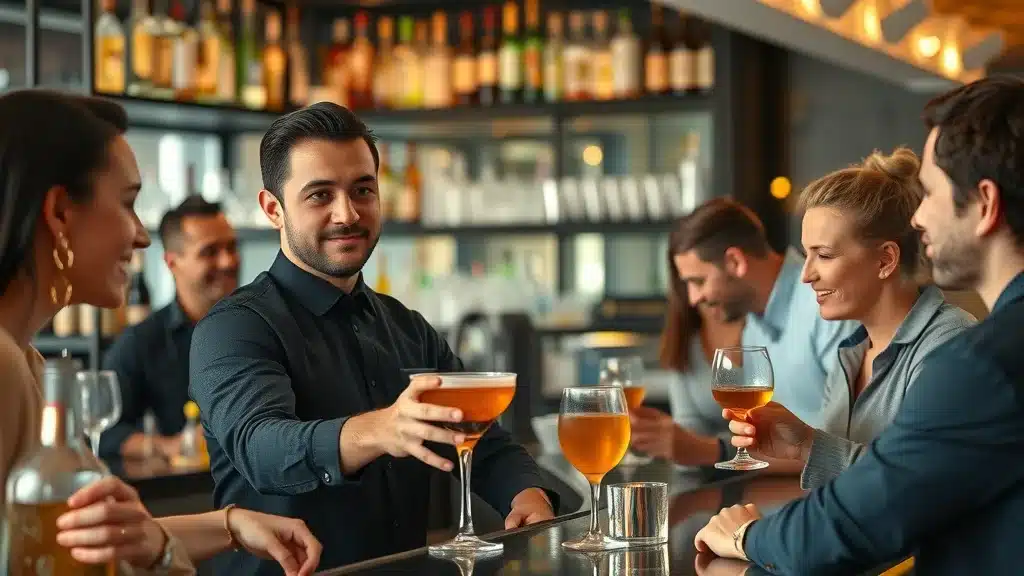
Understanding how dram shop lawsuits work in South Carolina depends on distinguishing business liability from that of private individuals, or social hosts. Dram shop law targets businesses—licensed sellers of alcohol—while social host liability generally covers private individuals hosting parties or gatherings. However, South Carolina draws a clear line: businesses can be held liable simply for serving an intoxicated person, whereas social hosts are usually not subject to this strict standard except under specific dram shop statute exceptions, such as serving minors.
Knowing this distinction is critical for risk management. Businesses face stiffer insurance requirements and legal obligations, while private parties have fewer statutory duties unless they serve minors. The dividing line informs compliance strategies and dictates the kinds of defenses available for each scenario—making it a foundational concept for any owner-operator or staff training on shop liability in the state.
| Factor | Dram Shop Liability | Social Host Liability |
|---|---|---|
| Scope | Licensed businesses (bars, restaurants, event venues) | Private individuals hosting non-commercial events |
| Legal Standard | Serving to intoxicated persons/minors strictly prohibited | Liable mainly if alcohol served to minors |
| Typical Scenarios | Customer leaves a bar, causes DUI injury accident | Home party where minor guest is served alcohol |
| Insurance Implications | Liquor liability policy often required | May not be covered by homeowners’ insurance |
How Dram Shop Lawsuits Work in South Carolina: Step-by-Step Process
- Reporting and investigation of an incident
- Establishing personal injury and causation
- Evidence gathering (surveillance, receipts, witness statements)
- Role of law firms and insurance companies
- Common defenses in dram shop cases

Dram shop litigation unfolds quickly after an incident. Step one is often the reporting of a drunk driving accident or injury law violation, triggering investigations by police, victims’ attorneys, and insurance companies. Next comes the process of establishing causation—demonstrating that over-service of alcohol was a direct factor in the resulting harm.
The third step is evidence gathering. This phase can be grueling for businesses: law firms will subpoena surveillance footage, receipts, digital sales logs, and even staff scheduling records to build a timeline of the service. Witness testimony and expert analysis help pinpoint lapses in policy or judgment. Throughout, insurance company adjusters assess exposure and determine if coverage defenses (such as lack of training documentation or failure to comply with specific dram shop requirements) can limit their payout. Finally, most dram shop cases hinge on whether the establishment can show it followed mandatory South Carolina training standards and made a good-faith effort to verify patron sobriety. Failing to do so leaves the door wide open for settlements and punitive damages.
Dram Shop Laws and Their Role in South Carolina Driving Accident and Injury Cases
How Dram Shop Cases Unfold After a Drunk Driving Accident
Following a drunk driving accident, the legal spotlight turns swiftly to any business that served the intoxicated person. Plaintiffs and law enforcement seek a trail: Was there visible intoxication? Did the staff ignore clear signs? Did proper ID verification and service refusal protocols occur? In many shop cases, civil suits quickly pile on top of criminal charges for the intoxicated driver, shifting partial liability onto the establishment under dram shop laws.
This legal strategy creates a high-risk environment for South Carolina’s bars and restaurants. Even when the business isn’t the root cause, inadequate compliance or documentation often turns it into a target for personal injury or wrongful death claims. The upshot: robust training, real-time monitoring, and policy enforcement are not just regulatory requirements—they’re survival tools against devastating legal and financial fallout.
Real-World Shop Liability: Recent Claims and Regulatory Trends
South Carolina courts have seen a marked rise in dram shop claims, especially as law firms increasingly specialize in alcohol-related accident law. Recent regulatory updates clarify what constitutes “visible intoxication” and mandate electronic recordkeeping for alcohol service. At the same time, insurance company scrutiny intensifies, with carriers often auditing establishments’ compliance before renewing or issuing liquor liability policies.
These realities amplify the importance of staying ahead of trends: failure to adapt training protocols or update service records in accordance with evolving South Carolina dram shop law can mean the difference between a defended claim and a multi-million dollar payout. Success stories have come from proactive businesses who regularly partner with legal counsel and insurance professionals—creating an ecosystem of compliance before a single drop is poured.
Explaining Dram Shop Laws in South Carolina: What Business Owners Need to Know
Key Evidence and Legal Standards in Dram Shop Liability Lawsuits
- Proof of intoxication
- Linking service to the injury event
- Usage of expert testimony
- Differences between personal injury and wrongful death cases
Key evidence drives nearly every dram shop liability case. The plaintiff’s law firm must show: (1) the business served a visibly intoxicated person or minor; and (2) this act directly led to a personal injury case or wrongful death. This often requires receipts that match time stamps with surveillance video, witness accounts stating the customer slurred speech, staggered, or acted disorderly, and sometimes expert testimony reconstructing blood alcohol content at the time of service.
Insurance companies and legal teams scrutinize this evidence line by line. Notably, standards differ between personal injury cases (where remedy is for medical and property damages) and wrongful death cases (which can add claims for loss of companionship and punitive damages). Either way, precise records are crucial to shield a business from catastrophic exposure. Missing video, ambiguous incident logs, or a lack of documented training can destroy otherwise solid defenses.

South Carolina Dram Shop Law Firm Insights: Lessons from Recent Litigation
“The most common mistake businesses make is underestimating how thoroughly plaintiffs’ attorneys will investigate sales records and staff training after an accident.”
South Carolina law firms focused on dram shop claims reveal a clear lesson: even meticulous businesses are at risk if they don’t document every interaction and staff action in compliance with current shop statute. Plaintiffs’ legal teams regularly subpoena point-of-sale data and cross-examine bartenders and managers about refusal protocols—placing a premium on evidence over intention.
Moreover, industry trends indicate that regulatory authorities are supporting plaintiff’s efforts with new compliance requirements. Widespread litigation is a wake-up call: failure to update policies, audit training logs, or enforce service refusals can put any alcohol-serving establishment in jeopardy. Risk management is now as much about recordkeeping as it is about education or customer care.
Minimizing Exposure: Shop Liability Insurance and Risk Management Strategies
Why Liquor Liability Insurance is Essential for South Carolina Businesses
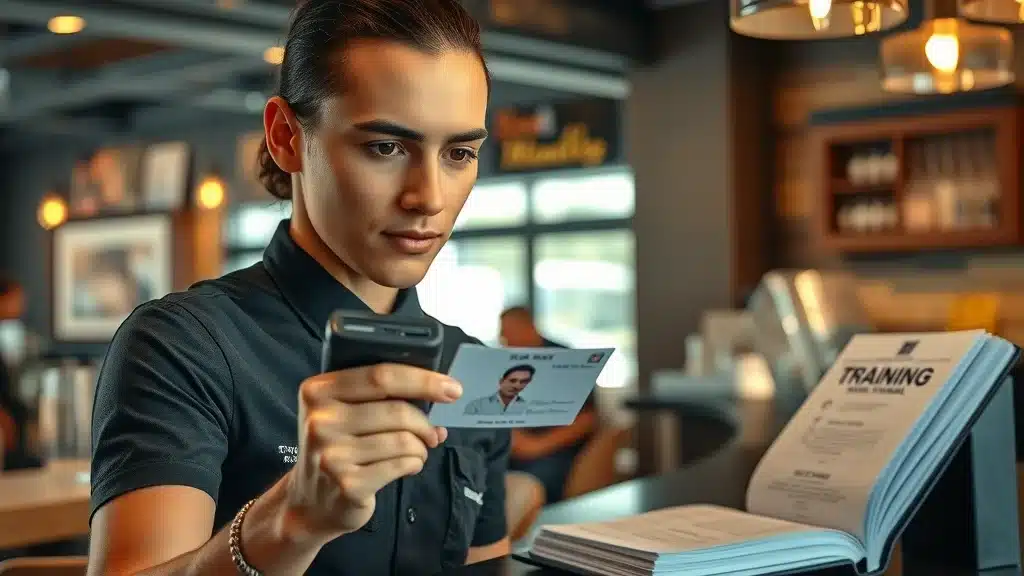
Carrying robust liquor liability insurance is non-negotiable for businesses operating under South Carolina dram shop laws. A single dram shop case can result in judgments far exceeding basic general liability limits—sometimes by millions. Most insurance companies require proof of mandatory staff compliance before issuing policies, and failure to meet these expectations can result in denial of coverage when it matters most.
This specialized insurance is designed to cover costs related to legal defenses, settlements, and potential damages if your establishment is held liable in a shop law or injury law dispute. It also addresses broader liability exposures—slip-and-fall, assault, fights initiated by intoxicated patrons—that might be excluded from standard business insurance policies. Reviewing your current policy with a local insurance advisor is essential to close gaps that could expose your business to catastrophic loss.
Staff Training, ID Verification, and Other Proactive Measures
- Mandatory staff training programs
- Documenting refusals of service
- Understanding specific dram shop statute requirements
- Policy reviews and regular compliance checks
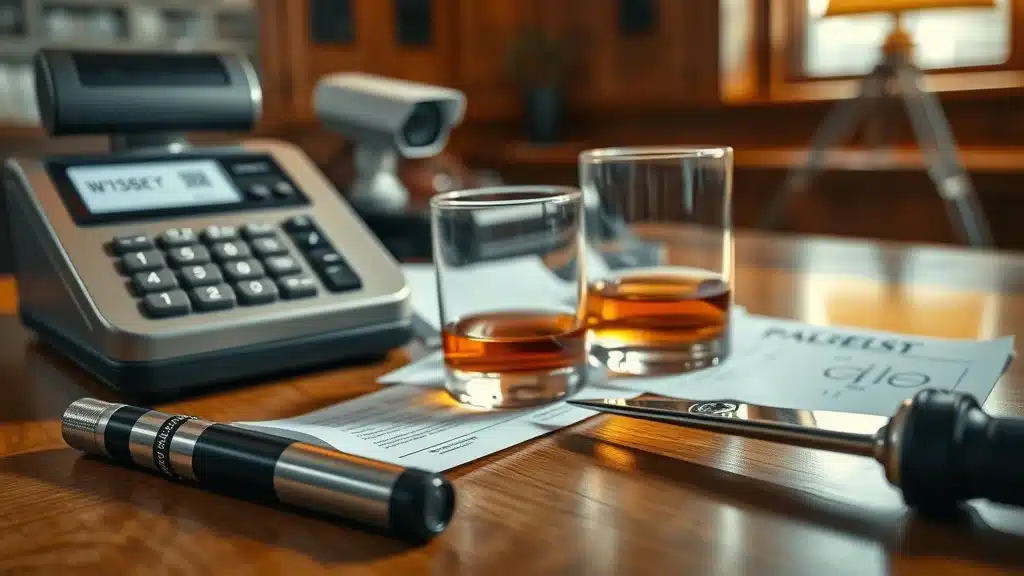
Ongoing education is the bedrock of dram shop compliance. South Carolina statutes now require that all alcohol-serving staff complete recognized training programs on the dangers of over-service, how to spot signs of intoxication, and how to politely and effectively refuse service without escalating conflict. Documenting these refusals is just as important: every turn-down should be written into a service log, supported by point-of-sale notes and, if possible, video evidence.
Regular policy reviews—at least quarterly—are essential to ensure that procedures for ID verification, incident reporting, and legal updates are actually followed in daily practice. These check-ins not only satisfy insurance company audits, but can also serve as key evidence should your business be involved in a dram shop case. The more robust and proactive your compliance, the more defensible your position becomes.
People Also Ask: The Most Common Questions About How Dram Shop Lawsuits Work in South Carolina
What is a dram shop law in South Carolina?
A dram shop law in South Carolina holds businesses accountable if they serve alcohol to visibly intoxicated persons who then cause injury or damages. This law ensures alcohol-serving establishments meet strict regulations to protect the public and reduce drunk driving or injury cases.
Can a social host be sued under South Carolina’s dram shop laws?
No, social hosts are generally not subject to dram shop liability, but may be liable in special circumstances, particularly involving minors. Businesses face stricter standards and are directly regulated under South Carolina’s dram shop laws, while private individuals are rarely held liable unless underage drinking is involved.
What kind of evidence is needed for a dram shop lawsuit?
Evidence can include receipts, surveillance footage, witness testimony, and proof of visible intoxication at the time of service. Documentation of staff training and compliance with shop law is also critical for defending against claims.
How long do I have to file a dram shop lawsuit in South Carolina?
The statute of limitations for dram shop lawsuits in South Carolina is typically three years from the date of injury. Acting quickly ensures access to necessary records and evidence to build a strong case.
FAQs About How Dram Shop Lawsuits Work in South Carolina
- Do insurance policies always cover dram shop liability?
Not all insurance covers dram shop liability. Specialized liquor liability insurance is necessary, as standard business policies often exclude claims involving alcohol service violations. - Are punitive damages available in South Carolina dram shop cases?
Yes, courts may award punitive damages when there is evidence of gross negligence or willful misconduct, especially if the defendant ignored repeated safety warnings or statutory training requirements. - What are the most common ways businesses violate the dram shop statute?
The top violations include failing to train staff, neglecting to document refusals of service, or serving alcohol to visibly intoxicated patrons or minors without proper ID checks.
Key Takeaways: Protecting Your Business Under South Carolina Dram Shop Laws
- South Carolina dram shop laws are strict and require rigorous compliance
- Documentation and insurance are your best lines of defense
- Ongoing education is key for risk mitigation
Final Thoughts: Practical Steps for Navigating Dram Shop Lawsuits in South Carolina
Understanding how dram shop lawsuits work in South Carolina is vital for every bar, restaurant, and event business. Proactive risk management, thorough documentation, and regular training aren’t just best practices—they’re critical legal protections in today’s stringent regulatory environment.
Ready to take action and secure robust coverage?
Connect with a South Carolina Law Firm or Insurance Professional Today
Partner with legal and insurance experts who understand South Carolina dram shop law. Proactive consultation ensures your compliance strategy adapts as regulations evolve and equips your business to respond immediately if an incident occurs.
Ready to protect your business? Learn more about Liquor Liability Insurance for South Carolina alcohol-serving establishments.
Don’t leave your business exposed. Get a personalized liquor liability insurance quote today from South Carolina Liquor Liability Insurance and fortify your business against real-world dram shop risks.
Sources
- South Carolina Department of Public Safety – https://scdps.sc.gov/ohsjp/statistics
- South Carolina Code of Laws, Title 61, Chapter 4 – https://www.scstatehouse.gov/code/t61c004.php
- South Carolina Liquor Liability Insurance – https://scliquorliabilityinsurance.com
- South Carolina Alcohol Beverage Control Regulations – https://www.abc.sc.gov/Regulations
Understanding how dram shop lawsuits work in South Carolina is crucial for alcohol-serving establishments aiming to mitigate legal risks. The article “South Carolina Dram Shop Law Updates 2025–2026” provides a comprehensive overview of recent legislative changes affecting liability for bars, restaurants, and event venues. It details the shift from joint and several liability to a proportional fault system, emphasizing the importance of these updates for businesses. (bergerlawsc. com) Additionally, “South Carolina Dram Shop Law: Major Changes Taking Effect in 2026” offers insights into the new “knowing” requirement, which mandates that establishments must have known or should have known about a patron’s intoxication to be held liable. This resource is invaluable for understanding the nuances of dram shop liability and implementing effective risk management strategies. (swilleylaw. com) For a deeper understanding of these legal frameworks and their implications, these resources provide essential information to help businesses navigate the complexities of dram shop laws in South Carolina.
