
Does General Liability Cover Alcohol-Related Incidents in South Carolina?
Did you know that over 40% of liquor liability claims in South Carolina involve business owners who discover—too late—that their general liability policy doesn’t cover alcohol-related incidents? If your South Carolina business serves alcohol, what you don’t know about liability coverage can cost you dearly. This in-depth guide reveals how general liability, liquor liability insurance, and dram shop laws intersect so you can shield your business from costly and unexpected claims. If you’re a bar owner, event host, or restaurant operator, understanding these risks could mean the difference between financial ruin and peace of mind.
Understanding General Liability Insurance in South Carolina
“Over 40% of liquor liability claims in South Carolina involve incidents that business owners thought were covered by their general liability policy—only to discover critical exclusions when it mattered most.”
General liability insurance is a cornerstone for most South Carolina businesses, offering important protection against claims involving third-party bodily injury, property damage, and personal and advertising injury arising from your business operations. Many business owners assume this coverage extends to all incidents—including those involving the sale, service, or consumption of alcoholic beverages. But here’s the risk: Most general liability policies contain clear exclusions for alcohol-related claims, especially when your business is engaged in serving or selling alcohol as part of its regular operation. This exclusion is critical—and often overlooked until a claim or lawsuit is already underway. In our work with South Carolina restaurants, bars, and event venues, we’ve seen many cases where a severe incident exposed this dangerous gap in coverage. Understanding where your policy stands is not just good business—it’s vital risk management.

What You’ll Learn About General Liability and Alcohol-Related Incidents
- Key differences between general liability and liquor liability insurance
- What general liability insurance typically covers—and what it does not
- How South Carolina’s dram shop laws impact your liability exposure
- Practical coverage scenarios for your business
- How to decide if you need additional liquor liability insurance
Overview of Liability Insurance: Key Concepts for South Carolina Businesses
What Is General Liability Insurance?
General liability insurance, sometimes called commercial general liability (CGL), is designed to protect South Carolina business owners from the day-to-day risks of third-party bodily injury, property damage, and lawsuits tied to business operations. Whether a customer slips on a wet floor, or a vendor’s property is damaged during delivery, general liability steps in to cover those losses. Importantly, this type of liability insurance is not just for bars or restaurants; every business—regardless of industry—should carry some level of protection. However, one of the biggest misconceptions is that general liability cover alcohol related incidents no matter the circumstances. In reality, most policies strongly differentiate between standard business risks and those associated with alcohol service. For South Carolina businesses where alcohol is present, a careful policy review is essential to find out what your liability policy does—and does not—include. This distinction is particularly vital due to South Carolina’s tightened claims environment and recurring liquor liability lawsuits. For a more detailed breakdown of how liquor liability insurance works specifically in South Carolina, including coverage options and legal requirements, you can review the comprehensive guide on South Carolina Liquor Liability Insurance. This resource offers tactical insights for business owners navigating the complexities of alcohol-related risk.
What Does Liability Insurance Cover and Exclude?
General liability insurance provides broad coverage for a range of incidents. Typical covered claims include: customer slips and falls, non-alcohol-related property damage, and some forms of reputational or advertising injury. However, when it comes to alcoholic beverages, things quickly get complicated. Most liability policies contain an exclusion for liquor-related claims if your business is engaged in serving alcohol as a regular part of its operations (for example, restaurants, bars, breweries, and catering companies). These exclusions mean that if you have a claim stemming from an intoxicated patron—such as injuries, property damage, or even legal defense costs—your general liability policy likely will not help. Liquor liability insurance is required for that kind of protection. Knowing the exact coverage include and exclusions of your policy ensures you’re not left exposed when it matters most.
| Coverage Type | Covered Incidents | Common Exclusions |
|---|---|---|
| General Liability Insurance | Bodily injury, property damage, advertising injury | Liquor-related incidents (subject to exclusions) |
| Liquor Liability Insurance | Claims resulting from serving or selling alcohol | Incidents not involving alcohol |
Does General Liability Cover Alcohol-Related Incidents?
Alcohol-Related Claims: When Are They Covered?
The short answer to whether general liability covers alcohol-related incidents is: rarely, and only under very specific circumstances. If your South Carolina business does not routinely sell or serve alcohol (think: offices, retail shops), your general liability insurance might cover “host liquor liability”—essentially, accidental or incidental service (like offering wine at an office holiday party). However, if alcohol service is part of your business operations (such as bars, restaurants, caterers, or event venues), then nearly all general liability policies specifically exclude claims arising from alcohol. This exclusion means that if an intoxicated customer leaves your bar and causes a car accident resulting in injuries or property damage, your general liability policy offers no protection. Instead, liquor liability insurance would be necessary for defense and damage awards stemming from those actions. Always review your liability coverage with a licensed South Carolina agent to confirm what real-world risks your current insurance does—or does not—address.
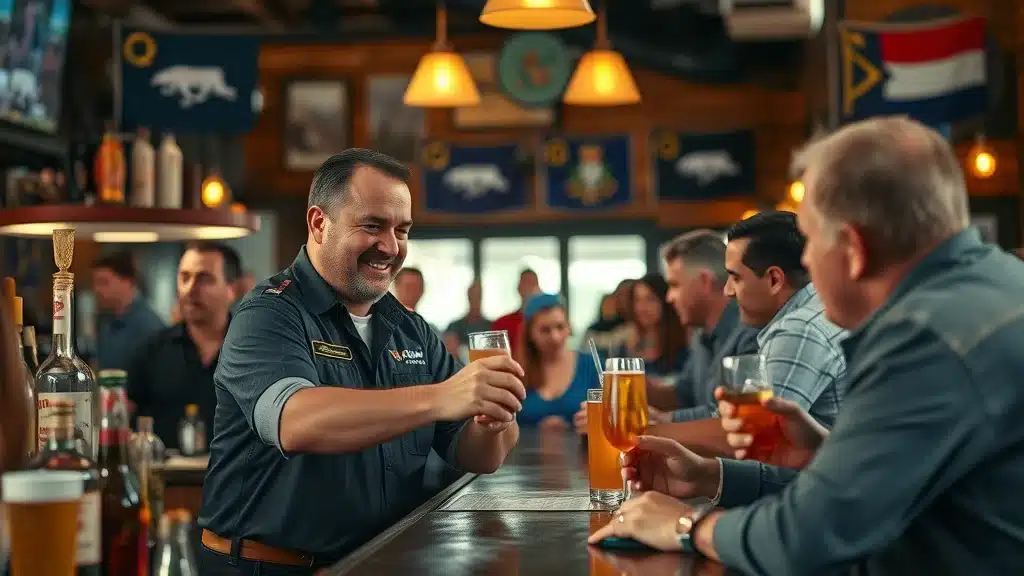
Host Liquor Liability vs. Liquor Liability Insurance
Let’s clarify two important coverage types for South Carolina businesses:
- Host liquor liability applies to non-business or incidental serving of alcohol—such as an employer serving wine or beer at a casual office event. Coverage is typically included in general liability insurance for businesses not in the alcohol sales or service industry.
- Liquor liability insurance is a dedicated policy for establishments whose business is selling, serving, or distributing alcohol, like bars, restaurants, nightclubs, or liquor stores. This insurance specifically covers claims arising from alcoholic beverage service, including third-party injuries and property damage caused by intoxicated customers.
In short, host liquor liability might protect you at a staff party, but it won’t help when your business model includes selling or serving alcohol. For any South Carolina establishment where alcohol is present as part of daily operations, liquor liability insurance is both mandatory for legal compliance (in some circumstances) and essential for financial safety.
South Carolina Dram Shop Laws and Their Impact on Liability Coverage
What Are Dram Shop Laws in South Carolina?
South Carolina’s dram shop laws make a business owner legally responsible if someone is injured or property is damaged because of alcohol you served—especially if you served an obviously intoxicated person or a minor. These statutes set the legal framework for lawsuits against bars, restaurants, liquor stores, and event venues. A “dram shop” refers historically to establishments selling alcoholic beverages, and today, such laws are strictly enforced in the state. For example, if a customer is over-served, leaves your bar, and is involved in a drunk-driving injury crash, South Carolina dram shop laws could hold you both civilly and even criminally liable for the resulting injuries or property damage. The legal landscape here is strict: insurance alone is not enough—businesses must foster policies and training to prevent such incidents, and have proper liquor liability coverage.
How Dram Shop Laws Affect General Liability Insurance
The implications of dram shop laws are profound for South Carolina business owners. Traditional general liability insurance—the “default” policy most businesses purchase—specifically excludes claims where a violation of dram shop law is alleged. That means when a lawyer brings a case under a dram shop statute, your general liability policy almost always will not respond if alcohol was served and injury or damage occurred. Only liquor liability insurance is tailored to defend these specific claims, covering legal defense, settlements, and judgements—costs that easily run into hundreds of thousands or even millions of dollars per claim. The bottom line: operating a bar or restaurant without specific liquor liability coverage is effectively rolling the dice with both your license and your business assets in South Carolina.
Liquor Liability Insurance: Why General Liability Isn’t Enough
Liquor Liability Insurance vs. General Liability Insurance
Let’s break down the main differences in coverage for South Carolina businesses:
| Feature | General Liability | Liquor Liability |
|---|---|---|
| Bodily Injury from Alcohol | Exclusion likely | Covered |
| Property Damage from Alcohol | Exclusion likely | Covered |
| Defense Costs | Limited | Comprehensive |
If your business directly serves alcohol, general liability coverage include may be minimal or nonexistent for any claim tied to liquor service. Liquor liability insurance is designed from the ground up to protect you from the unique risks of alcoholic beverage sales—including lawsuits from drunk driving accidents, property damage, and injuries involving customers, guests, or even bystanders. The gap can be financially devastating. A single alcohol-related claim that isn’t covered by your general liability policy can result in business closure, countless legal headaches, and irreversible damage to your reputation. For South Carolina bar and restaurant owners, carrying both general and liquor liability is standard, not optional.
Real-World Claim Scenarios: Bodily Injury & Property Damage
Real losses and lawsuits tell the real story best. Consider a scenario: your bartender serves an already intoxicated customer—or worse, a minor—who later causes a car accident. The accident results in severe bodily injury to another driver and substantial property damage. Your general liability policy won’t respond to these “liquor-related” claims, because they fall under the exclusion. Without liquor liability insurance, your business could face an uninsured lawsuit for millions, as well as possible liquor license penalties or loss. Other real-world claims involve catering companies serving wine at weddings, liability following physical altercations at bars, or liquor stores that inadvertently sell to someone underage. All of these scenarios would likely trigger dram shop liability and require specific liquor liability coverage for both defense and potential settlements.
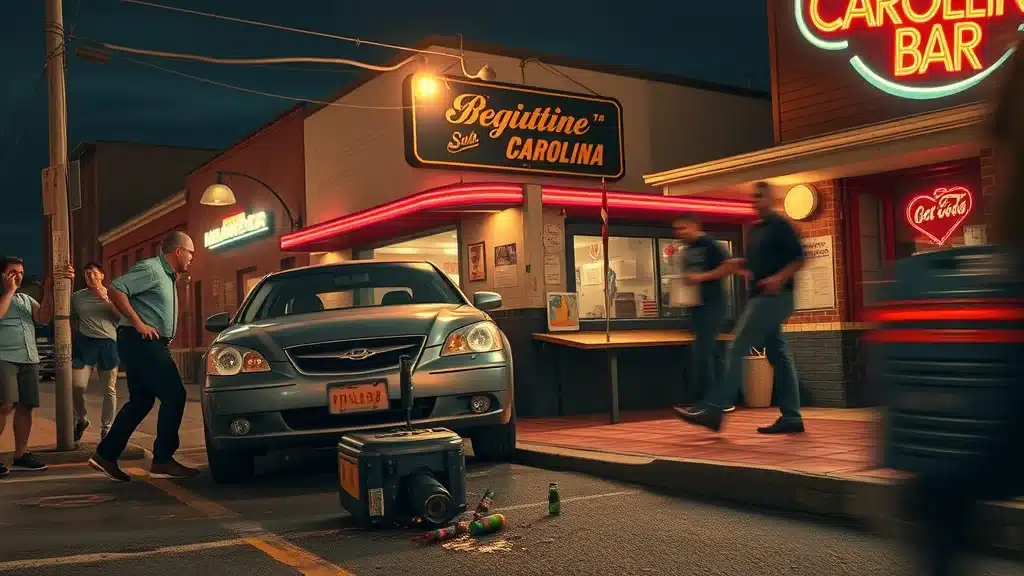
Liability Policies and Related Claims: Practical Examples
- A bar serves an already intoxicated customer who later causes a car accident: This is a textbook example of a dram shop claim. General liability will not cover it, but liquor liability insurance can.
- A wedding caterer serves wine and a guest is injured in a fall: If the alcohol contributed to the accident and injury, only a dedicated liquor liability policy usually responds.
- A liquor store sells to a minor and faces legal action: Violations of state law and resulting injuries or damages will be excluded under general liability but may be covered under proper liquor liability insurance.
“South Carolina courts have consistently held business owners responsible for over-serving customers—even when general liability policies failed to respond.” — Regulatory Analyst, SCLLI
People Also Ask: General Liability and Alcohol-Related Incidents
Does my general liability cover alcohol?
Most South Carolina general liability policies exclude coverage for claims related to the business’s serving, selling, or furnishing alcohol. An exception, called host liquor liability, might apply only if your business is not regularly engaged in sell or serve alcohol—like an office hosting a casual holiday party. If selling or serving alcohol is a part of your core operations, you need a separate liquor liability insurance policy for true coverage on alcohol-related claims.
What is typically not covered by general liability insurance?
General liability insurance typically does not cover any losses or lawsuits arising from the intentional serving, selling, or distribution of alcohol if it is a regular business activity. Other common exclusions include employee injuries (covered by workers’ compensation) and incidents involving professional advice (covered by professional liability policies). For bars, restaurants, and venues in South Carolina, liquor-related incidents are the biggest gap in standard coverage.
What type of incident does general liability cover?
General liability insurance primarily covers accidental third-party bodily injury (like slips and falls), non-alcohol-related property damage, and certain advertising or reputational harms. It’s the foundation of business insurance for everything from retail stores to office buildings, but specifically excludes “predicted” risks like liquor service that require specialty coverage, especially given South Carolina’s enforcement of dram shop laws.

What is excluded from general liability insurance?
Exclusions can vary by carrier but most general liability insurance policies explicitly exclude coverage for: alcohol-related incidents if your business regularly sells or serves alcohol, professional errors, auto accidents (these require commercial auto insurance), and claims resulting from criminal acts or intentional misconduct. Always review your South Carolina liability policy documentation, with special attention to any “liquor liability” or “alcoholic beverage” provisions.
FAQs: General Liability, Liquor Liability, and Shop Laws in South Carolina
- Can I combine general liability and liquor liability insurance?
Yes, many insurers offer bundled or packaged policies for South Carolina business owners. Combining both policies can help you ensure there are no gaps between your standard business risks and your liquor-related exposures. - What steps can businesses take to minimize risk?
Provide comprehensive staff alcohol training, enforce ID checks, monitor alcohol consumption, and always document your alcohol service policies. Risk management reduces claims and can lower your insurance premiums. - How much does liquor liability insurance cost in South Carolina?
Pricing depends on the business type, volume of alcohol sales, claims history, and location. Policies typically start at a few hundred dollars per year for small operations, scaling much larger for bars or music venues. Always get a customized quote from a South Carolina licensed agent.
Watch our short explainer video for a quick and clear look at how liquor liability insurance protects your business from South Carolina–specific risks and real-world scenarios.
Key Takeaways for South Carolina Businesses Serving Alcohol
- General liability insurance rarely covers alcohol-related incidents for business operations.
- Liquor liability insurance is essential for establishments that serve or sell alcohol.
- South Carolina dram shop laws heighten business exposure for negligent service.
- Consult a licensed South Carolina agent to review your policy exclusions.
Protect Your Business: Learn More About Liquor Liability Insurance
Don’t let gaps in your general liability policy put your livelihood at risk. If your business serves or sells alcohol in South Carolina, invest in comprehensive liquor liability insurance today. Learn more or get a quote.
Conclusion
In South Carolina, protecting your business means knowing where general liability ends and liquor liability begins. Review your policies and consult with experts to avoid costly surprises.
If you’re interested in expanding your understanding of business insurance beyond alcohol-related risks, consider exploring broader strategies for safeguarding your company. Delving into topics like risk management, employee training, and comprehensive policy bundling can help you build a resilient foundation for your South Carolina business. For more advanced insights and actionable steps, visit the main resource on South Carolina Liquor Liability Insurance and discover how to future-proof your operations with the right coverage and proactive planning.
Sources
- South Carolina State Legislature – Dram Shop Laws
- South Carolina Liquor Liability Insurance – https://scliquorliabilityinsurance.com/liquor-liability-insurance-south-carolina/
- Insurance Information Institute – What Does Business Liability Insurance Cover?
Understanding the nuances between general liability and liquor liability insurance is crucial for businesses involved in serving or selling alcohol. General liability insurance typically excludes coverage for alcohol-related incidents, leaving establishments vulnerable to significant financial risks. For a comprehensive comparison between these two types of insurance, the article “Liquor Liability vs General Liability – FLIP Blog” provides valuable insights. It explains that general liability policies exclude claims related to selling or serving alcohol, emphasizing the necessity of obtaining a separate liquor liability policy for such coverage. (fliprogram. com) Additionally, the “Liquor Liability Insurance – General Insurance Agency” article highlights the importance of liquor liability insurance for businesses that sell or serve alcohol. It discusses how businesses can be held responsible if they sell alcohol to a customer who then causes property damage or injury, noting that many general liability policies specifically exclude any claim resulting from an alcohol-related incident. (generalinsuranceiowa. com) If you’re serious about protecting your business from alcohol-related liabilities, these resources will provide you with the necessary information to make informed decisions.
