

Assault and Battery Claims Against South Carolina Bars: What Owners Need to Know
Did you know? In South Carolina, a single bar fight can trigger an assault and battery claim that could jeopardize your liquor license, business reputation, and financial stability for years. For bar owners, understanding assault and battery claims against bars SC isn’t just about legal compliance—it’s a make-or-break reality in the hospitality industry. This guide unpacks exactly what’s at stake, how dram shop law applies to bar fights, and proactive steps owners must take to stay protected.
An Alarming Look: Assault and Battery Claims Against Bars in SC

Startling Facts—Why Assault and Battery Claims Matter for South Carolina Bar Owners
Bar fights and late-night altercations are often seen as ‘part of the nightlife’—but in South Carolina, they come with real-world legal and financial implications. Each year, bars across the state face lawsuits and costly insurance claims due to incidents labeled as “assault and battery. ” Under SC’s dram shop laws, a bar doesn’t need to provide the punch. If you serve a visibly intoxicated person who later harms someone on your premises, your establishment could be on the legal and financial hook—regardless of intent. Even a single altercation can expose bar owners to injury lawsuits, license suspensions, and out-of-pocket payouts that average tens of thousands of dollars. Understanding assault and battery laws in a real-world bar setting is essential for every owner, manager, and server in South Carolina.
What You’ll Learn About Assault and Battery Claims Against Bars in SC
- The legal framework for assault and battery claims against bars in SC
- South Carolina dram shop law essentials
- Risk factors and real-world liability scenarios
- Insurance and compliance requirements for SC bar owners
- Best practices to lower assault and battery risk and mitigate potential claims
Understanding Assault and Battery Laws in South Carolina: What Bar Owners Must Know
Defining Assault and Battery in SC Bar Settings
In the context of a bustling South Carolina bar, assault is typically defined as an intentional threat or show of force that makes another person reasonably fear imminent harm, while battery is the actual unwanted or offensive physical contact. For instance, if a patron swings a fist during a bar fight but misses, that’s likely assault; if contact is made, it becomes battery. Even pushing, shoving, or throwing a drink can fall under the category of battery. Importantly, the law doesn’t require significant injury—a simple, unwanted touch during an argument can open the door to an assault and battery claim. For bar owners, this means that incidents that seem minor in the moment can lead to serious legal repercussions under South Carolina’s battery laws.
With lively bars and packed venues, distinguishing between roughhousing and criminal battery can be challenging, yet crucial. SC law recognizes assault and battery as separate offenses—each with different standards and penalties. Owners and managers must train staff to identify escalating conflict early. Failure to intervene or document incidents exposes both staff and the establishment to potential legal action, civil lawsuits, and claims that may compromise a business’s future under dram shop law.
For bar owners seeking a deeper understanding of how insurance can specifically address these risks, it’s important to review the details of South Carolina liquor liability insurance coverage, including what is and isn’t protected in the event of an assault or battery claim. This knowledge can help you make informed decisions about your policy and risk management strategies.
Overview of South Carolina Assault and Battery Laws
South Carolina’s assault and battery laws are outlined under Title 16, Chapter 3 of the SC Code of Laws. These statutes create a graduated system of offenses from simple assault up to aggravated assault and battery, each carrying varying penalties. For SC bar owners, the most relevant are assault and battery in the third degree (minor harm or threats), second degree (moderate harm or non-consensual touching), and first degree (severe harm or use of a weapon). If a bar’s patron injures another while visibly intoxicated, or if staff fail to intervene, the bar can be held partially responsible under personal injury law.
Notably, a claim doesn’t require a criminal conviction—civil liability uses a “preponderance of evidence” standard. This means that a customer claiming injury must only show it’s more likely than not the bar’s negligence contributed to the incident. The consequences for owners vary: from civil damages, legal fees, and higher insurance premiums to loss of liquor licensing and even criminal penalties in extreme cases. Understanding the contours of SC’s assault and battery laws is essential for anyone operating or serving alcohol in the state.
Differences Between Assault, Battery, and Aggravated Assault and Battery
While “assault” and “battery” are often used interchangeably in everyday conversation, South Carolina law draws clear lines between the two. Assault centers on the threat or fear of harm, while battery addresses the act of harmful or offensive contact. When an incident involves serious bodily injury, use of a deadly weapon, or occurs during another crime, it’s classified as aggravated assault and battery. This significantly increases the stakes for all parties—especially for bar owners and staff who may face heightened liability if they failed to exercise adequate precautions or served a visibly intoxicated person involved in the escalation. It is critical for those in the hospitality industry to appreciate these distinctions, as the severity of the charge affects both civil and criminal exposure for their business.
The legal ramifications increase dramatically with aggravated offenses. Claims involving severe injuries, permanent disabilities, or wrongful death often result in far higher settlements and can prompt regulatory scrutiny. This is why staff training, prompt incident reporting, and clear protocols are pivotal—knowing the legal difference between assault, battery, and aggravated assault and battery can help a bar owner respond appropriately in the crucial moments following an incident.
| Type | Definition (SC Law) | Penalties | Bar Exposure |
|---|---|---|---|
| Assault | Intentional act causing fear of imminent harm | Up to 30 days jail; fines | Liable if staff fails to de-escalate or intervene |
| Battery | Intentional, unwanted physical contact causing minor injury or offense | Up to 3 years prison; fines | Liable if bar serves intoxicated persons or lacks security protocols |
| Aggravated Assault and Battery | Severe injury, use of deadly weapon, or intent to cause serious harm | Up to 20 years prison; extensive fines | High exposure—can lead to large injury verdicts, loss of liquor license, and regulatory action |
Dram Shop Law and Assault and Battery Claims Against Bars in SC

How Dram Shop Laws Impact Assault and Battery Claims
Dram shop laws in South Carolina directly determine whether a bar can be held responsible when patrons cause harm after being served alcohol. Under SC Code Section 61-4-580, a bar that “knowingly serves a person who is intoxicated” can be liable for damages resulting from injuries—including those from a bar fight or assault and battery incident. This means a bar owner or employee doesn’t need to throw a punch to face an injury claim—serving a patron who is clearly impaired and then failing to control or report violent behavior can implicate the entire establishment under South Carolina dram shop law.
These laws reflect the serious public policy concerns associated with alcohol-related violence. While dram shop liability is often discussed in the context of drunk driving, it is just as relevant when an intoxicated person harms another guest in your venue. Failing to recognize or respond to signs of intoxication can expose a bar owner to claims of negligence or “failure to supervise,” widening the risk window far beyond just the moment of the bar fight.
Key Elements of South Carolina Dram Shop Law for Bar Owners
Bar owners must understand three core responsibilities under dram shop law: avoid serving visibly intoxicated persons, train staff to recognize and document warning signs, and maintain clear policies for intervention. Liability is not limited to direct participants in the bar fight; owners can be sued for creating or ignoring conditions that led to violence. In civil court, “foreseeability” is the magic word: did the bar have reason to anticipate and prevent the assault and battery from occurring?
In addition to risk of civil damages, noncompliance can threaten your SC Alcohol License, result in increased liquor liability insurance premiums, and invite regulatory penalties. The exposure is compounded when bars lack written policies, training records, or surveillance footage. For all South Carolina venues serving alcohol, the message is clear: proactive compliance with dram shop law is the only way to minimize liability in the event of assault and battery claims against bars SC.
Liability Exposure: How Assault and Battery Claims Against Bars in SC Arise
Common Bar Fight and Battery Incidents Leading to Claims
Assault and battery claims most often arise from physical altercations between patrons, especially when alcohol is involved. Typical bar fight scenarios include pushing and shoving on crowded dance floors, altercations over spilled drinks, heated arguments escalating to punches, or disputes at closing time. The common denominator: at least one intoxicated person and a perceived failure by staff to intervene or follow protocol.
Bar owners must recognize that even seemingly minor confrontations can result in personal injury lawsuits. Courts and insurance companies will scrutinize whether the establishment provided adequate security, responded promptly to warning signs, and took basic steps to protect guests. When security staff fails to act, surveillance footage is lost, or employees serve additional drinks to an already impaired guest, the risk of liability increases dramatically. With South Carolina’s legal and insurance landscape evolving, owners can’t afford to take these incidents lightly.
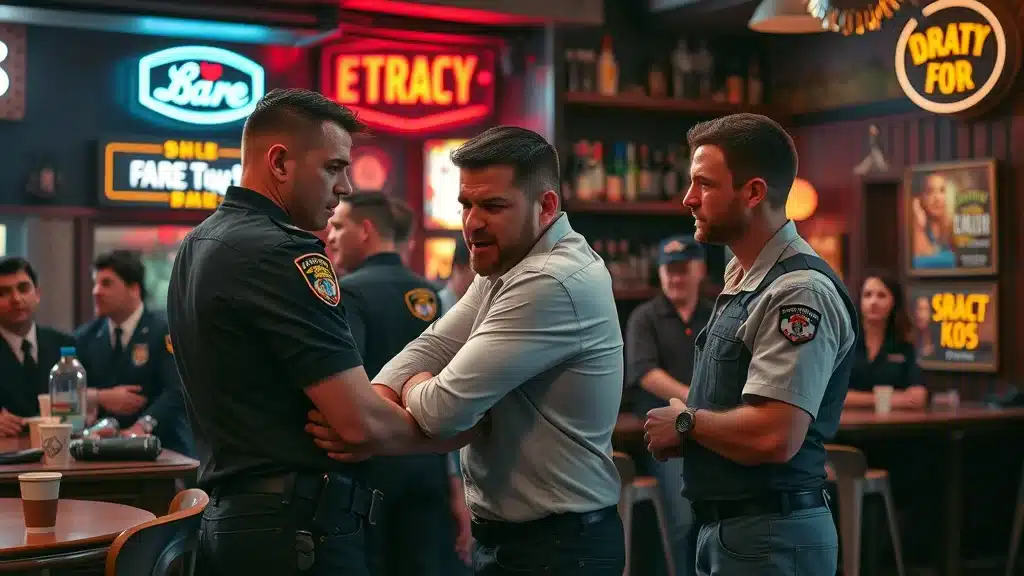
Real-World Scenarios: Assault and Battery Claims Process in SC
The claims process typically begins when a patron injured in a bar fight seeks medical attention and later files a claim with the bar’s insurance or directly with the bar owner. Plaintiffs may allege that staff served a visibly intoxicated person or failed to provide adequate security or supervision. At this point, the bar’s training records, incident reports, and camera footage become critical evidence. Insurance adjusters, and sometimes juries, will want to know: Was the fight foreseeable? Did employees do enough to prevent or deescalate violence? Personal injury lawyers often build their cases by showing a bar’s negligence in these areas.
Once an assault and battery claim is filed, bars must provide detailed documentation—a lack of which can put the business at a severe disadvantage. Litigation can last months or even years, putting significant financial pressure on uninsured or underinsured venues. In high-profile or severe injury cases, bar owners may also face negative publicity and regulatory scrutiny. For these reasons, bar owners should have a crisis management protocol in place and understand how the claims process unfolds under dram shop law.
“A single moment of violence can expose a bar to years of legal and financial consequences under South Carolina’s assault and battery laws.”
Proving Negligence: What Plaintiffs Must Show in Assault and Battery Claims Against Bars SC
Bar Responsibilities Under South Carolina Battery Laws
To succeed in an assault and battery claim, a plaintiff must show that the bar had a duty to protect guests, breached that duty by failing to act or maintain safe premises, and that this failure led directly to injury. For example, if staff continues to serve an aggressive patron or ignores repeated warnings of conflict, these facts can be used to show negligence. Bar owners should maintain comprehensive training programs, incident logs, and clear policies that demonstrate compliance with South Carolina battery laws.
Juries and insurance companies will examine whether a “reasonable” bar owner would have anticipated or prevented the altercation. Even if criminal charges don’t stick, the lower burden of proof in civil cases means documentation, staff vigilance, and timely intervention are key. A single oversight by a bartender or bouncer can result in a costly lawsuit, increased insurance costs, or—even worse—revocation of the bar’s alcohol service permit.
Intoxicated Person and Bar Liability: Dram Shop Law in Practice
When claimants allege a bar served a visibly intoxicated person who then harmed someone, the burden is on the plaintiff to establish a direct link. However, in practice, courts will look at bar policies, staff statements, witness accounts, and alcohol sales records. Did the bartender ignore clear signs of impairment? Was there a breakdown in security or supervision? Failure to train employees or follow dram shop law compliance standards almost always increases liability exposure.
Bar owners must be aware that insurance companies, juries, and regulators expect active measures—such as refusing service, calling security, and immediate documentation—when an intoxicated or aggressive patron is involved. Lack of response, missing records, or policy violations are all red flags that can tip the scales in favor of the injured party.
- Serving visibly intoxicated individuals
- Failure to provide adequate security
- Not following South Carolina dram shop compliance
Insurance Coverage for Assault and Battery Claims Against Bars SC

Does Liquor Liability Insurance Cover Assault and Battery?
Liquor liability insurance is designed to protect bar owners from claims related to serving alcohol—including third-party injuries, property damage, or death. However, coverage for assault and battery claims is not automatic. Many policies have strict wording about when and how incidents tied to battery or bar fights are covered. Some include assault and battery exclusion clauses, while others require riders or endorsements to trigger protection. In South Carolina, an owner should never assume that basic liquor liability insurance will cover every possible incident without close review of policy terms.
To reduce risk, owners must work with specialized insurance providers experienced in South Carolina’s unique legal and regulatory environment. Only comprehensive policies with clear assault and battery coverage can fill the gap left by standard general liability insurance. Making sure you have documentation, security protocols, and a trusted agent on your side is your best bet against devastating financial loss after a fight or battery incident.
Battery Exclusion Provisions: What Every Bar Owner Should Understand
The battery exclusion in many general liability and liquor liability policies specifically bars coverage for claims arising from intentional acts of violence—often leaving owners to cover six-figure settlements out of pocket. Some policies may still provide defense costs, but not damages, and many exclude incidents involving both patrons and employees. It is crucial for SC bar owners to ask their insurance agents direct questions and ensure all exclusions and sub-limits are fully understood before a claim arises.
In the eyes of courts and insurance companies, the onus is on the business owner to proactively manage risk. Reviewing your policy annually, staying up to date on insurance market trends, and maintaining close communication with your agent will reduce unwanted surprises if a serious claim is filed against your business. The right coverage could be the difference between reopening after a bar fight lawsuit and shutting your doors for good.
Best Practices: Minimizing the Risk of Assault and Battery Claims Against Bars SC
- Thorough staff training on recognizing aggression
- Implementing clear bar fight protocols
- Monitoring for intoxicated person behavior
- Security and surveillance upgrades
- Documentation and reporting systems

Institute a results-driven training program for all staff so they can identify and defuse potential altercations. Clear protocols for when and how to intervene—combined with better surveillance technology and real-time incident reporting—help build a safer bar environment and a defensible record in case a claim arises.
Regular drills, employee roleplay, and collaboration with local law enforcement on best practices further strengthen your position. Documenting each incident meticulously, from the first warning sign to final resolution, ensures you have a factual record that can be leveraged in any litigation or insurance review. For South Carolina bar owners, these investments yield both compliance and peace of mind.
People Also Ask: Common Questions on Assault and Battery Claims Against SC Bars
Can you sue a bar for getting punched?
Explore the legal grounds and dram shop law basis for suing a bar after a bar fight injury.
Yes, you can sue a bar for getting punched if you can show the bar’s negligence contributed to the incident—such as serving a visibly intoxicated assailant or failing to provide proper security. Under South Carolina’s dram shop law, bars can be liable for injuries resulting from assaults or batteries committed by guests if staff ignored warning signs or continued serving an intoxicated person involved in the fight. Each case depends on the specific facts and the bar’s compliance with state safety and alcohol service regulations.
How to sue a bar for negligence?
Step-by-step guide on initiating assault and battery claims against bars in SC for negligence.
To sue a bar for negligence in South Carolina after a fight: 1) gather evidence such as surveillance footage, witness statements, and medical records; 2) contact a personal injury lawyer experienced in assault and battery or dram shop cases; 3) file a claim demonstrating the bar’s failure to act responsibly or its service to a visibly intoxicated person. The process also includes reporting the incident promptly and cooperating with any insurance investigations. Timely, thorough documentation is essential to strengthen your case and establish liability.
How long after an assault can you press charges in South Carolina?
SC statute of limitations and timing for assault and battery claims explained.
Under South Carolina law, victims generally have up to three years from the date of the incident to file a civil lawsuit for assault and battery. However, if criminal charges are being considered, prosecutors may move forward as soon as evidence is available. It’s vital to act quickly and consult legal counsel or an injury law firm for guidance, as witness credibility and evidence can fade over time. The sooner you file, the better the chance for a successful outcome.
What’s the difference between assault and battery and aggravated assault and battery?
Legal distinctions, penalties, and how these affect bar liability and dram shop exposure.
Assault is the threat of harm, while battery involves actual physical contact causing harm. Aggravated assault and battery are more severe, involving serious injury, weapons, or special circumstances. For bar owners, aggravated cases bring greater liability, larger settlements, and potential criminal charges—especially if the venue failed to monitor, intervene, or promptly report the incident. This underscores the need for rigorous protocol and comprehensive liquor liability insurance.
FAQs: Assault and Battery Claims Against Bars SC
- What is dram shop liability?
Dram shop liability refers to a bar or restaurant’s legal responsibility for serving alcohol to visibly intoxicated persons or minors who then cause harm to others in a bar fight, car accident, or other incident. - Are bar owners personally liable for assault and battery claims?
In certain cases, if a bar owner’s own negligence or lack of oversight directly caused the incident, personal liability may apply—especially if there is inadequate insurance or violations of South Carolina battery laws. - How can liquor liability insurance help with legal costs?
Specialized liquor liability policies often cover legal defense costs from lawsuits related to alcohol service, but only if you don’t have an assault and battery exclusion. Owners should clarify the specifics of coverage with their agent. - Does general liability insurance cover bar fights?
Most general liability policies exclude intentional acts of violence, meaning bar fights, assaults, and batteries may not be covered without additional policy endorsements or specialized liquor liability coverage.
Key Takeaways for South Carolina Bar Owners on Assault and Battery Claims
- Know your dram shop law responsibilities
- Conduct regular staff training
- Maintain proper insurance coverage—be aware of battery exclusion clauses
- Foster a safe environment to limit liability
Ready to Protect Your Bar? Secure Liquor Liability Insurance Today
Get covered with South Carolina Liquor Liability Insurance: Protect your business from assault and battery claims against bars SC. Learn more and request a quote:
Liquor Liability Insurance – https://scliquorliabilityinsurance. com
Watch a brief explainer that summarizes the essentials of South Carolina assault and battery claims, dram shop law, real-world liability scenarios, and actionable tips on compliance and protection for bar owners.
For additional insights on dram shop law responsibilities and minimizing risk, see our dram shop law overview video for South Carolina hospitality operators.
Conclusion: Proactive Steps for Managing Assault and Battery Claims Against Bars SC

- Immediate response checklist after an incident
- Ongoing compliance review
- Legal and insurance consultation reminders
Success starts with compliance, training, and strong insurance. Act today to protect your business from the unique risk of assault and battery claims against bars SC.
If you’re ready to take your bar’s risk management to the next level, consider exploring the broader landscape of South Carolina liquor liability insurance solutions. Understanding the full spectrum of coverage options and compliance strategies can empower you to safeguard your business against evolving threats. By staying proactive and informed, you not only protect your bottom line but also foster a safer, more reputable establishment. Dive deeper into advanced insurance strategies and discover how comprehensive protection can be a game-changer for your bar’s future.
Sources
- South Carolina Code of Laws – https://www.scstatehouse.gov/code/t16c003.php
- South Carolina Liquor Liability Insurance – https://scliquorliabilityinsurance.com
- SC Insurance: Liquor Liability Insurance – https://www.scinsurance.net/liquor-liability
- South Carolina Bar Association – https://www.scbar.org/
In South Carolina, bar owners must be vigilant about the legal implications of assault and battery incidents on their premises. Understanding the state’s dram shop laws is crucial, as these regulations can hold establishments accountable for serving alcohol to visibly intoxicated individuals who subsequently cause harm. For instance, if a patron becomes aggressive after being over-served and injures another person, the business may be held responsible for not cutting them off or removing them from the premises. (augerlaw. com) Additionally, it’s essential to recognize that security personnel, such as bouncers, do not have special immunity from assault claims. If a bouncer uses excessive force against a patron, both the individual and the establishment can be held liable for resulting injuries. This underscores the importance of proper training and adherence to legal standards in handling confrontations. (alllaw. com) By familiarizing themselves with these legal responsibilities and implementing proactive measures, bar owners can better protect their patrons and their business from potential claims.
