What Happens If a Drunk Customer Leaves Your Bar and Causes an Accident in South Carolina?
Did you know that one out of every three fatal car accidents in South Carolina involves a drunk driver? This alarming truth should stop every bar owner, restaurant manager, and event host in their tracks. If you serve alcohol, you face more than just moral responsibility — you could bear serious legal and financial risk if a customer leaves your establishment, gets behind the wheel, and causes a tragedy. South Carolina’s dram shop laws mean your livelihood—and your team’s future—could hang in the balance when a drunk customer causes an accident. This article will break down, step by step, what happens if a drunk customer causes an accident in South Carolina, how the law applies, and what you can do to protect your business.
A Stark Wakeup Call: Drunk Driving Accident Statistics in South Carolina
The impact of drunk driving in South Carolina cannot be overstated. According to the South Carolina Department of Public Safety, alcohol-impaired drivers are involved in roughly one-third of all fatal car accidents in the state. This means every bar, restaurant, and alcohol server is operating in an environment of heightened legal exposure. South Carolina consistently ranks among the nation’s deadliest states for drunk driving crashes, a reality that shapes both enforcement attitudes and the seriousness with which dram shop liability is treated.
Drunk driving accidents don’t just result in criminal charges for the driver—they unleash civil liability for the establishments that served the alcohol. It’s not just about what happens on the roads but tracing backwards to where the impaired driver consumed their last drink. Understanding these grave statistics is crucial for anyone in the hospitality industry, as it highlights how frequently alcohol-related car accidents lead to lawsuits, regulatory investigations, and insurance claims. Bar and restaurant owners must recognize that — statistically speaking — the risk is real, ever-present, and demands proactive management.
Why Every Bar Owner Should Understand Dram Shop Laws
For anyone serving alcohol in South Carolina, understanding dram shop laws is not optional—it’s a business imperative. Dram shop laws hold bars, restaurants, and any entity licensed to sell or serve alcohol responsible if they serve a visibly intoxicated person or a minor who causes an accident. In practical terms, this means that the risk of a deadly or injurious accident is ever present; if you or your staff make a mistake, your establishment could face a shop liability claim that threatens everything you’ve built.
These laws aren’t just abstract rules; prosecutions, settlements, and insurance payouts are a daily reality. Dram shop laws drive everything from how businesses train staff to when a bartender should say no to another round. Failure to implement and document proper server training and responsible service can make it very difficult to defend your business when—or if—a dram shop case is brought. Proactively understanding and respecting these laws is your first and best line of defense.
“One out of every three fatal South Carolina car accidents involves a drunk driver.” – South Carolina Department of Public Safety
What You’ll Learn About Bars, Dram Shop Liability, and South Carolina Law
- What happens if a drunk customer causes an accident in South Carolina?
- How dram shop laws affect bar and restaurant owners
- What penalties and civil claims may follow a car accident involving a drunk driver
- The specific risks and responsibilities in South Carolina
- How to protect your business from liability
Understanding What Happens If a Drunk Customer Causes an Accident in South Carolina
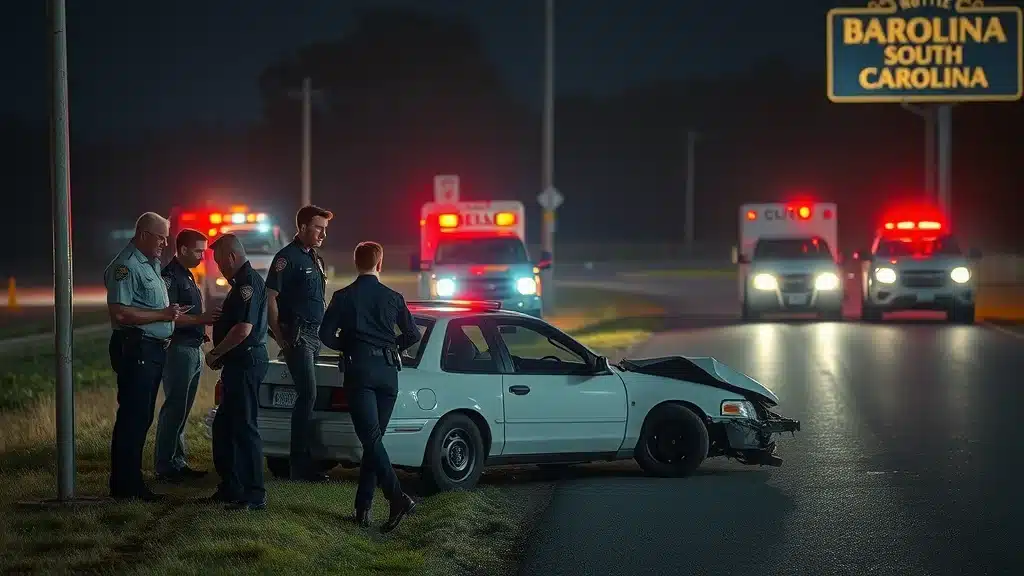
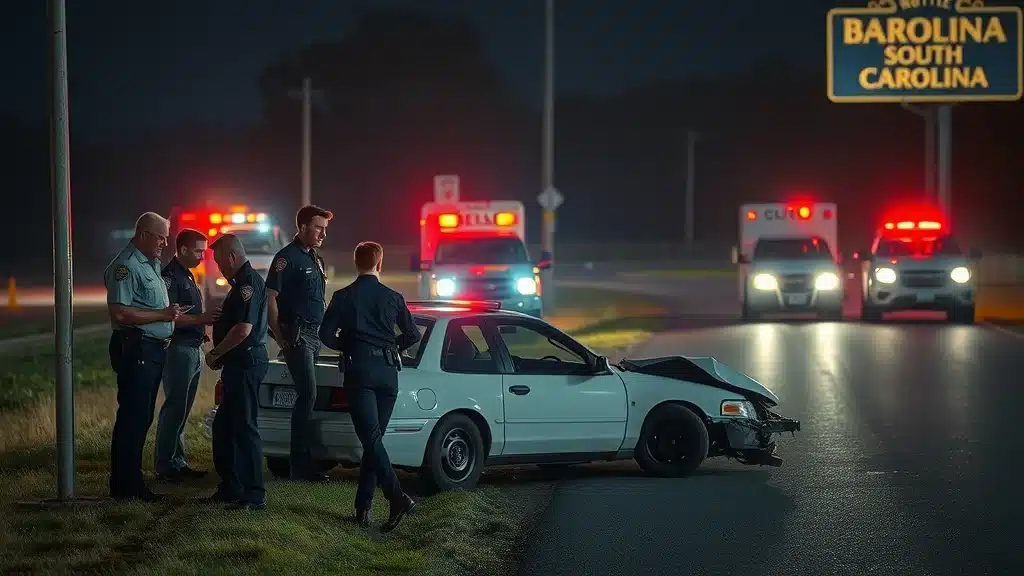
When an intoxicated customer leaves your bar and is later involved in a car accident, the legal consequences ripple out in ways many business owners aren’t prepared for. What happens if a drunk customer causes an accident in South Carolina? Here’s the stark reality: police and investigators will often trace an intoxicated driver’s last stops, and if your establishment is named, you’ll face immediate scrutiny under South Carolina dram shop law. The sequence begins with accident investigation, possible criminal charges for the driver, but it doesn’t stop there — establishments that served the drunk driver may also be pulled into the legal fray.
Law enforcement will investigate bar staff, receipts, surveillance footage, and witness statements to determine whether the driver was served alcohol while visibly intoxicated, or whether underage service occurred. If it’s proven that your staff contributed to a drunk driving accident by illegally serving the driver, you could be facing not only regulatory penalties but substantial civil liability suits from those injured. Establishments need to prepare for a process that is stressful, public, and expensive, even if liability isn’t ultimately proven.
To further understand how liquor liability insurance can specifically protect your establishment from the financial fallout of dram shop claims, explore the detailed coverage options and compliance strategies outlined on the South Carolina Liquor Liability Insurance resource page.
Legal Definition of Dram Shop Liability in South Carolina
Dram shop liability refers to a legal doctrine under which establishments that serve alcohol can be held responsible for harm caused by customers who become intoxicated and subsequently injure others in a car accident. In South Carolina, the dram shop laws aren’t a single statute, but stem from court decisions and statutory rules that allow victims of drunk driving accidents to sue bars, restaurants, or retailers. Liability can attach to anyone who unlawfully serves a patron that is either visibly intoxicated or underage.
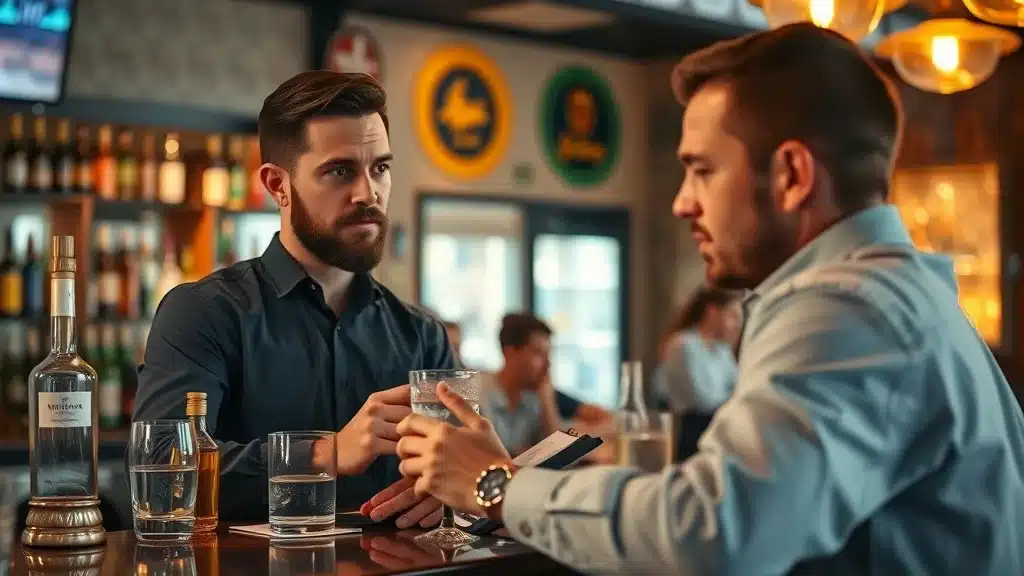
For example, if a bartender serves someone who is slurring their words or stumbling, and that person later becomes an intoxicated driver who causes a drunk driving accident, the bar could face a dramatic shop case for damages. The consequences are rarely minor—damages can include medical costs, lost wages, pain and suffering, and punitive damages in certain situations. Understanding dram shop law is fundamental for anyone holding a liquor license in South Carolina. The stakes—financial and reputational—couldn’t be higher.
“South Carolina dram shop laws can hold alcohol-serving establishments liable for damages if a drunk customer they served causes a car accident.” – Legal Expert
How Social Host and Dram Shop Laws Intersect
Dram shop laws focus on commercial establishments, but South Carolina also recognizes the concept of social host liability. Social hosts—private individuals hosting a party or event—may also be held liable if they serve minors who are then involved in an accident. Both dram shop and social host laws are intended to reduce harm from alcohol overservice, but the triggers for liability differ. In a dram shop claim, the establishment is scrutinized for serving a visibly intoxicated or underage customer, while social host liability focuses on non-commercial hosts serving underage drinkers.
The laws overlap in the sense that both hold servers accountable if their actions contribute to a drunk driving accident. What matters most for both bar and event hosts is knowing the signs of intoxication, strictly enforcing ID checks, and documenting refusals. Liability risk extends beyond the barroom and into private gatherings, so understanding the difference and intersection between these two shop laws is crucial for managing risk.
| Law Type | Applies To | Liability Trigger |
|---|---|---|
| Dram Shop Law | Bars, Restaurants | Serving visibly intoxicated or underage patrons who cause a drunk driving accident |
| Social Host Law | Private Individuals/Hosts | Serving minors who later cause a car accident |
Dram Shop Laws: The Bar’s Liability After an Accident
Understanding dram shop law is critical because it directly determines what happens if a drunk customer causes an accident in South Carolina. If a civil suit is brought against a bar or restaurant after a car accident, the plaintiff must prove specific elements spelled out in South Carolina shop laws. Most importantly, these claims test whether your team served a customer who was already visibly intoxicated and whether this service contributed to a subsequent drunk driving incident.
In many shop cases, establishments face high-dollar lawsuits from injury lawyers seeking compensation for victims of drunk drivers. If multiple people are injured in one car accident, damages can quickly spiral beyond standard insurance limits, and your bar’s bottom line is put at serious risk. The plaintiff only needs to show that your establishment’s service was a proximate cause of injury—a far different standard than proving intent or criminal negligence. That’s why having a thorough understanding of dram shop liability, rigorous compliance routines, and robust liquor liability insurance is essential for every alcohol-serving business.
Elements Required to Prove Dram Shop Liability in a Car Accident
- The customer was served while visibly intoxicated
- The bar’s actions directly contributed to the drunk driving accident
- The resulting injury or car accident occurred in South Carolina
Plaintiffs in a dram shop case must clearly show three main elements: First, the customer must have been served alcohol while they were already showing signs of visible intoxication, like slurred speech, impaired balance, or erratic behavior. Second, the bar’s service must be a direct factor leading to the car accident. Documentation such as video evidence, transaction records, and witness statements play a pivotal role in either proving or defending against shop liability. Finally, the incident must have occurred in South Carolina for the state’s dram shop laws to apply.
Successfully defending a shop case hinges on employee training, visible refusal of service, and diligent documentation. Without these, your business may be **held liable** for damages that can seriously threaten financial stability, reputation, and even continued licensure to serve alcohol.
Common Dram Shop Cases in South Carolina
South Carolina courts see a steady stream of dram shop liability lawsuits every year. Common scenarios include bars serving guests late at night after clear signs of intoxication, bartenders failing to verify ID for underage drinkers, or establishments neglecting to train staff on how to spot impairment. These dram shop cases often gain media attention and can result in public scrutiny, not to mention significant personal injury awards.
Some high-profile shop cases in the state have involved multi-victim car accidents, settlement payouts in the millions, and even criminal charges for owners or staff members who disregarded basic precautions. Repeat violations or patterns of non-compliance can also draw harsher regulatory penalties, including license suspension or revocation. For bar owners, studying past dram shop cases is a powerful reminder that what happens inside your establishment can follow you long after a customer walks out the door, making prevention the only safe route.
How a Car Accident Proceeds After a Drunk Customer Leaves Your Bar
When a car accident involving a drunk driver is reported, law enforcement agencies in South Carolina move quickly to determine who may be at fault—including possible liability for establishments under dram shop law. Police will gather accident evidence, interview witnesses, and track down where the driver may have consumed alcohol last. The investigation can escalate quickly, placing significant pressure on bar owners and staff to provide accurate information and documentation.
The formal investigation often leads to a bar’s POS records being subpoenaed, review of video surveillance, and interviews with employees, as authorities look for signs of overservice or improper conduct. The establishment may be notified of a pending shop claim, and should engage legal counsel and their insurance provider immediately. Businesses that proactively cooperate and have trained staff and complete records are better positioned to respond to these inquiries, potentially minimizing the scope and impact of any legal action.
Immediate Steps: Reporting and Investigation
- Law enforcement response to drunk driving accidents
- Investigation of the drinking establishment’s role
The first step following a serious car accident involving a drunk driver is the rapid response of police and emergency medical personnel. Once they confirm that a driver is intoxicated, the next step is to trace their movements prior to the crash. Police will visit bars and restaurants along the route, interview staff, and request transaction and surveillance records. This immediate investigative action is essential for establishing or ruling out dram shop liability under South Carolina law.
For business owners, the investigation can be intense, requiring you and your employees to recount events precisely, produce receipts, and provide access to your camera systems. Strong employee training around South Carolina dram shop law compliance and prompt documentation of service refusals or incidents can make the investigative process much smoother. Failing to cooperate or produce records can heighten suspicion and increase your legal risk.
Potential Lawsuits and Shop Claims
After the police complete their investigation, the next wave of risk comes as injured parties or their families file civil lawsuits—known as shop claims—against the establishments that served the drunk driver. Plaintiffs often work with a personal injury lawyer to pursue compensation for everything from medical bills to loss of income and pain and suffering. For bars and restaurants, even defending a dram shop claim can be expensive and time-consuming, with potential for reputation damage if the case becomes public.
Shop cases in South Carolina frequently involve not just the drunk driver, but one or more bars, restaurants, or event hosts that may have served them. Multi-defendant litigation is common. The existence of video evidence, staff testimony, or clear records of visible intoxication can be the difference between a dismissed suit and a devastating liability verdict. Proactive risk management, strict adherence to state shop law, and documentation of every relevant incident are the only reliable protections against the fallout from these claims.

Civil vs. Criminal Liability for Bars and Restaurants
It’s essential to know that liability after a drunk driving accident can be both civil and criminal. In civil shop cases, bars are sued for monetary damages related to the accident. However, in especially severe or egregious scenarios—such as willful overservice, or in cases involving underage drinkers—criminal prosecution of servers or management is possible. The state may seek fines, licensing sanctions, or even jail time.
For most businesses, civil liability underscores the necessity of carrying robust liquor liability insurance that covers dram shop claims. But criminal liability, though rarer, has permanent consequences for both businesses and individuals. The distinction between civil and criminal cases often comes down to how egregious the service was and whether there’s evidence of repeated neglect of shop law compliance requirements. Strong training, clear policies, and meticulous documentation are a business owner’s best defense.
Compliance and Risk Management for Bar Owners: Avoiding Shop Law Violations
Successful bar and restaurant owners in South Carolina see compliance with dram shop laws not as a burden, but as an operating principle. With the consequences of a single shop case placing your business at risk, proactive compliance and risk management isn’t optional. Every business serving alcohol needs comprehensive policies, regular staff training, thorough documentation practices, and robust insurance coverage to prevent, detect, and document overservice events.
Risk management strategies that go above and beyond South Carolina law—such as using professional ID scanners, holding monthly dram shop compliance reviews, and routinely documenting refusals of service—signal to both insurers and investigators that your business takes public safety seriously. This reduces your exposure in shop claim litigation, improves your insurability, and ultimately protects your bottom line and your community.
Employee Training and Monitoring for Dram Shop Compliance
- Recognizing visible intoxication for South Carolina dram shop compliance
- Documentation best practices
The cornerstone of dram shop compliance is employee education. Staff should be able to recognize common signs of visible intoxication (plodding movements, slurred speech, glassy eyes, impaired coordination) and know both when and how to refuse service legally. South Carolina’s dram shop law expects businesses to act as a first line of defense in preventing car accidents by refusing to serve impaired or underage patrons.
Equally important is documentation. At the end of every shift, staff should record any incidents—such as service refusals or customer interventions—in a compliance log. This log should include who was involved, what was observed, and what action was taken. In the event of a shop law investigation, thorough, contemporaneous documentation makes it far easier to defend your business and prove that you acted in accordance with South Carolina dram shop laws.
Insurance Solutions: South Carolina Liquor Liability Insurance
Even with the best training and documentation, accidents and lawsuits still happen. That’s why every bar, restaurant, or catering business serving alcohol in South Carolina should have liquor liability insurance. This specialized insurance is designed specifically to cover claims arising from violations of dram shop law, including legal defense costs, settlements, and judgments. Without it, the financial consequences of a single drunk driving accident can be ruinous.
A comprehensive risk management strategy often blends liquor liability insurance and general liability policies. The former addresses claims tied to the sale or service of alcohol and shop law violations, while the latter covers general risks like slip-and-fall accidents unrelated to alcohol service. To ensure you’re protected, work with experienced agents who understand the nuances of South Carolina dram shop cases.
| Insurance Option | What It Covers |
|---|---|
| Liquor Liability Policy | Claims from drunk driving accidents, dram shop law violations, social host responsibility |
| General Liability | Non-alcohol-related claims (slip and fall, etc.) |
Recent Regulatory Trends and Noteworthy Dram Shop Cases in South Carolina
The last decade has seen a profound shift in how South Carolina enforces shop law and regulates alcohol-serving establishments. Dram shop law updates have increased both the minimum required liquor liability insurance and penalties for violators. The state courts are seeing higher-profile personal injury litigation tied to bar overservice and more robust prosecution of repeat violators. The message is clear: enforcement is on the rise, and every hospitality business must keep up to date or face steep penalties.
Recent dram shop cases in South Carolina—some stretching into multimillion-dollar settlements—have involved both urban bars and rural venues, demonstrating that no business is immune. Regulatory focus now includes reviewing staff training records and compliance logs during investigations, making documentation more critical than ever. To safeguard your business, stay informed about regulatory trends and landmark court decisions.
Enforcement Focus: Changing Attitudes Toward Drunk Driving Laws
South Carolina’s approach to drunk driving and dram shop enforcement has become notably stricter. Lawmakers, law enforcement, and courts increasingly see bars and restaurants as key players in public safety. License suspension rates have risen, civil judgments are increasing, and there’s less leniency for those who skirt compliance. Public awareness campaigns and high-visibility prosecutions aim to reinforce that everyone—from bartender to owner—is responsible for preventing drunk driving accidents.
For business operators, this means that what was once considered an isolated incident—such as serving one visibly intoxicated customer—can now trigger full-scale regulatory action and become a test case for the industry. The state’s leadership in dram shop law enforcement isn’t just about punishment; it’s about setting an expectation of care that every alcohol-serving venue must meet or exceed.
Landmark Dram Shop Law Cases in the State
South Carolina has seen several influential dram shop cases that play a key role in shaping current shop law and compliance approaches. One notable case involved a bar being held liable after serving a patron who caused a multi-vehicle car accident, resulting in significant civil damages and additional oversight from state regulators. These cases underscore the role of insurance, documentation, and compliance training in defending against shop claims.
Each landmark case also adds to the body of precedent that future dram shop liability suits will cite. For hospitality businesses, following the lessons of these shop cases—both in their victories and mistakes—means proactively updating policies, retraining staff, and reviewing coverage. The legal landscape is always evolving, and staying informed on recent court decisions is crucial.
People Also Ask: Your Top Questions Answered
Can I sue someone who hit me while drunk?
Answer: Yes, you can sue a drunk driver for damages after a car accident, and you may also have a claim against the bar or social host under South Carolina dram shop laws if it can be shown they contributed to the incident.
What is the penalty for drunk driving in South Carolina?
Answer: Penalties for drunk driving in South Carolina include heavy fines, license suspension, mandatory alcohol education, and possible jail time—especially if a car accident resulted from the offense.
Can a bartender be held liable for a drunk driving accident?
Answer: Yes. If a bartender, server, or establishment serves alcohol to a visibly intoxicated person who later causes a car accident, South Carolina’s dram shop liability laws may hold the bar or employee financially liable.
What is the new liquor liability law in South Carolina?
Answer: The latest updates to South Carolina liquor liability law now require certain alcohol-serving establishments to carry mandatory liquor liability insurance and heighten penalties for violations under dram shop laws.
Key Takeaways for South Carolina Bar and Restaurant Owners
- Understanding dram shop and social host laws is critical to reducing your business risk
- Liability for a drunk customer causing an accident can be severe in South Carolina
- Compliance, training, and proper liquor liability insurance are your best protections
FAQs About What Happens If a Drunk Customer Causes an Accident in South Carolina
- What is ‘visible intoxication’ under South Carolina dram shop law?
- How can a bar document responsible service?
- What common mistakes lead to shop liability cases?
- Are there defenses for bars facing a dram shop claim?
Protect Your Business with South Carolina Liquor Liability Insurance
Learn more or get covered today atSouth Carolina Liquor Liability Insurance
Conclusion: South Carolina’s dram shop and social host laws demand vigilance, training, and protection. Stay compliant, keep your documentation robust, and invest in the right insurance to shield your business—and your community—from the dangers and liability of drunk driving incidents.
If you’re ready to take your risk management strategy to the next level, consider exploring the broader landscape of liquor liability insurance in South Carolina. Understanding the full spectrum of coverage options and regulatory requirements can empower you to make informed decisions that safeguard your business for the long term. For a comprehensive overview of policy features, compliance tips, and expert guidance tailored to South Carolina’s unique legal environment, visit the South Carolina Liquor Liability Insurance site. Investing in the right protection today means greater peace of mind and resilience for your business tomorrow.
Sources
- South Carolina Department of Public Safety – https://scdps.sc.gov/ohsjp/Stats
- South Carolina Liquor Liability Insurance – https://scliquorliabilityinsurance.com
- SC Statehouse: Alcohol and Alcoholic Beverages Code – https://www.scstatehouse.gov/code/t61c004.php
- National Highway Traffic Safety Administration – https://www.nhtsa.gov/risky-driving/drunk-driving
- MADD South Carolina – https://www.madd.org/south-carolina
In South Carolina, establishments that serve alcohol can be held legally responsible if a patron they served causes an accident due to intoxication. This liability is rooted in the state’s dram shop laws, which, while not codified in a single statute, are enforced through various legal provisions and court decisions. Understanding Dram Shop Liability in South Carolina Dram shop liability refers to the legal responsibility of alcohol-serving establishments when they serve alcohol to individuals who are either underage or visibly intoxicated, and those individuals subsequently cause harm to others. In South Carolina, this liability is established through statutes such as South Carolina Code § 61-4-580, which makes it illegal for establishments to knowingly sell alcohol to an intoxicated person or to a minor. When a business violates these rules and the customer subsequently causes an accident, the business may be held legally responsible for the resulting injuries or deaths. (greenvillelegal. com) Key Elements of Dram Shop Liability To establish dram shop liability in South Carolina, the following elements must be proven: Service of Alcohol: The establishment served alcoholic beverages to the individual. Visible Intoxication or Underage Service: The individual was either visibly intoxicated at the time of service or was under the legal drinking age. Causation: The service of alcohol was a proximate cause of the subsequent accident or injury. Evidence such as witness testimonies, surveillance footage, and transaction records can be crucial in establishing these elements. (tedlaw. com) Recent Changes to South Carolina’s Dram Shop Laws As of January 1, 2026, significant changes to South Carolina’s dram shop laws have taken effect: Elimination of Full Joint Liability: Previously, establishments could be held fully responsible for damages even if they were only partially at fault. Under the new law, an establishment’s liability is now capped at 50% of the plaintiff’s damages, with fault allocated among all responsible parties. (greenvillelegal. com) “Knowingly” Standard for Liquor Sales: Establishments can now only be held liable if they knowingly serve alcohol to a person who is already intoxicated. This requires proof that the establishment or its employees knew or reasonably should have known that the person was intoxicated, based on observable signs such as slurred speech or unsteady movement. (swilleylaw. com) Mandatory Training Requirements: All servers and managers must complete state-approved alcohol training within 60 days of employment. This training focuses on recognizing signs of intoxication, proper ID verification, and understanding civil liability related to alcohol service. (greenvillelegal. com) Implications for Bar and Restaurant Owners These legal provisions underscore the importance for bar and restaurant owners to implement rigorous training programs for their staff, establish clear policies for refusing service to intoxicated or underage patrons, and maintain comprehensive records of alcohol service. Additionally, carrying adequate liquor liability insurance is essential to mitigate potential financial risks associated with dram shop claims. By adhering to these practices, establishments can better protect themselves from legal liability and contribute to the safety and well-being of the community.
